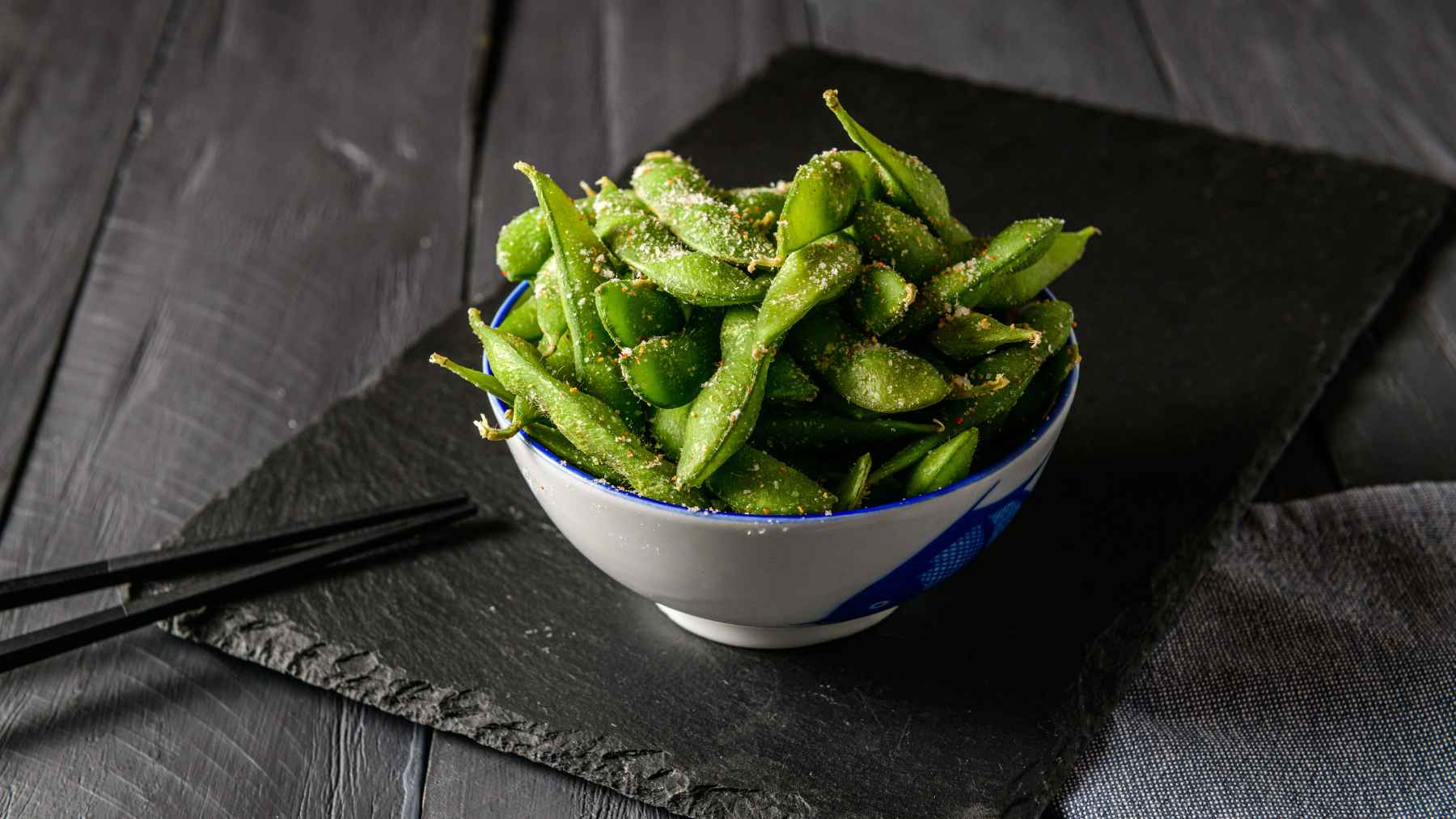
Kimchi, chia seeds, turmeric, berries, and yogurt often appear on lists of foods said to calm inflammation. But can one grocery list really steer something as complicated as the immune system?
The evidence points to a less flashy answer. A plant-forward Mediterranean eating pattern may improve some signs of inflammation, while weight loss and targeted nutrition can help certain patients, but no single food works like an off switch.
Inflammation is not always harmful
“Not every inflammation in our body is bad,” says Stefan Kabisch, a metabolic medicine specialist at Charité Berlin. Short-term inflammation is part of the body’s defense system, helping it find and remove germs or respond to an injury.
The problem begins when that response stays active. Long-lasting inflammation can occur in autoimmune diseases, where the immune system attacks the body’s own tissues, and in obesity, where abdominal fat can send out inflammatory signals that affect other organs.
The label has real limits
Hans Hauner, a senior professor of nutritional medicine at the Else Kröner-Fresenius Foundation in Munich, offers a blunt warning. He calls the anti-inflammatory diet “more of a marketing term” because there is no single, agreed definition.
That does not mean food is irrelevant. It means the right approach depends on the problem, since rheumatoid arthritis, autoimmune thyroid disease, obesity, and multiple sclerosis do not create inflammation in the same way. One universal menu would be convenient, but biology is rarely that tidy.
The Mediterranean pattern leads
The clearest evidence supports a broad Mediterranean-style pattern rather than one “superfood.” A 2025 review of 33 randomized trials involving 3,476 adults found improvements in several commonly measured signs of inflammation, although other markers did not change significantly.
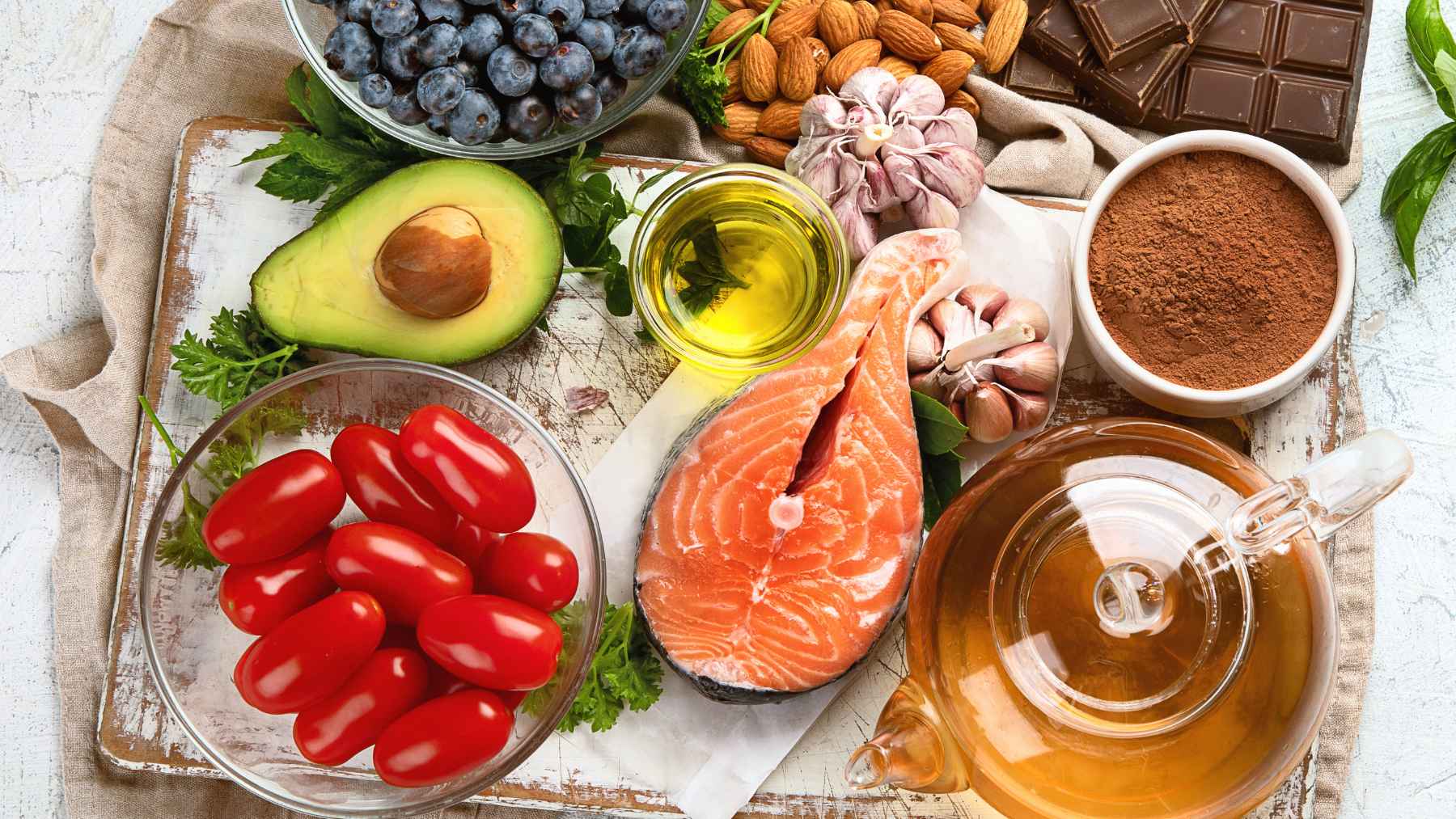
In practical terms, that means more vegetables, fruit, beans, whole grains, nuts, olive oil, and fish. It also means fewer meals built around processed meat, red meat, or high-fat dairy, not a daily spoonful of an expensive powder that promises to fix everything.
Some patients may gain more
For people with obesity, reducing inflammatory abdominal fat may matter more than chasing isolated ingredients. A diet rich in fiber and the fats found in fish, nuts, and olive oil can support that effort, but the larger goal is a sustainable reduction in excess fat tissue.
Gernot Keyßer, a rheumatologist at University Hospital Halle, says nutrition may also help in rheumatic disease, especially rheumatoid arthritis.
A review of seven trials involving 326 people found lower pain with several potentially anti-inflammatory diets, but the authors rated the evidence very uncertain because the studies were small and vulnerable to bias.
Fermented foods show promise
Yogurt, kefir, kimchi, and other fermented foods may influence the community of microbes living in the gut.
In a Stanford Medicine trial, 36 healthy adults followed either a fermented-food or high-fiber diet for 10 weeks, and the fermented-food group showed greater microbial diversity and lower levels of 19 inflammatory proteins.
Promising? Yes, but the study was small and did not prove that fermented foods treat an inflammatory disease. It does suggest that plain yogurt or kefir can be reasonable everyday choices without turning the refrigerator into a supplement shelf.
Local foods beat pricey superfoods
There is little reason to believe relief must arrive in an exotic package. Blueberries, currants, onions, parsley, nuts, and oily fish can provide fiber, vitamins, plant compounds, and helpful fats without the premium price attached to many imported “wellness” products.
Turmeric and chia seeds can still fit into a healthy diet. But they do not earn special status simply because they trend online, and the experts saw no need for costly supplements when ordinary foods can supply the same broad categories of nutrients.
Food supports treatment
Diet may complement medical care for rheumatoid arthritis and other inflammatory conditions, but it should not replace prescribed treatment.
The wide range of autoimmune diseases also means that advice should be individualized, especially when symptoms, medications, food allergies, or weight changes complicate the picture.
That is where a trained physician or registered dietitian comes in. A person with an established disease needs a plan built around that condition, not a generic blacklist copied from social media.
What this means for dinner
A practical plate does not need a forbidden-food chart. Build most meals around vegetables, beans or whole grains, add fish or a modest portion of another protein, use nuts or olive oil for fat, and include fruit or fermented dairy when it suits you.
Consistency matters more than perfection. An anti-inflammatory eating pattern may influence the conditions in which the immune system works, but it is not a cure, and the strongest evidence still favors ordinary foods eaten regularly over miracle ingredients.
The original report was published by BR24.