We have all felt our stomachs twist before an exam, a job interview, or a difficult conversation. That familiar rush is not just in our heads. Our brains and digestive systems exchange signals constantly, and the microbes occupying the gut are part of that two-way conversation.
A December 2025 study led by Francesco Asnicar at the University of Trento in cooperation with King’s College London and ZOE, examined 34,694 adults in the United States and United Kingdom.
It found consistent links between diet quality, heart and metabolic health indicators, and particular gut species, but it did not demonstrate that those microbes led to better or worse health. Food, the body, and the microbiome are closely linked, though the chain of cause and effect remains unsettled.
Eating and nutrition work differently
Eating is the voluntary act of choosing and consuming food. Nutrition begins afterward, when the digestive system goes to work and the body’s cells absorb and use its nutrients.
The gut microbiota is the community of bacteria, viruses, fungi, and other microorganisms residing mainly in the intestines, while the word ‘microbiome’ usually comprises their genetic material and surroundings.
A widely cited revised estimate estimates the number of bacterial cells in a typical 154-lb. adult man at around 38 trillion. The same analysis puts the weight of those bacteria at about 7 oz., well below the several pounds often listed in popular summaries.
Diet can have knock-on effects far beyond an upset stomach. A global analysis in The Lancet estimated that poor diet contributed to 11 million deaths in 2017, around one in five worldwide, with high sodium and low intake of whole grains and fruit topping the list of leading risks. What is missing from the plate can matter more than what is heaped onto it.
Your microbial community is personal
The gut microbiota takes shape rapidly around birth and changes quickly in the first years of life. Baby delivery mode can influence the early mix, as can feeding, antibiotics, and the surrounding environment. It is a busy construction period with an unfinished blueprint.
By adulthood, the community becomes highly individual. Diet, prescription drugs, physical activity, age, genetics, and even the metabolic speed through the gut can affect its composition. No two gut ecosystems are identical, and there is no identified species list that guarantees good health.
In 2021, Adriel Latorre-Pérez and the Spanish Microbiome Project analyzed stool samples from 530 healthy adults. The researchers found correlations between microbial patterns and age, body size, sex, and food choices, including markers associated with vegetables and nuts common in a Mediterranean diet.
Why stress can trigger diarrhea
Stress kickstarts the body’s fight-or-flight response. That can change intestinal movement, secretion, blood flow, and sensitivity, helping explain why exam butterflies sometimes lead to cramps or an urgent trip to the bathroom.
When stress, poor sleep quality, abrupt diet changes, or medications disturb the gut ecosystem, researchers may describe the shift as dysbiosis, a broad term meaning an altered microbial pattern. Researchers still have not found one universal definition of a healthy microbiome, so dysbiosis cannot be pinned on one “bad” bacterium.
Altered microbiomes have been reported in digestive, metabolic, immune, cardiovascular, respiratory, and neurological diseases, but the direction often is still unclear. Microbial changes may contribute to illness, result from illness, or reflect factors such as diet and medication.
Mood links need careful reading
A 2019 Nature Microbiology study examined more than 2,000 people across several cohorts and found that Coprococcus and Dialister levels were low in participants with depression, even after accounting for antidepressants.
As Jeroen Raes of KU Leuven put it, “The link between gut flora and mental health is a controversial topic in microbiome research.”
Autism offers a warning against knee-jerk conclusions. A 2021 Cell study of 247 children, corrected in 2024, found little direct association after accounting for other factors and suggested that restricted food preferences (common in autistic people) could reduce diet diversity and then microbial diversity.
In other words, a different microbiome may be a consequence rather than a cause.
Analyses of Alzheimer’s disease have also found variations in gut microbial diversity and composition. Results vary across populations, however, and the biological pathway is not settled. The gut-brain axis is a complex (and relatively young) field of research, with no proof that changing gut bacteria can prevent or cure dementia.
Food remains the practical lever
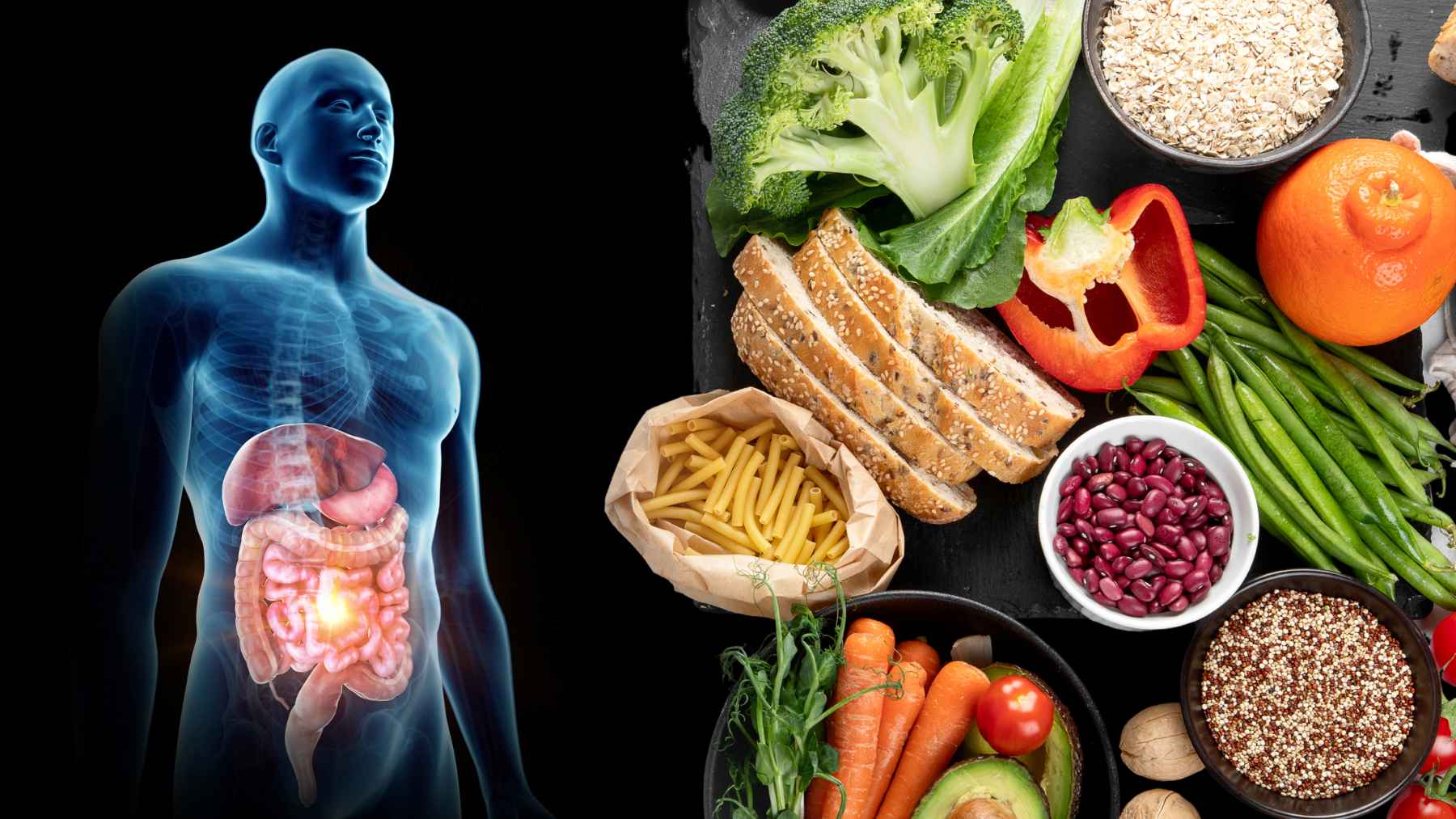
So, what advice can be agreed on? The best-supported steps are ordinary ones such as eating more vegetables, fruit, whole grains, legumes, nuts, and seeds while cutting excess sodium, sugary drinks, and trans fats. Fiber gives many gut microbes material they can ferment into compounds that help fuel colon cells.
The large analysis found that dietary interventions could predictably shift some gut species, but responses varied and no universal healthy profile emerged. That is why scientists are cautious about turning a stool sample into a simple health score.
At the end of the day, gut health is less about chasing one “good” bacterium and more about supporting a resilient ecosystem through balanced everyday habits. That is also the message emphasized by Luis Collado Yurrita of Complutense University of Madrid in the explanatory work that informed this article.
The main study discussed here has been published in Nature.