Skip to content
Menu
Nutrition
Health
Sports
Cosmetics
Psychology
ES
Psychology
Marcus Aurelius: the happiness of your life depends on the quality of your thoughts, because your mind takes the shape of what you think about
By
Metabolic
—
August 10, 2026 at 6:00 PM
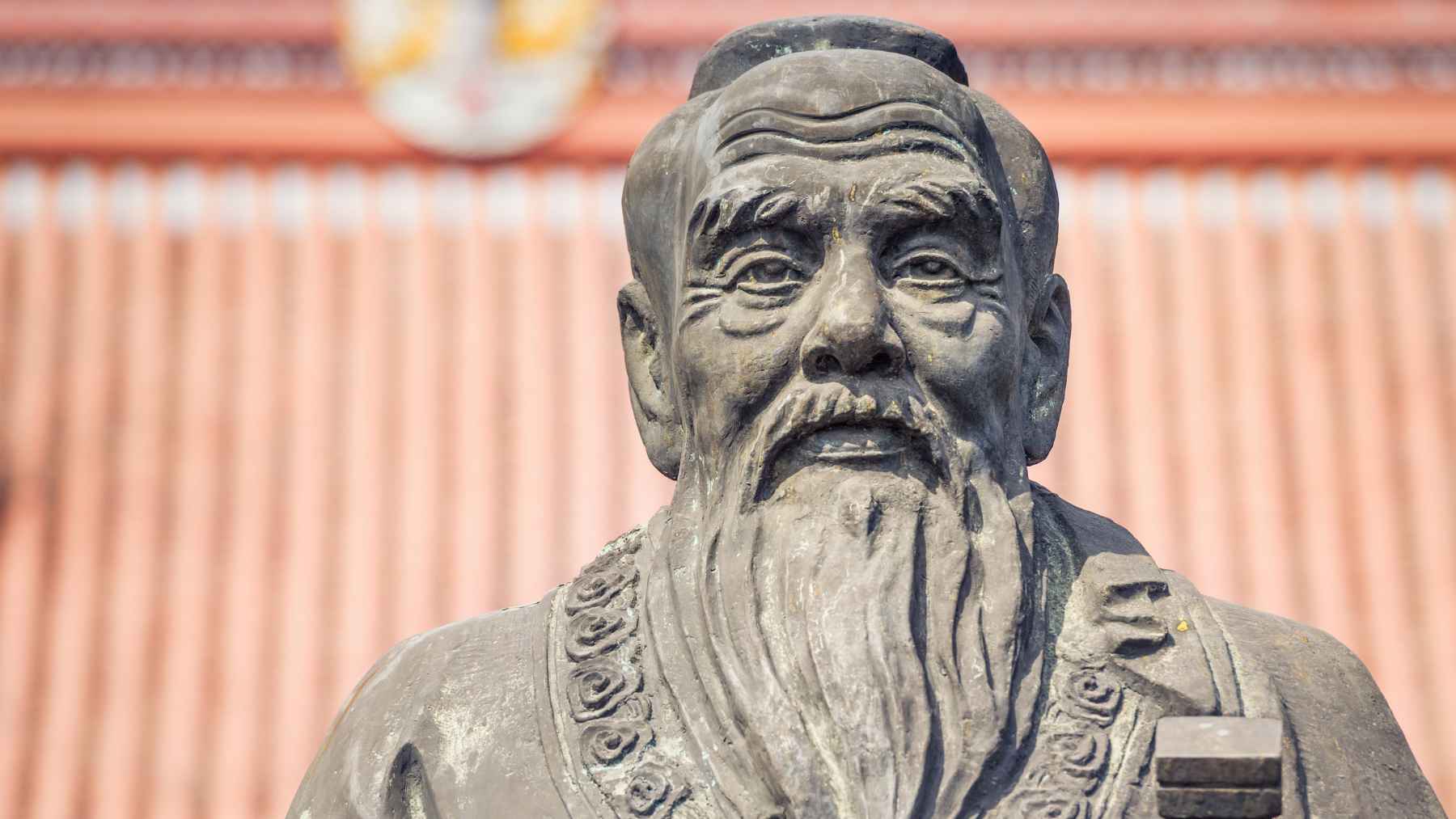
Confucius: we have two lives, and the second one starts the day we understand we only have one
By
Sonia Ramirez
—
August 10, 2026 at 12:30 PM
Seneca on happiness: when a man does not know which port he is sailing to, no wind is the right wind
By
Adrian Villellas
—
August 9, 2026 at 3:45 PM
John Locke: You learn more from the questions of a child than from the speeches of a grown man, and that applies to every meeting you sit in
By
Sonia Ramirez
—
August 9, 2026 at 12:30 PM
Gabriel Garcia Marquez on life: it is nothing but a continuous run of chances to survive, and that is why people keep quoting it
By
Metabolic
—
August 8, 2026 at 3:45 PM
Dale Carnegie: when you deal with people, remember you are not dealing with rational beings, but with emotional ones
By
Sonia Ramirez
—
August 8, 2026 at 10:35 AM
Arnold Schwarzenegger: just remember, you cannot climb the ladder of success with something, and what he names is not talent
By
Metabolic
—
August 8, 2026 at 6:00 AM
Mahatma Gandhi: happiness arrives when what you think, what you say and what you do are in harmony, and none of it depends on being recognised
By
Sonia Ramirez
—
August 7, 2026 at 12:30 PM
A Greek proverb warns that it is not good for all our wishes to come true, because illness is what teaches us the value of health
By
Sonia Ramirez
—
August 6, 2026 at 12:30 PM
An African proverb says that when the roots are deep, the tree has no reason to fear the wind, and psychology gave that idea a name
By
Adrian Villellas
—
August 6, 2026 at 6:00 AM
Confucius on learning: if I walk with two men, each of them will be my teacher, and I will take the virtues of one and correct the other
By
Sonia Ramirez
—
August 5, 2026 at 10:35 AM
“The water is muddy at first, but later it becomes clear”: the Chinese proverb about drilling a well explains why your confusion at the start of a hard problem is not failure
By
Sonia Ramirez
—
August 2, 2026 at 6:00 PM
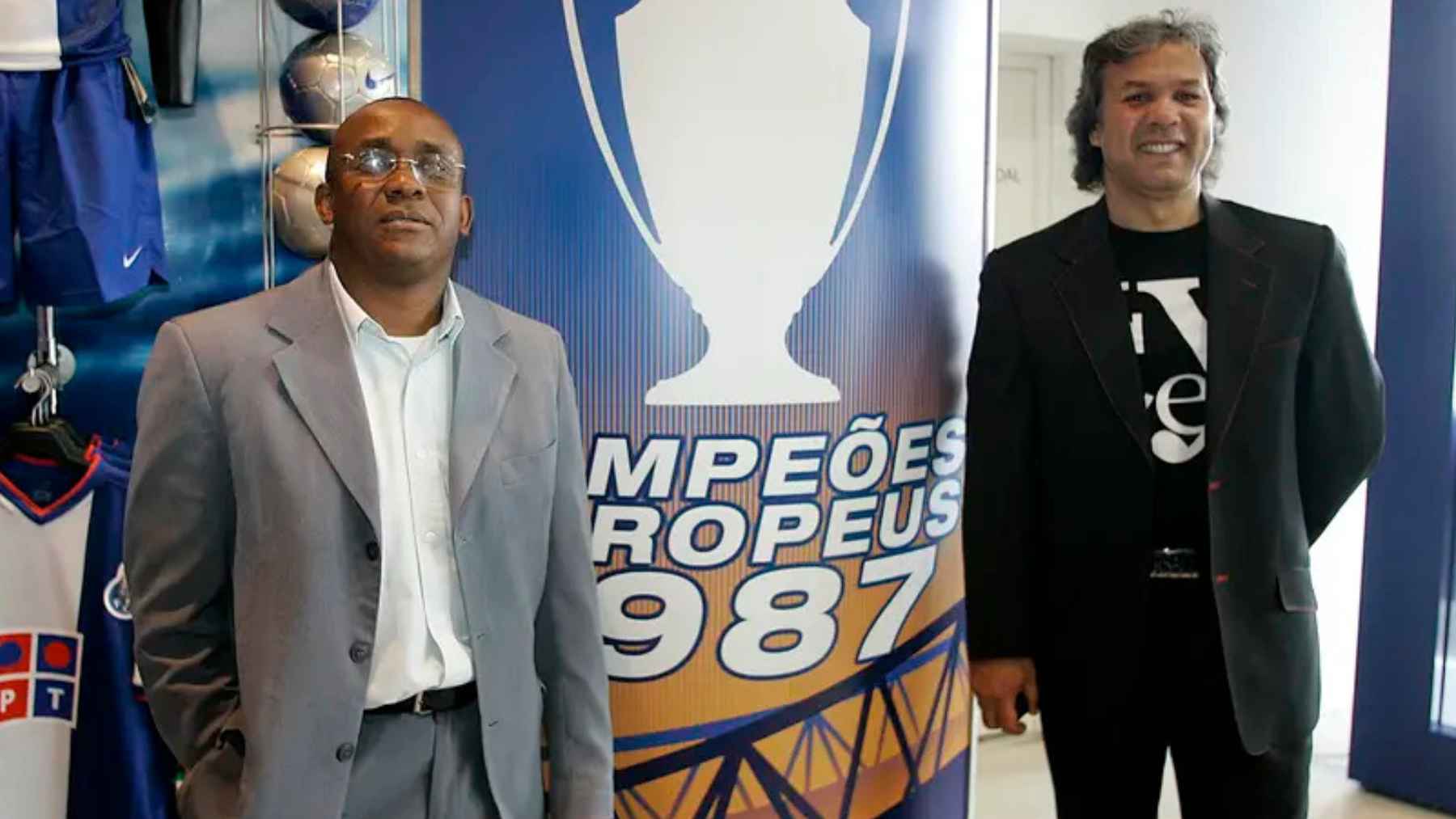
He went from European champion to driving for a living after depression hit him, until his wife gave him one quiet piece of advice
By
Metabolic
—
July 30, 2026 at 12:35 PM
He’s 74, discovered fingerboarding during lockdown thanks to his son, and now millions watch him: how a pandemic hobby made him a beloved star
By
Sonia Ramirez
—
July 30, 2026 at 6:00 AM
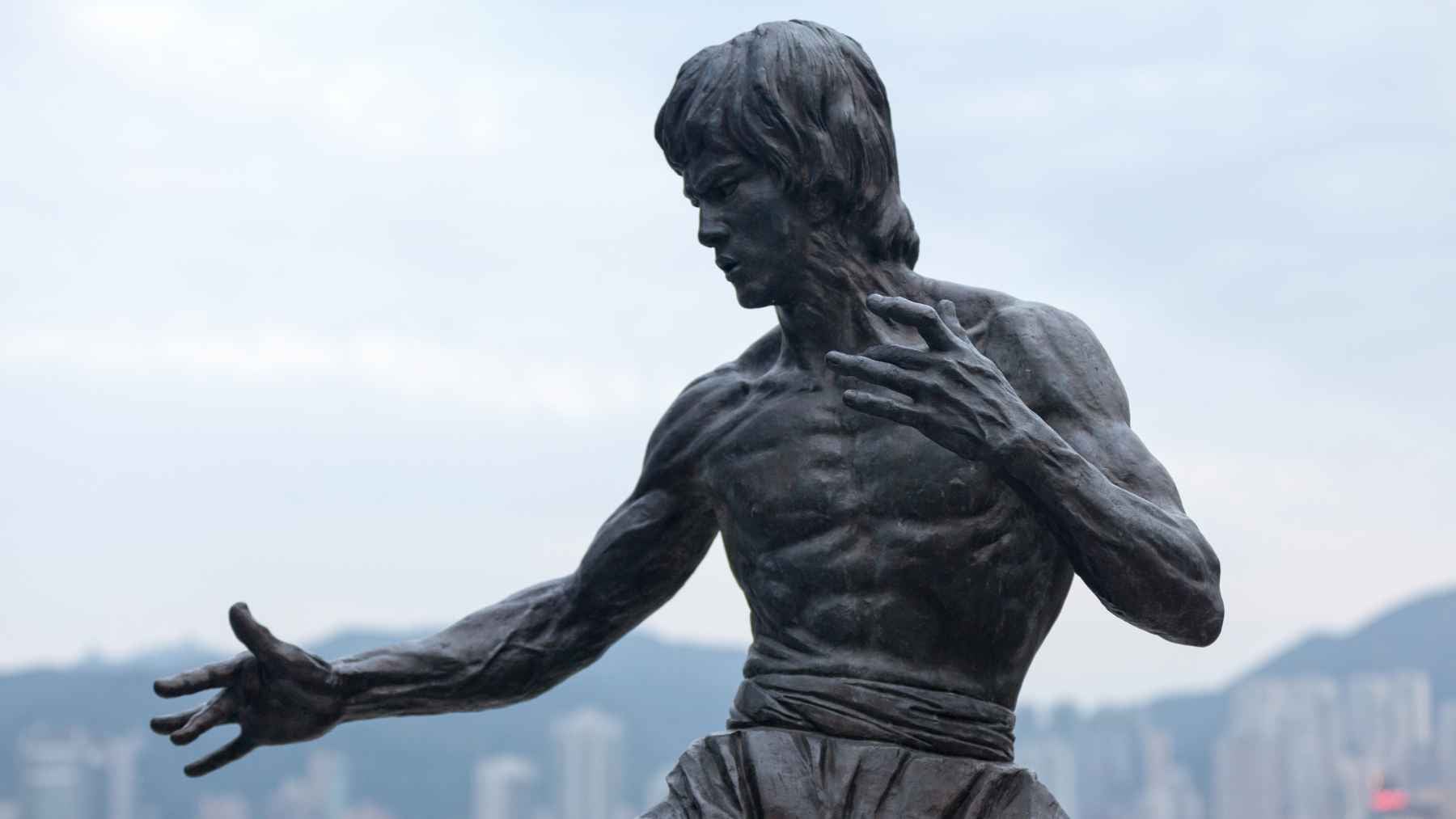
Bruce Lee said he never feared the man who practiced 10,000 kicks once: the man he did fear says everything about focus
By
Adrian Villellas
—
July 29, 2026 at 1:45 PM
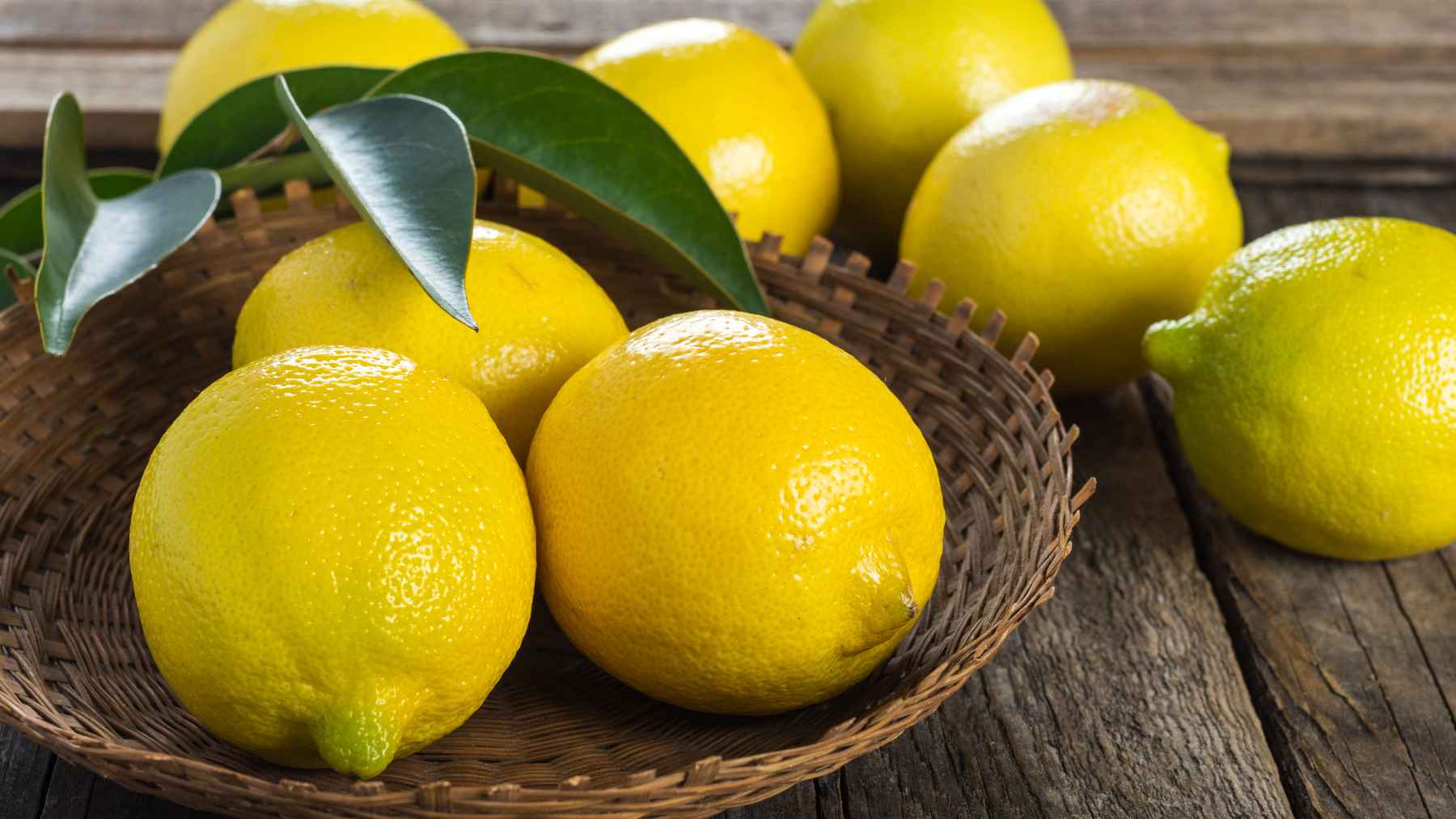
Boiling lemon peels with bay leaves at home costs almost nothing: the everyday reasons people keep this cheap habit going
By
Adrian Villellas
—
July 29, 2026 at 7:45 AM
Where you live could quietly shape your fertility: northern men’s sperm quality appears to double that of the south, and few know why
By
Adrian Villellas
—
July 28, 2026 at 12:30 PM
Polo Guerrero, physician, on falling asleep fast: “the 4-7-8 breathing technique helps reduce anxiety and induces sleep”
By
Adrian Villellas
—
July 28, 2026 at 6:00 AM
A pediatric oncologist who has examined 200,000 children says the same thing happens to every family when a child gets cancer
By
Adrian Villellas
—
July 27, 2026 at 1:45 PM
Psychology says the way you sign your initials quietly exposes your self-esteem, your ambitions, even secrets you never meant to reveal
By
Metabolic
—
July 26, 2026 at 1:45 PM
1
2
3
4
…
41
Next
Latest Post
A fecal transplant improved sleep in people who could not rest, and what that says about your gut is bigger than the study
Published On: August 10, 2026 at 3:45 PM
Vitamin K switches on the proteins that keep your arteries from hardening, and the foods carrying it are not the ones on the supplement shelf
Published On: August 10, 2026 at 1:45 PM
Confucius: we have two lives, and the second one starts the day we understand we only have one
Published On: August 10, 2026 at 12:30 PM
Miguel Indurain, cyclist, 62: in the nineties we ate bananas, little cakes and sandwiches on the Tour, there was no science
Published On: August 10, 2026 at 10:35 AM
Danni was diagnosed with bowel cancer at 39, and it made her rethink everything she ate as a child
Published On: August 10, 2026 at 7:45 AM
One vegetable carries more protein than an egg and helps your muscles, and it costs a fraction of what meat does
Published On: August 10, 2026 at 6:00 AM
Seneca on happiness: when a man does not know which port he is sailing to, no wind is the right wind
Published On: August 9, 2026 at 3:45 PM
Franco Berrino warns about the deadly quartet of metabolic syndrome: if you carry belly fat, your risk of diabetes and infarction climbs
Published On: August 9, 2026 at 1:45 PM
Nutrition
Health
Sports
Cosmetics
Psychology
ES
Close