






Psychology
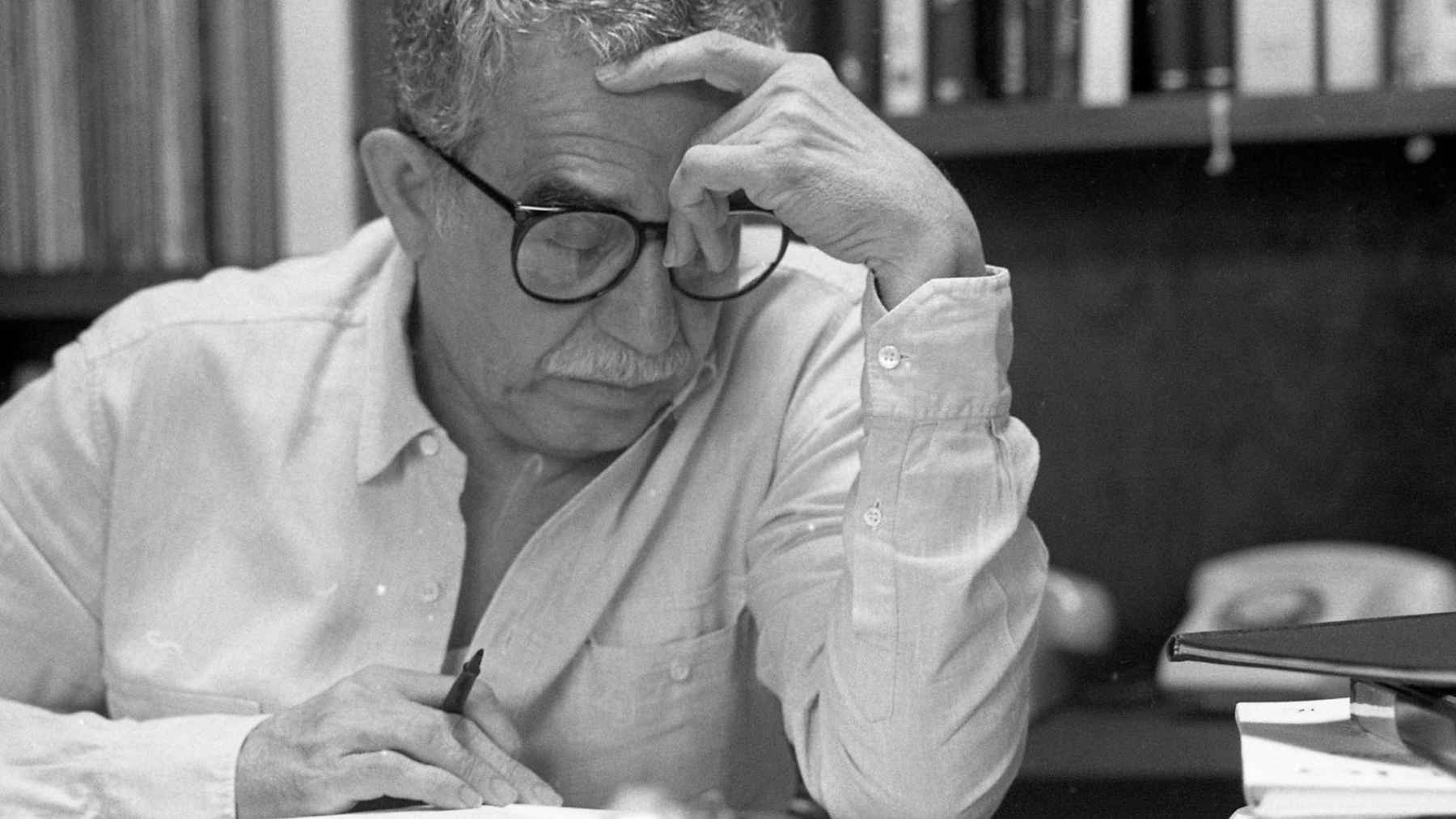
Plato, Greek philosopher: “Poverty does not stem from a decrease in wealth, but from an increase in desires”
Psychology suggests that people who walk while looking at the ground aren’t necessarily shy or insecure; they often have to deal with divided attention, social discomfort, or a very practical need to maintain their balance in an environment full of obstacles
Stephen Hawking, scientist: “Quiet and reserved people are the ones with the strongest and most active minds”
Psychological test: choose your favorite waterfall and find out if you’re more passionate than average
Psychology suggests that going out without makeup may be less about personality and more of a response to a culture that forces too many women to choose between feeling comfortable in their own skin and continuing to conform to a visual standard of competition and acceptance
Psychology suggests that many people don’t feel like failures because they actually fail more than others, but because they constantly compare themselves to a version of the world where mistakes are rarely shown and where other people’s setbacks disappear before they become part of the story
In the 1970s, children drank straight from the hose and walked home alone before dinner; all of that seemed like an improvement in modern parenting until new data began to reveal something that no one had noticed
“You’re in charge of the group”… and, deep down, you’re on high alert: a Spanish psychologist goes viral on TikTok with “3 traits” that mask anxiety… and the first one (being too hard on yourself) affects more people than you might imagine
Psychology suggests that people do not adopt an office habit, a way of greeting others, or a group norm simply because they have seen it once or because they have rationally decided to do so; they tend to explore different options until a pattern seems stable enough for them to stop hesitating and start following it
Psychology suggests that, for many teenagers, the real protective factor lies not so much in turning off the app as in having strong friendships outside of the screen, because the quality of those relationships seems to matter more for their well-being than the exact number of hours spent using it
Most people don’t realize that the apparent “disinterest” of many older adults isn’t always apathy or indifference; it’s often a more selective approach to life, in which time is valued more highly and pointless arguments no longer seem like a worthwhile investment
Psychology suggests that turning 60 doesn’t mean a person’s personality is set in stone; with the right practice, some older adults can become more composed under pressure and more open in social situations than they ever imagined
Psychology suggests that the anxiety many people feel about an uncertain future stems not only from what might go wrong, but also from a mind that has learned to treat the lack of answers as a threat that must be addressed immediately
Psychology suggests that adults who don’t have close friends aren’t necessarily cold, antisocial, or indifferent; in many cases, they have built such a sheltered emotional life that closeness begins to seem less like a comfort and more like a threat
Psychology tells us that the small acts of kindness that seem to go unnoticed in hallways, offices, homes, or supermarket checkout lines aren’t as insignificant as they appear; they may also be influencing how the person offering help perceives their own happiness
Psychology tells us that people who feel lonely even when surrounded by others aren’t exaggerating or being ungrateful; they often experience a more subtle form of disconnection in which no one seems to connect with their true self