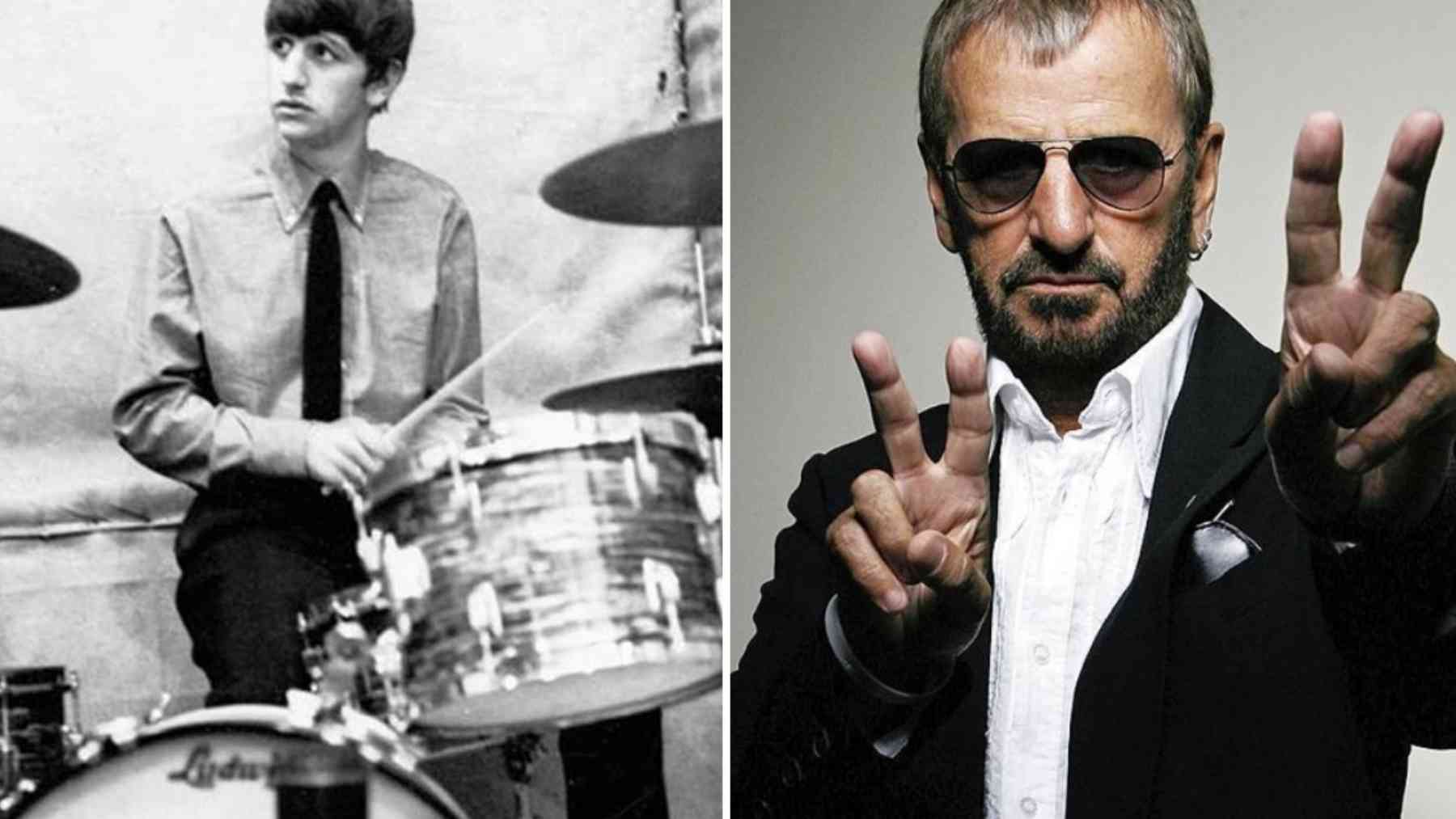
Ringo Starr’s latest life quote is simple, but it lands because almost everyone has felt the same thing at some point. Growing older does not remove stress, family problems, health worries, or regret, but it can change the way people respond to them.
The former Beatles drummer is being highlighted for a line about aging, patience, and self-discovery, saying that “the older I get, the more I’m learning to handle life.” It is not medical advice, of course, but research on healthy aging suggests there is real value in the idea that experience can sharpen emotional balance over time.
A quote about getting older
Starr’s words point to something more grounded than celebrity wisdom. They suggest that life is not solved all at once, but learned in pieces, through the ordinary mess of mistakes, recoveries, relationships, and second chances.
That message fits his own story. Born Richard Starkey in Liverpool on July 7, 1940, Starr faced serious illness as a child, including a year in the hospital after complications from a burst appendix and two more years in a sanatorium after pleurisy, where he was introduced to drums by a health worker.
What could have been only a painful chapter became part of his musical path. His official biography says that by age 13, he remembered wanting only “to be a drummer,” and in 1962 he officially joined John Lennon, Paul McCartney, and George Harrison in The Beatles.
Why age can change stress
Science does not say that older adults have easy lives. But it does suggest that many people become less reactive to everyday stress as they age, which may be what Starr is getting at in everyday language.
A Penn State study using data from more than 3,000 adults across more than 40,000 days found that daily stressors and emotional reactions to them tended to decline with age. In that study, 25-year-olds reported stressors on nearly 50 percent of days, while 70-year-olds reported them on about 30 percent of days.
That is a big difference when you think about real life. The unanswered email, the traffic jam, the tense phone call, the tiny thing that ruins a morning may not disappear, but the nervous system can learn not to treat every problem like an emergency.
Finding yourself is health work
When Starr talks about “finding yourself,” it may sound poetic, but in wellness terms it connects to self-awareness. Knowing what drains you, what calms you, and what keeps pulling you into the same patterns is part of emotional health.
The Harvard Study of Adult Development has followed people for decades and found that close relationships, more than money or fame, are strongly tied to happiness and long-term health. Harvard researchers have also pointed to mature coping skills, physical activity, healthy weight, and avoiding smoking and alcohol abuse as factors linked with healthier aging.
In practical terms, that means self-discovery is not just something that happens during a quiet retreat. It can happen when someone finally notices that they sleep better after a walk, feel calmer after calling a friend, or recover faster when they stop replaying every awkward conversation.
The important caveat
Still, aging is not a guaranteed shield against mental health struggles. The World Health Organization says that by 2030, one in six people worldwide will be age 60 or older, and about 14.1 percent of adults age 70 and older live with a mental disorder.
Loneliness and social isolation are major concerns in later life, and WHO notes that they affect about a quarter of older people. That matters because the calm that comes with age is easier to maintain when people have support, purpose, and safe places to ask for help.
So, no, the lesson is not to simply wait for wisdom to arrive. The healthier reading is that experience helps most when it is paired with connection, movement, rest, and the willingness to talk when life feels heavier than usual.
Small habits that make it real
The CDC says stress can affect emotions, sleep, concentration, appetite, energy, and even physical symptoms such as headaches or stomach problems. It also recommends small coping steps such as taking breaks from upsetting news, making time to unwind, breathing deeply, journaling, spending time outdoors, and practicing gratitude.
Those habits are not glamorous. But they are the kind of steady tools that make a quote about “handling life” feel less like a slogan and more like a daily practice.
A useful starting point is simple. At the end of the day, ask what actually helped, what made things worse, and what can be done differently tomorrow.
Ringo’s long road
Starr’s own career gives the quote extra weight because he has kept working, adapting, and returning to music across decades. Britannica notes that after The Beatles broke up in 1970, he released solo albums, acted in films, formed the All-Starr Band, and continued putting out music, including the 2025 country album “Look Up.”
His official website said “Look Up” was released on January 10, 2025, produced and co-written by T Bone Burnett, and marked Starr’s first country album in more than 50 years. That detail matters because it shows the other side of aging well, which is not just looking back, but staying open to new chapters.
The official statement was published on Ringo Starr’s official website.