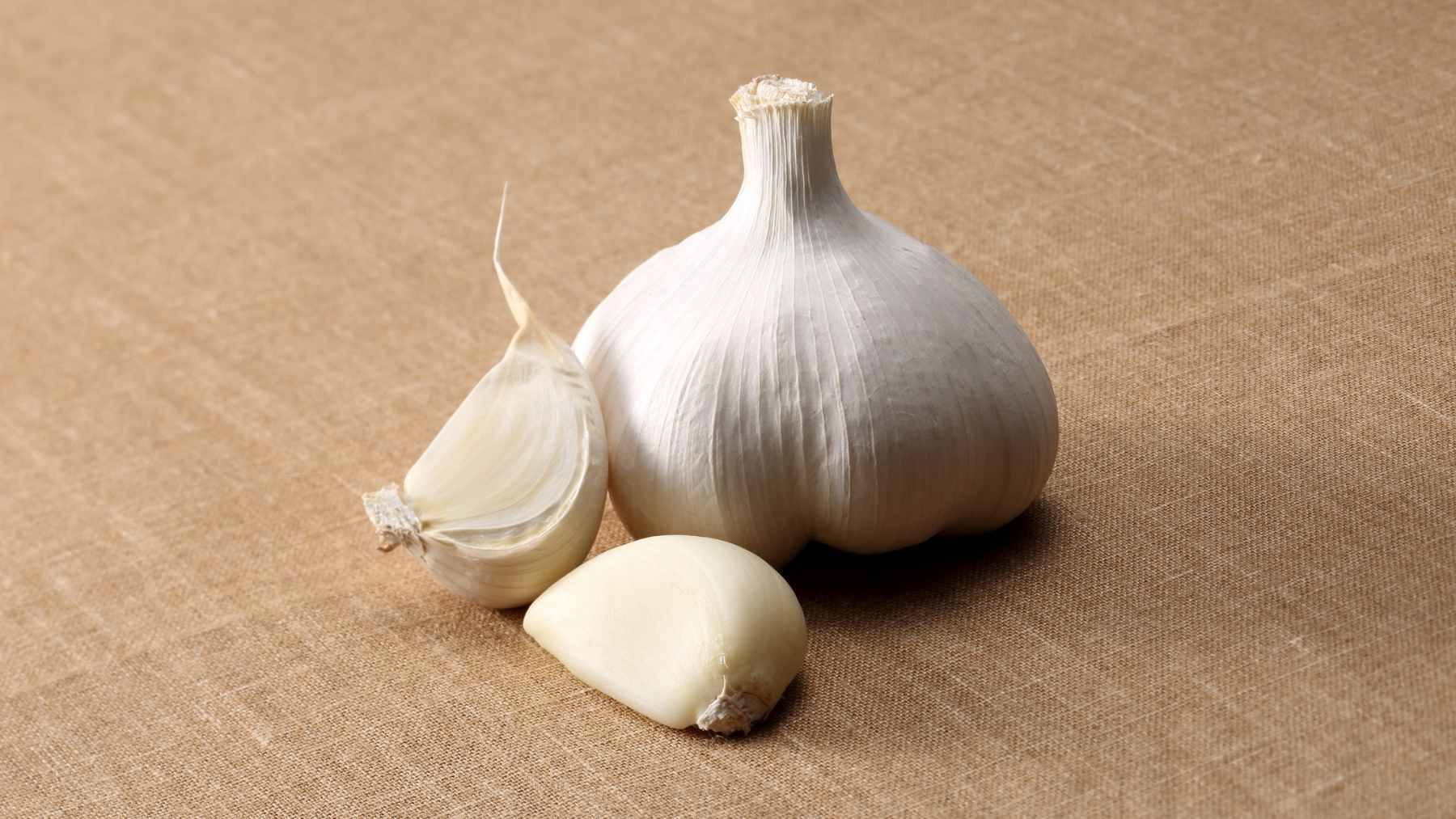
Garlic has earned its healthy reputation, and for good reason. It contains compounds linked to anti-inflammatory effects, and many people reach for it when cold and flu season rolls around.
But a Health.com guide by Carrie Madormo, RN, MPH, medically reviewed by Kayla Girgen, RD, points to five everyday foods that may give the immune system broader nutritional support than garlic alone.
The bigger lesson is simple. Your immune system is not powered by one “superfood.” It depends on a steady mix of vitamins, minerals, fiber, healthy fats, protein, sleep, movement, and other daily habits.
The CDC says eating well is one of the routines that can help support immunity, but it also warns that immune systems are complex and influenced by many factors.
Garlic is useful, but not magic
Garlic can be part of a healthy diet, but it should not carry the whole burden. Think of it less like a shield and more like one tool in a kitchen drawer.
The National Institutes of Health Office of Dietary Supplements notes that the immune system needs several nutrients to work properly, including vitamins A, C, D, E, and K, along with minerals such as zinc and selenium. For most people, a varied diet is still the main place to get them.
Citrus keeps vitamin C easy
Oranges, grapefruits, lemons, and limes are familiar for a reason. They are easy sources of vitamin C, a nutrient that helps the body’s immune function and also works as an antioxidant, which means it helps limit cell damage.
The NIH says fruits and vegetables are the best sources of vitamin C, with citrus fruits and peppers among the most important everyday options. That does not mean orange juice cures a cold overnight.
Still, it explains why citrus remains a smart, low-effort choice when you are trying to eat for immune health.
Bell peppers pack a surprise
Bell peppers may be less famous than oranges, but they deserve a spot near the top of the list. Raw red bell peppers can provide more vitamin C in a standard half-cup serving than a medium orange.
Red bell peppers also contain beta-carotene, which the body can turn into vitamin A. That matters because vitamin A helps maintain normal immune function. Add sliced peppers to eggs, tacos, salads, or hummus, and suddenly the snack plate is doing more work than it seems.
Yogurt brings in the gut
Yogurt adds a different kind of immune support because it can contain probiotics. These are live microorganisms that may help maintain a healthier balance of microbes in the gut.
The National Center for Complementary and Integrative Health says probiotics are found in yogurt and other fermented foods, and they may influence the body’s immune response.
Stanford Medicine also reported that a 10-week fermented-food diet study involving 36 healthy adults increased gut microbe diversity and lowered several inflammatory markers. Justin Sonnenburg called the result “a stunning finding.”
Leafy greens feed defenses
Kale, spinach, and Swiss chard are not flashy foods. But they bring together vitamins A, C, and K, plus antioxidants and fiber, all in one place.
That fiber matters because the gut is closely tied to immune activity. In practical terms, a spinach smoothie, a kale salad, or a handful of greens stirred into soup can help turn an ordinary meal into something more protective.
The CDC also advises aiming for a variety of colors on the plate, including dark leafy greens.
Fatty fish adds healthy fats
Salmon, mackerel, sardines, and similar fish are rich in omega-3 fatty acids. These fats are linked to cell health and lower inflammation, which is one reason fatty fish often appears in immune-supporting diet advice.
A review by Carlos O. Mendivil of Universidad de los Andes and Fundación Santa Fe de Bogotá reported in Frontiers in Nutrition that fish contains several compounds with immune-regulating properties, including omega-3 fats, and may also influence beneficial gut microbes. That does not make fish a medicine. It makes it a useful food to keep in regular rotation.
The real takeaway is variety
So, should garlic be pushed off the plate? Not at all. It can stay in soups, sauces, roasted vegetables, and marinades. The point is that garlic works best as part of a wider pattern, not as a one-ingredient fix.
A stronger immune-supporting plate might include citrus at breakfast, peppers at lunch, yogurt with fruit as a snack, greens at dinner, and fatty fish a couple of times a week. Simple enough.
And for people with allergies, immune conditions, or medical diets, a doctor or registered dietitian can help tailor the advice safely.
The main health guidance behind this article has been published by Health.com.