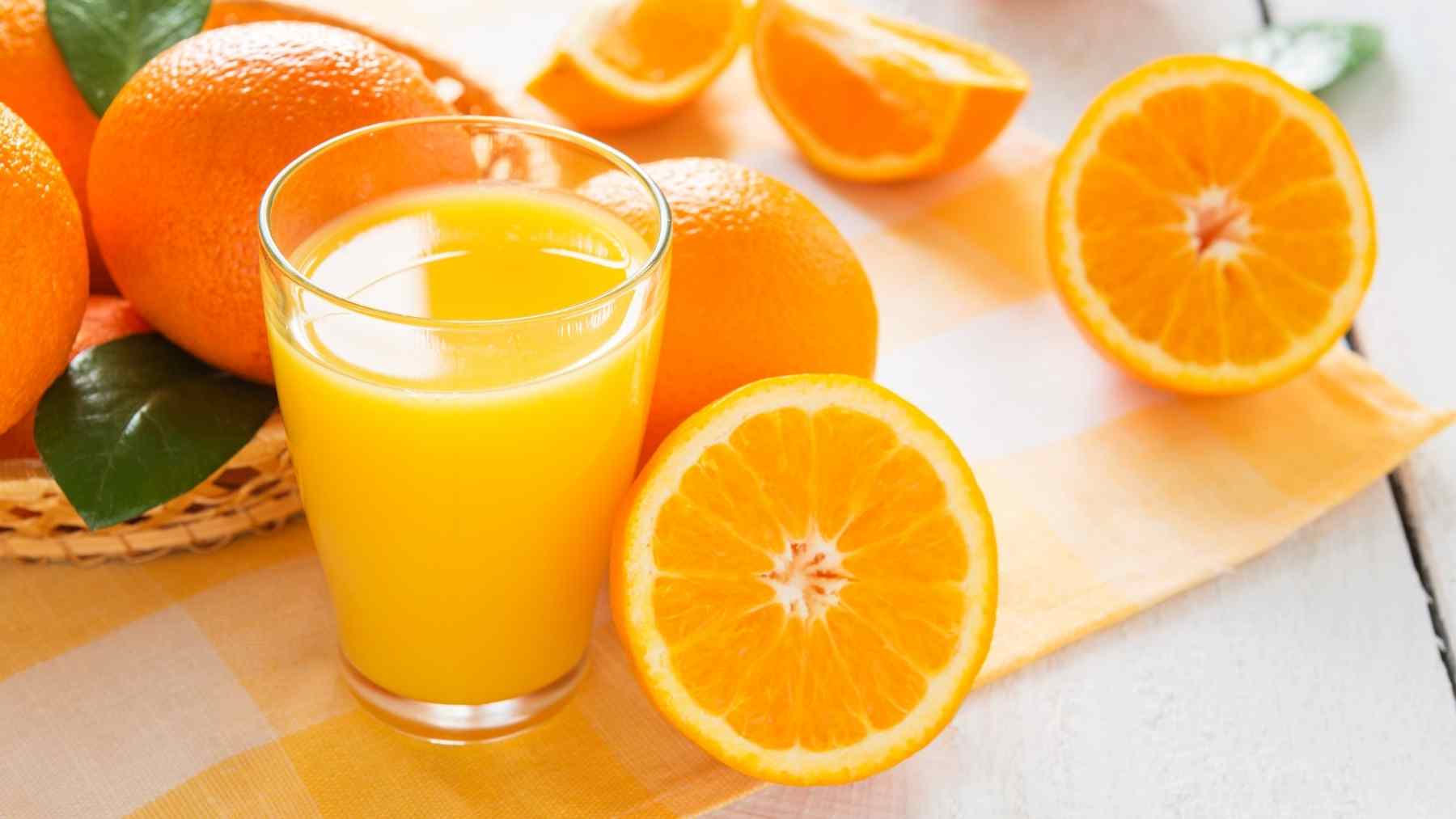
A glass of orange juice and a sugary drink can look almost identical on a nutrition label. Both may carry enough sugar to make a health-conscious person pause, especially in a world where public health agencies keep warning us to cut back on added and free sugars.
But a new trial suggests the body may not treat every sweet drink the same way. Researchers found that 100% orange juice produced a lower and slower rise in blood glucose than a sugar-matched drink with no fruit matrix among healthy young men, a finding that adds nuance to the usual “sugar is sugar” message.
Same sugar, different curve
The study compared four drinks in a randomized crossover trial conducted in Spain. Volunteers drank about 10 fluid ounces of 100% orange juice, a 50% orange juice blend, a sugar-only drink with no juice, and a glucose control solution on separate test days.
Here is the important part. The 100% orange juice and the sugar-only drink each contained about 25 grams of sugar, or roughly six teaspoons, with the same mix of glucose, fructose, and sucrose.
Still, the blood sugar curves did not look the same. Fifteen minutes after drinking, average glucose was 95.9 mg/dL with 100% orange juice, compared with 108.7 mg/dL after the no-juice sugar drink.
The peak was lower too
The maximum glucose reading also changed depending on what surrounded the sugar. The glucose control reached an average peak of 134.6 mg/dL, while the sugar-only drink reached 121.6 mg/dL.
The 100% orange juice came in lower, with an average peak of 113.8 mg/dL. Same sweetness on paper, different ride in the bloodstream.
That matters because post-meal glucose response is one way scientists assess how foods affect metabolism, even though one small study cannot answer every question. The cleaner takeaway is more modest, but still useful. Food context matters.
Why the fruit matrix matters
What is the “fruit matrix,” anyway? It is the natural package of compounds that come with the juice, including small amounts of fiber, minerals, acidity, vitamin C, and plant compounds called polyphenols.
In practical terms, that matrix may act a little like traffic control. Instead of sugar rushing into circulation all at once, some of the orange’s natural chemistry appears to slow or soften the process.
The researchers noted that 100% orange juice contained nutrients and polyphenols that were absent or present only in trace amounts in the sugar-only drink. They also wrote that the fruit matrix “attenuates postprandial glucose peaks,” meaning it blunted the post-meal blood sugar rise.
Not everyone reacted alike
This is where the study gets especially interesting. Even though the participants were young, healthy men, their bodies did not all handle the drinks in the same way.
The researchers identified lower and higher responder patterns. For some men, 100% orange juice made a clear difference compared with the sugar-only drink, while others had much smaller differences.
That does not mean people can guess their category by how they feel after breakfast. But it does point toward a bigger shift in nutrition research, away from one-size-fits-all advice and toward understanding why the same food can affect different bodies in different ways.
This is not a juice free pass
None of this turns orange juice into something people should drink without limits. Juice is still a concentrated source of sugar, and it is easier to drink a large glass than to sit down and eat several oranges.
There is also a difference between 100% juice and fruit drinks with added sugar. The CDC says sugary drinks are a leading source of added sugars in the American diet and links frequent intake with weight gain, obesity, type 2 diabetes, heart disease, cavities, and other concerns.
So what should readers do with this? For the most part, choose whole fruit when possible, keep juice portions reasonable, and look for 100% juice with no added sugar when juice is part of the meal. Simple enough.
A better breakfast question
The most practical lesson may be to stop asking whether orange juice is “good” or “bad” in isolation. A better question is what kind of juice, how much, what it replaces, and who is drinking it.
A small glass of 100% orange juice with breakfast is not the same as a giant sweetened drink grabbed on the way to work. Pairing juice with food, watching portions, and choosing water most of the time still makes sense.
At the end of the day, this study does not overthrow sugar guidance. It adds a layer that everyday eaters already sense, even if they do not use lab language for it. Food is more than a label.
The limits are important
The trial included healthy young men, so the results cannot automatically be applied to women, older adults, children, or people with insulin resistance, prediabetes, or diabetes. The authors said larger and more diverse studies are needed to validate the responder patterns and turn them into personalized advice.
That caution is not a weakness. It is exactly what keeps a useful finding from becoming a viral overpromise.
For now, the message is balanced. Orange juice sugar may behave differently from added sugar in a plain sweetened drink, but moderation still matters.
The study was published in Food & Function, a Royal Society of Chemistry journal.