Most people hear the word “nuts” and think about calories first, but the science points in a different direction.
Regular nut consumption has been linked with a lower risk of dying early, including from heart disease, especially when nuts replace less healthy snacks rather than simply being added on top of them.
For 2026, the better question is not which nut is “best” in some perfect way, it is which nut fits the job.
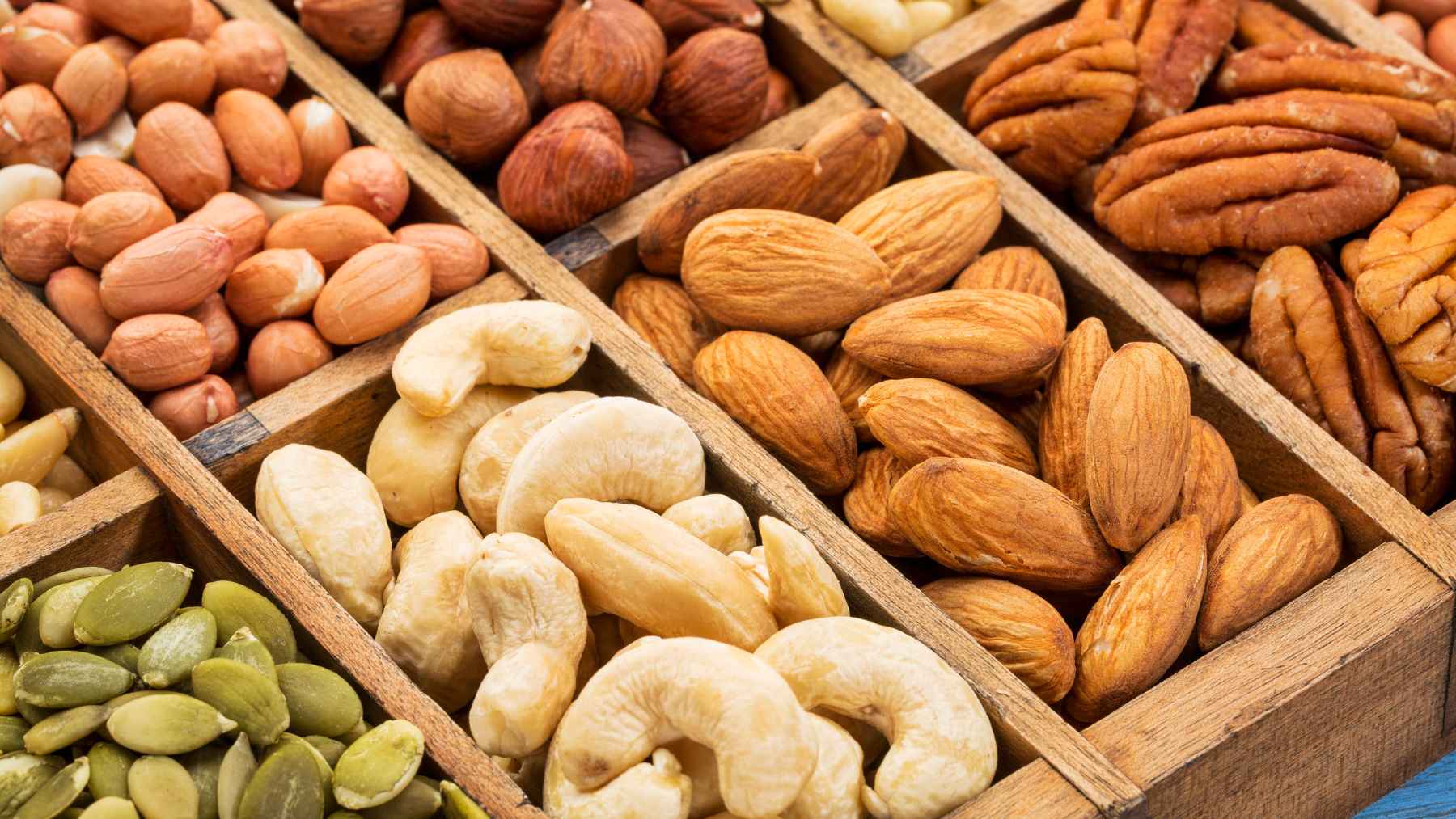
Walnuts stand out for plant omega-3 fats and brain health, pecans for heart-related blood markers, almonds and pistachios for everyday cholesterol and weight-friendly snacking, and Brazil nuts for selenium, but only in tiny amounts.
Why nuts matter
Nuts pack unsaturated fats, fiber, plant protein, minerals, and antioxidant compounds into a small serving. In practical terms, they can help support healthier cholesterol levels, better fullness after eating, and a diet that feels more satisfying without leaning on ultra-processed snacks.
That does not make them a free-for-all food. A small handful can be useful, while a large bowl in front of the TV can quickly become too much. The real win is simple: swap chips, candy, or a vending-machine snack for plain nuts most days.
Pecans move up the list
Pecans are no longer just the sweet filling in a holiday pie. A recent review led by Amandeep K. Sandhu, Indika Edirisinghe, and Britt Burton-Freeman at Illinois Institute of Technology looked at more than 20 years of research and found that pecans were tied to better blood lipid markers, including lower LDL cholesterol, often called “bad cholesterol.”
One reason may be their polyphenols, which are plant compounds that act like antioxidants. “What stands out in the research is the consistency of evidence linking pecans to markers of heart health and overall diet quality,” Burton-Freeman said.
The work was supported by the American Pecan Promotion Board, though the release states the group did not influence the findings.
Walnuts and memory
Walnuts have one distinction that sets them apart in the United States. The Food and Drug Administration has allowed a qualified health claim related to walnuts and a reduced risk of coronary heart disease, although the agency also notes that the evidence is supportive, not conclusive.
They are also rich in alpha-linolenic acid, a plant-based omega-3 fat linked with heart and metabolic health.
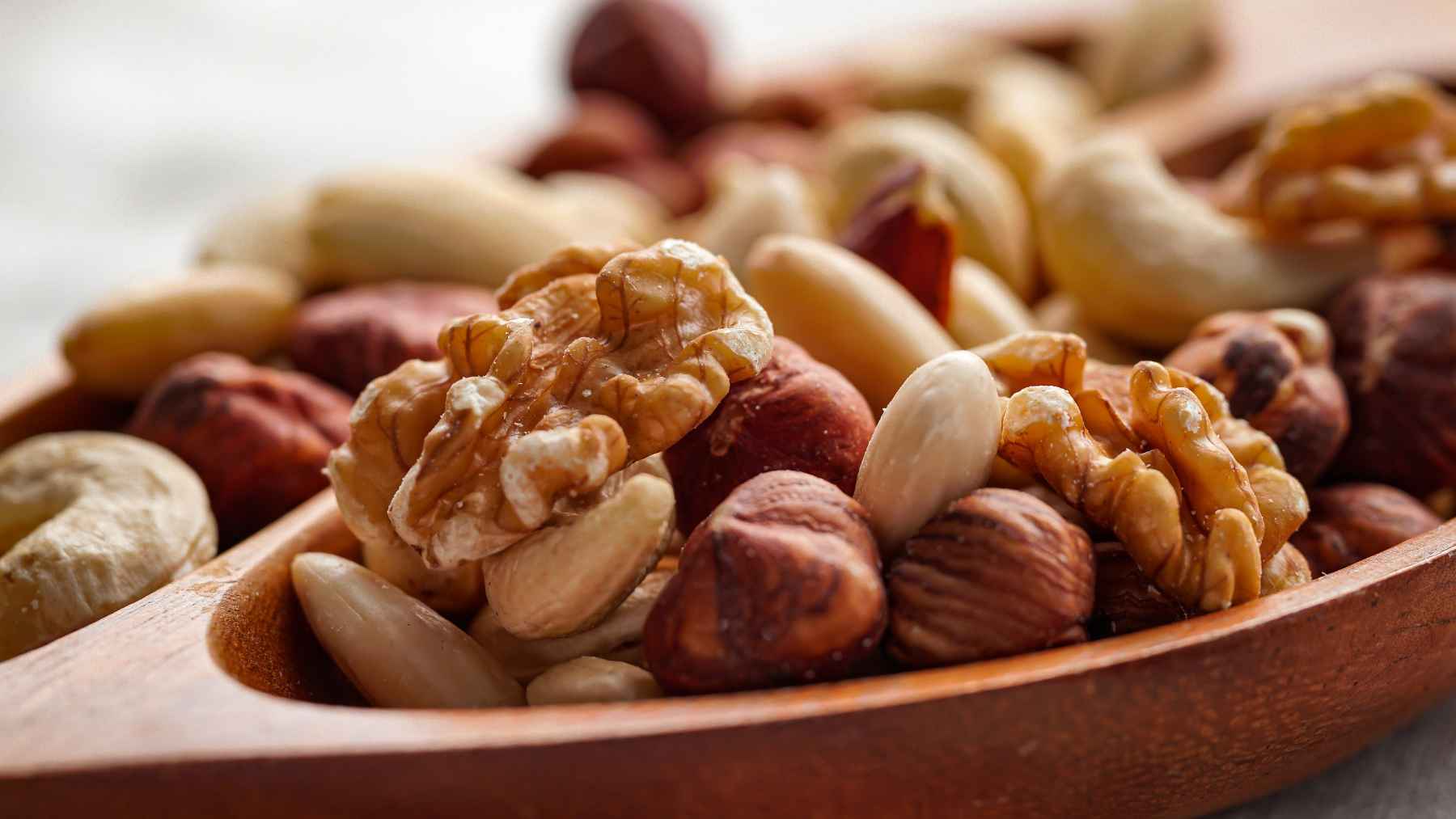
In a study led by Claire M. Williams at the University of Reading, young adults who ate about 1.8 oz. of walnuts with breakfast showed signs of faster reaction time and possible memory protection later in the day. Is that a magic brain boost? No, but it is another clue that walnuts deserve their reputation.
Almonds and pistachios
Almonds are a strong everyday choice because they bring fiber, healthy fats, and vitamin E to the plate.
A 2025 analysis of randomized trials found that almond consumption lowered LDL cholesterol and total cholesterol compared with control diets, with studied amounts generally ranging from less than an ounce to a few ounces per day.
Pistachios bring a different advantage. They offer a good share of protein for their calories, plus B vitamins, folate, antioxidants, and valine, an essential amino acid involved in muscle repair.
A review of 12 randomized trials found that pistachios helped reduce total cholesterol, LDL cholesterol, and triglycerides, though researchers said larger studies are still needed.
Brazil nuts need restraint
Brazil nuts are the powerful ones in the group, and that is exactly why they deserve caution. They come from the Amazonian tree Bertholletia excelsa and are among the richest known food sources of selenium, a mineral the body needs for antioxidant defenses and immune function.
But more is not better here. The National Institutes of Health says one Brazil nut can contain about 68 to 91 micrograms of selenium, while the adult daily upper limit is 400 micrograms. That is why one or two Brazil nuts a day is plenty for most people, and eating large amounts regularly can become risky.
How to eat them
The easiest approach is also the most realistic. Choose plain or lightly salted nuts, keep the serving small, and use them as part of meals instead of treating them like an endless snack. Add walnuts to oatmeal, almonds to yogurt, pistachios to a salad, or pecans to roasted vegetables.
People with nut allergies should avoid them completely unless a clinician says otherwise.
Anyone on a special medical diet should also check whether large amounts of nuts make sense for their situation. For most others, though, a small daily serving can be a quiet upgrade, the kind you barely notice until your usual snack drawer starts looking different.
The official review was published in Nutrients.