“When the roots are deep, the tree has no reason to fear the wind” is often presented as an African proverb. Its meaning is simple but powerful. A person with strong inner foundations can face change, loss, failure, and uncertainty without being completely uprooted by them.
In psychology, that ability is known as resilience. It does not mean avoiding pain or pretending that everything is fine. It means moving through difficult experiences, adapting to what has changed, and gradually finding a way forward.
Deep roots do not prevent storms
The proverb does not promise a calm life. Trees with deep roots still bend, lose branches, and endure harsh weather. In the same way, resilient people can feel grief, fear, anger, or disappointment without allowing those emotions to define their entire future.
So what do the “roots” represent? They can include close relationships, personal values, useful routines, self-knowledge, past experience, and a sense of purpose. These foundations give a person something steady to hold onto when life suddenly feels unstable.
There is another important detail. A healthy tree survives partly because it can bend. Human resilience also requires flexibility, since refusing to adapt can sometimes make a crisis harder to manage.
The psychology behind the proverb
Psychology Today describes resilience as “the way of overcoming pain and disappointment without letting them crush our spirit.” Researchers have examined why some people continue functioning after bereavement, job loss, illness, or other serious setbacks.
Some influences are difficult or impossible to change. Genetics, childhood experiences, available resources, and even luck can shape how someone responds under pressure. But psychologists also stress that specific resilience skills can be learned and practiced.
One of those skills is interrupting negative thought cycles. Another is reducing catastrophizing, which means automatically assuming that the worst possible outcome will happen. Looking for a useful lesson or a small opportunity during a setback can also help, provided it does not become an excuse to deny real pain.

Social comparison can weaken confidence
Modern life adds a new kind of wind. Social media often shows promotions, vacations, perfect homes, and smiling families while hiding the arguments, failures, debt, and uncertainty behind the screen. Comparing a difficult week with someone else’s carefully edited highlight reel can make ordinary struggles feel like personal defects.
Being more accepting of mistakes can support emotional regulation, which is the ability to recognize and manage feelings without being controlled by them. That matters in relationships and at work, where one error or awkward conversation can otherwise grow into hours of self-criticism.
Resilience is not perfection. In fact, learning that a mistake can be repaired may build more confidence than never taking a risk at all.
Everyday habits help roots grow
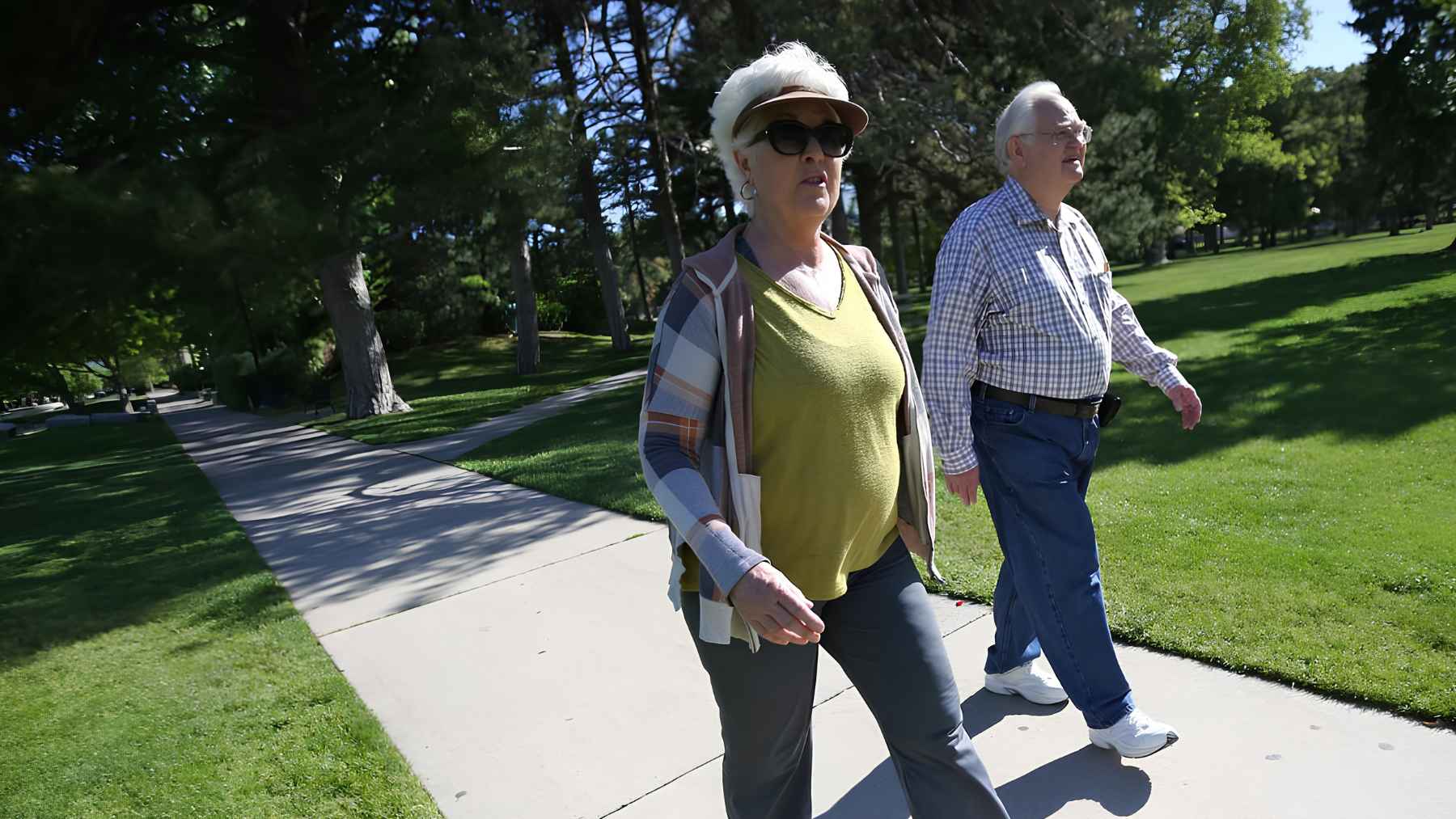
Basic health habits matter more than they may seem. Sleeping enough, eating well, and exercising regularly can support the body and mind during stressful periods. Anyone who has faced a hard day after a sleepless night knows how quickly small problems can feel enormous.
Strong relationships also provide practical and emotional support. A trusted friend may not solve a job loss or family crisis, but that person can listen, offer perspective, and help prevent isolation. Sometimes the first sign of resilience is making the call.
Living according to personal values can add another layer of stability. Regularly asking what kind of person you want to be, and then acting in line with that answer, can create direction when circumstances are confusing.
Practical ways to become more resilient
Mayo Clinic recommends building solid connections with relatives, friends, and other supportive people. It also advises making each day meaningful through clear, achievable goals that create a reason to look ahead.
Past experiences can become a personal guide. Think about an earlier difficult period, what made it worse, and what eventually helped. The aim is not to relive the pain but to identify tools that may still be useful.
Hope should also be paired with action. The past cannot be changed, but a person can identify the next manageable step, make a plan, and begin. Big recoveries often start with something ordinary, such as sending an email, scheduling an appointment, or asking for help.
What resilience does not mean
The proverb should not be used to tell people to endure everything in silence. Deep roots do not require someone to remain in an abusive relationship, accept unsafe working conditions, or handle severe emotional distress alone. Seeking professional help can be an act of strength rather than evidence of weakness.
Resilience also does not demand a quick recovery. Grief and major disruption have no universal timetable, and people do not respond to the same event in identical ways. For the most part, resilience is less like flipping a switch and more like rebuilding a damaged path one section at a time.
The proverb says that strength is built below the surface. The wind may still arrive, but values, relationships, healthy habits, and practiced coping skills can make it less likely that one storm will decide the whole story.
The resilience guidance referenced in this article has been published by Mayo Clinic.