“At the end of life, it is not so important to have fulfilled your dreams, but rather to have been coherent with your values,” says Spanish psychiatrist Javier García Campayo. A long life may not be judged only by what someone achieved, but by whether daily choices matched what mattered most.
That idea frames his latest reflections on older age, loneliness, meditation, and self-compassion. Dreams still matter, but values may become the clearer measure when people review the road behind them.
Loneliness can hurt the mind
For older adults, loneliness is not just an uncomfortable feeling. It is linked to depression, anxiety, isolation, and less self-care, the psychiatrist explains. The pandemic made that problem harder to ignore.
A National Academies report found that about one-quarter of community-dwelling Americans 65 and older are considered socially isolated. Public health agencies also connect loneliness and social isolation with higher risks of depression, anxiety, cognitive decline, and other health problems.
Neighbors matter again
The fix sounds simple, but it is not always easy. Families are smaller, adult children often move away, and friends may die as the years pass. Bit by bit, someone can become cut off from ordinary contact.
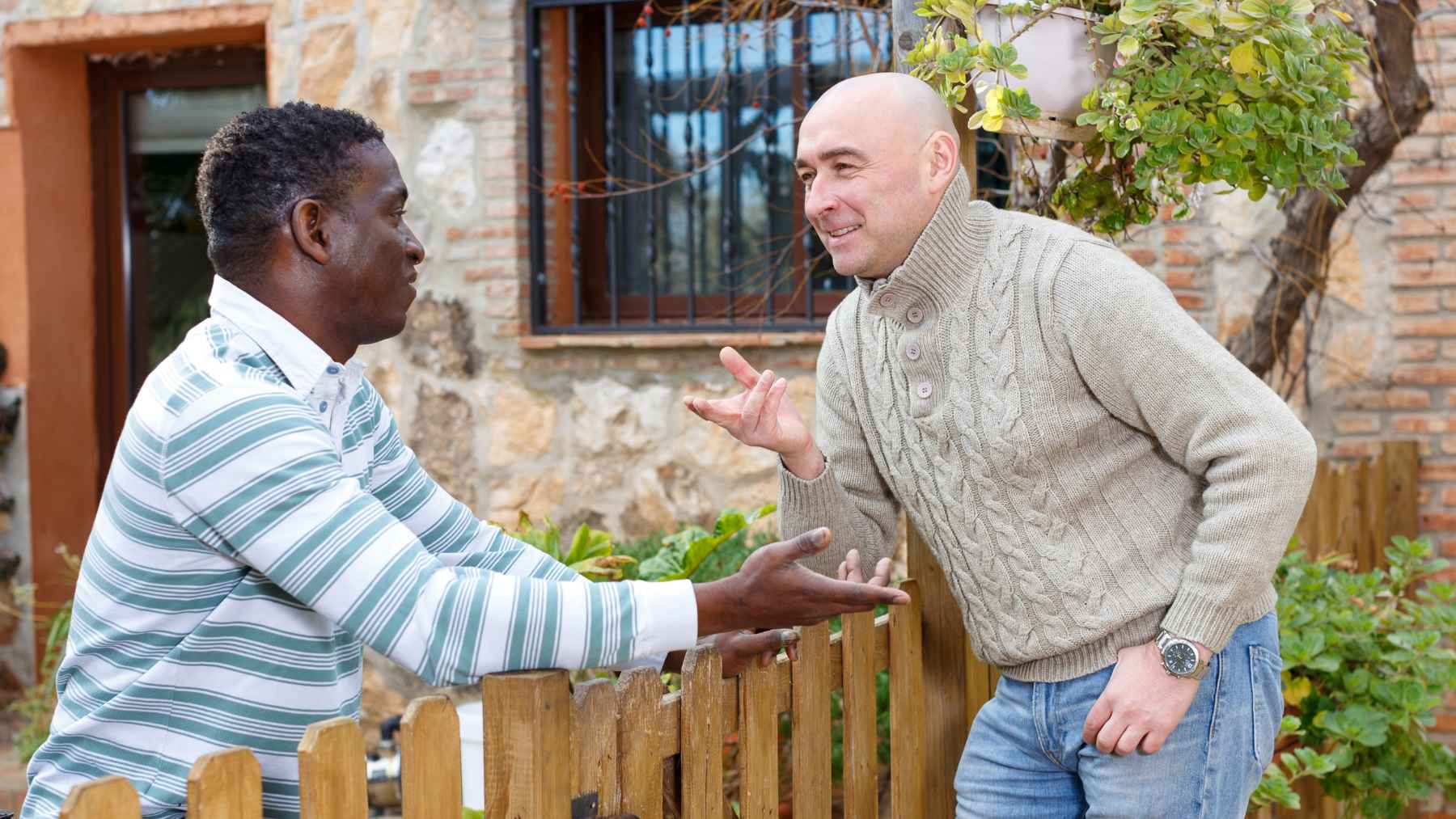
That is why neighborhood centers, civic groups, and local associations matter. They can work like a later-life campus, a place to take classes, meet people, and keep a reason to leave the house. “We no longer know our neighbors, and this can affect mental health,” he says.

Psychiatrist and mindfulness researcher Javier García Campayo discusses how social connection, self-compassion, and meditation can support better mental health and healthy aging.
Meditation is not only silence
The psychiatrist is a professor of psychiatry at the University of Zaragoza and directs its mindfulness master’s program. His new book explores compassion, loving kindness, empathetic joy, and equanimity through a scientific lens.
Mindfulness means paying attention to the present moment without being dragged around by thoughts. For older adults, that can help when retirement, illness, grief, or loneliness reshape daily life. It is not magic, but it can be trained.
Compassion changes the inner voice
Why does compassion matter so much? Many people speak to themselves in a way they would never speak to a friend. They are gentle with others, but harsh with themselves.
The psychiatrist uses the image of two arrows. Life can shoot the first arrow through loss, illness, or heartbreak. The second arrow is the extra pain people create when they tell themselves they are failures, unlovable, or to blame for everything.
The mind can stop piling on pain
Self-compassion aims to interrupt that second arrow. It does not mean making excuses or ignoring mistakes. It means replacing a cruel inner monologue with one that is more caring, realistic, and useful.
After a breakup, for example, someone might decide, “No one will ever love me.” Compassion asks a quieter question: is that really true?
The present is a safer place
The psychiatrist says much emotional suffering comes from being trapped in the past or pulled into the future. Memories can bring guilt and sadness, while imagined futures can stir worry and fear. The present is often more manageable than the stories the mind builds around it.
That is where attention-based meditation, sometimes called samatha, can help. It focuses on the body and the breath, using simple attention to calm the mind. For people over 60, he says starting with 5 to 10 minutes a day can still bring physical and psychological benefits.
Aging brings a life review
Later life often brings a natural review of the past. What happens when that review hurts? Acceptance can help people look at their history with more distance and less punishment.
The psychiatrist suggests a mental exercise. Imagine being 90 and looking back across your whole life. From that viewpoint, the question becomes less about trophies or money and more about whether that life had meaning.
Values may matter more than dreams
From his work with patients, he says people near the end of life usually care less about success or wealth than about love. They ask whether they loved, whether they were loved, and whether they did something that made the world a little better.
This is where regret can sting. Someone may say that children mattered most, yet work consumed nearly all their time. Still, acceptance can help people reinterpret the past, forgive themselves, and reconnect with what remains possible.
Research keeps testing the idea
The Health Research Institute of Aragon says the GIIS017 research group studies mental health in primary care, including mindfulness, compassion, contemplative education, and depression prevention.
That matters because these practices are increasingly being tested in real clinical and community settings.
A 2021 study of 860 Spanish participants found links between mindfulness, self-compassion, resilience, and symptoms of anxiety and depression, while stopping short of proving simple cause and effect. That nuance is important. Meditation may help many people, but it is still a practice, not a cure-all.
A smaller, steadier goal
At the end of the day, the advice is not to give up on dreams. It is to ask whether daily life reflects the values a person would want to see from a distance.
For older adults, that may mean more contact, more kindness toward the self, and a little less time lost in rumination. Small changes count.
The official work has been published by Editorial Kairós.