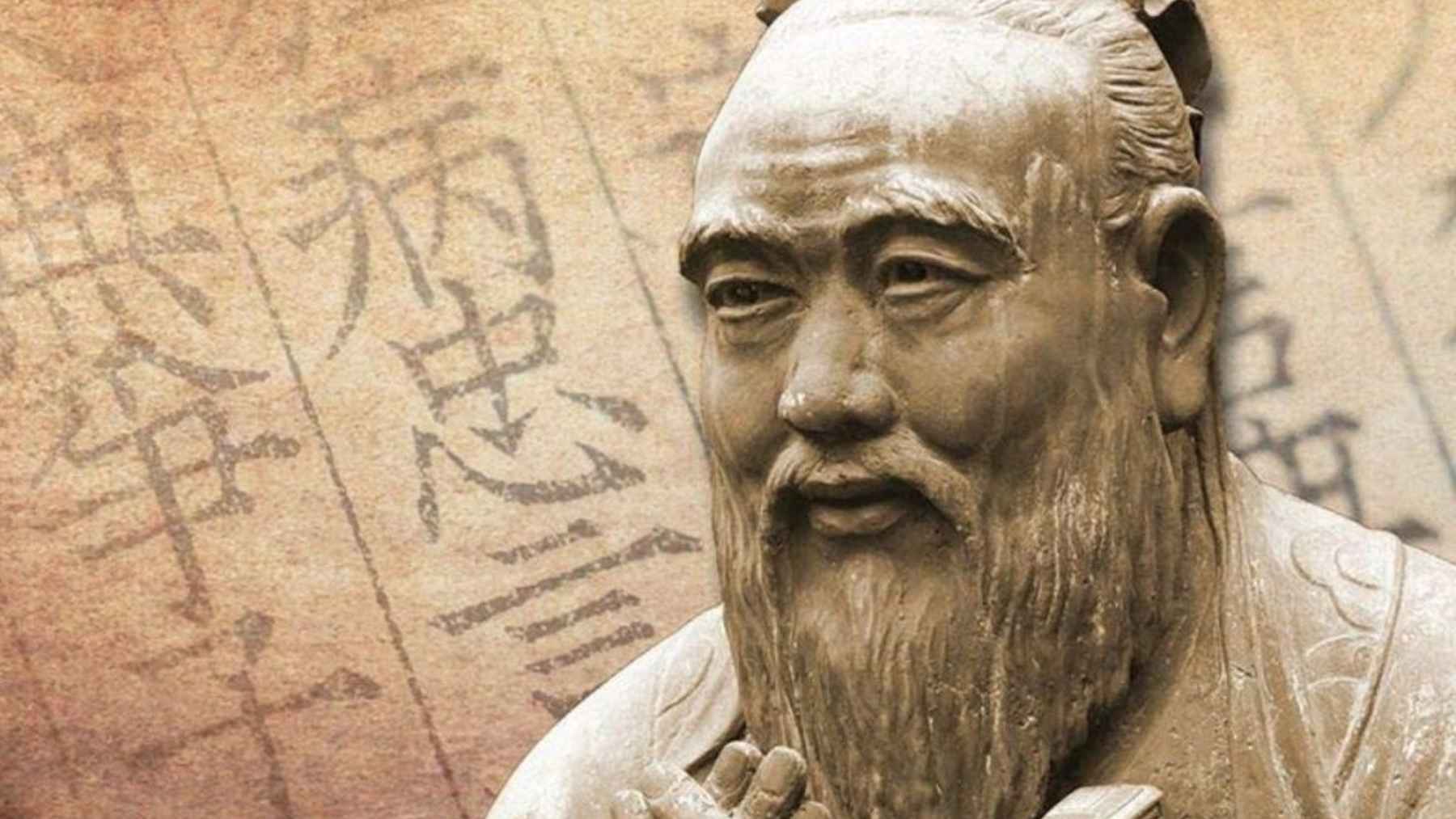
Growing older can feel like being asked to leave center stage. A viral saying credited to Confucius softens that fear by suggesting that old age moves a person from the stage to a comfortable front-row seat. The image is warm, memorable, and easy to share.
But the best available evidence points somewhere else. The wording appears in a 1925 memoir by British classical scholar Jane Ellen Harrison, while the attribution to Confucius is unsupported by the sources reviewed. The reflection remains meaningful, but its documented author deserves the credit.
The quote trail
A verifiable primary source is Harrison’s Reminiscences of a Student’s Life. She wrote, “Old age, believe me, is a good and pleasant thing. It is true you are gently shouldered off the stage.” She then described receiving a comfortable seat near the front as a spectator.
The surrounding passage leaves little doubt about its setting. Harrison mentions dozing through dull lectures, going to bed early, younger friends, and the softer pace of later life. This is a personal reflection on aging and retirement, not a translated conversation from ancient China.
Who Jane Harrison was
Harrison, born in 1850, was a pioneering classicist associated with Newnham College, Cambridge, and a leading scholar of ancient Greek religion. She retired from Newnham in 1922 and wrote the memoir near the end of her life. Her words came from lived experience.
The book was published in London by Leonard and Virginia Woolf at the Hogarth Press in 1925. A Wellcome Collection catalog record identifies it as a 90-page autobiography. That publication trail is far stronger than the online pages that now label the line “Confucius.”
What Confucius actually taught
Confucius, or Kong Qiu, is traditionally dated to 551 to 479 BCE. He was born in the state of Lu and became known above all as a teacher, though later accounts also connect him with government service. Scholars warn that many details of his life were recorded long after he died.
His ideas centered on moral character, education, family duty, humane treatment of others, and ritual. Ritual did not mean empty ceremony. In simple terms, it meant learning respectful habits and social practices that shape how people act toward family, neighbors, and rulers.
The name Confucianism can be misleading if it suggests one finished system created by one man. The tradition took shape over centuries, gained state support during the Han dynasty, and blended texts, institutions, and later interpretations.
In practical terms, it became a broad moral and educational framework across much of East Asia.
Confucius on growing older
There is an Analects passage that speaks directly to age. Confucius describes a lifetime of learning and says that by seventy he could “give my heart free rein and without overstepping the mark”. The point is not withdrawal into the audience but mature freedom guided by deeply practiced judgment.
That idea may be less catchy than the stage metaphor, but it fits his larger philosophy. For Confucius, wisdom was not simply having more birthdays. It grew through study, self-correction, trustworthy conduct, and attention to other people.
Better sourced sayings
The Analects includes the instruction, “Do not impose upon others those things that you yourself do not desire.” It also presents learning and habit as forces that can separate people who begin with similar natural capacities.
Both ideas fit Confucius’s focus on conduct and education more clearly than many modern quote cards.
Another passage treats public trust as essential to government. The text says a state cannot stand when people do not trust its ruler, a blunt lesson that still feels recognizable in everyday civic life. These lines come with textual locations that scholars can examine.
The Analects need careful reading
The Analects is not a book Confucius sat down and wrote. It is a collection of conversations and scenes compiled and transmitted by followers, with layers that scholars still debate. That is why reliable attribution depends on tracing a saying to an early text, not merely finding it on a quote website.
The Analects later became one of the Four Books. The Five Classics are a separate collection, and most existed before Confucius. Mixing those groups together can make a simple biography sound certain while hiding how complex the tradition really is.
Why the mix-up matters
An unsupported attribution does not erase the value of a sentence. Harrison’s metaphor can still help people think about retirement, changing family roles, or the quieter pace that sometimes comes with age. But giving her words to Confucius removes a woman scholar from her own work and turns history into a game of telephone.
It also changes how readers understand Confucius. His surviving teachings are less like polished motivational posters and more like compact exchanges about learning, duty, judgment, and relationships. The better-sourced voice is sometimes harder to summarize, but it is also more interesting.
Before sharing a famous line, one quick source check can make a difference. The primary work containing the viral old-age passage was published in Jane Ellen Harrison’s Reminiscences of a Student’s Life by the Hogarth Press in 1925.
The primary work discussed in this article is published online by Project Gutenberg.