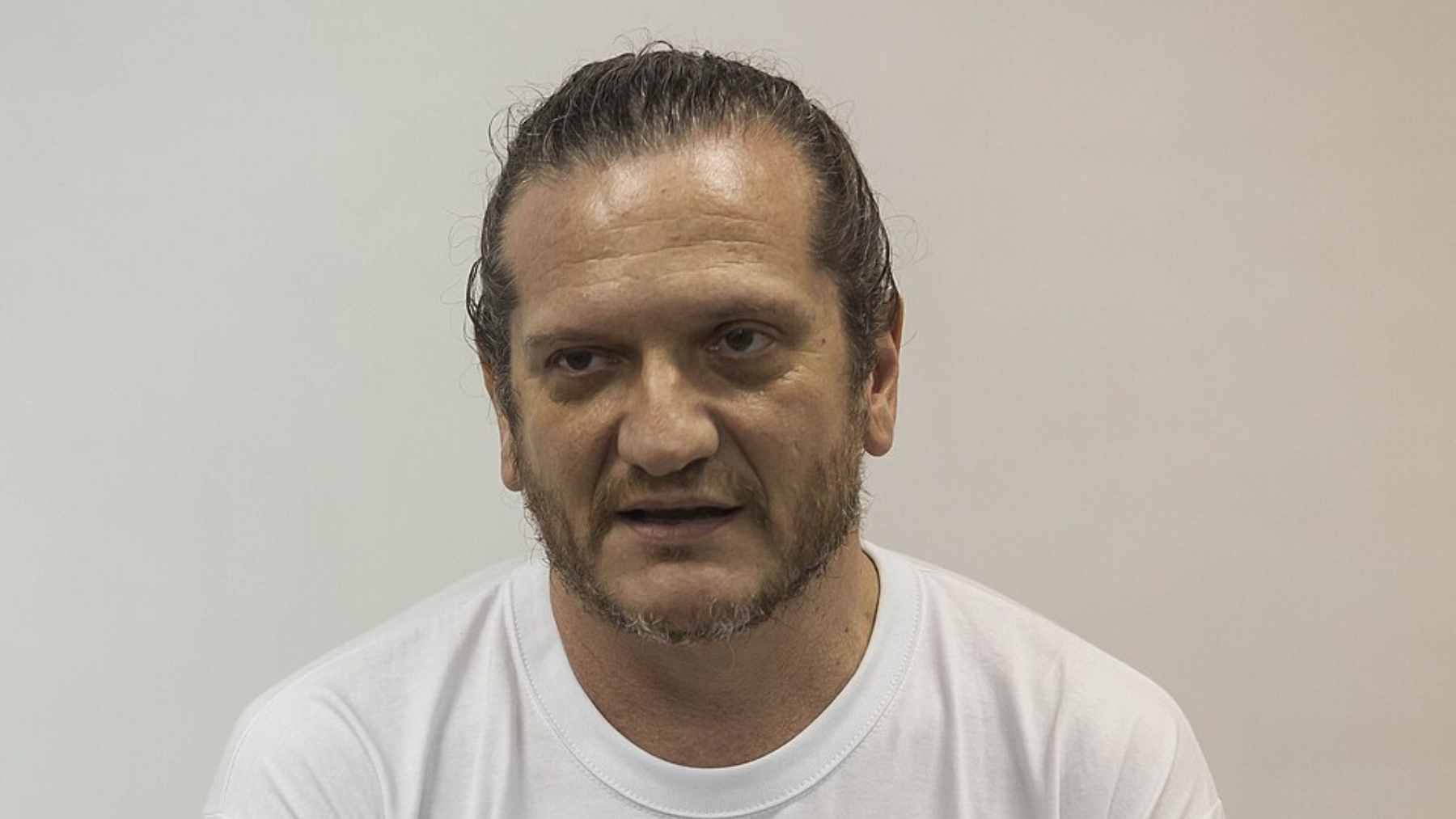
What makes something true today? In a world of viral posts, personal opinions, and quick reactions, Argentine philosopher Darío Sztajnszrajber is pointing back to one of the oldest answers in Western thought.
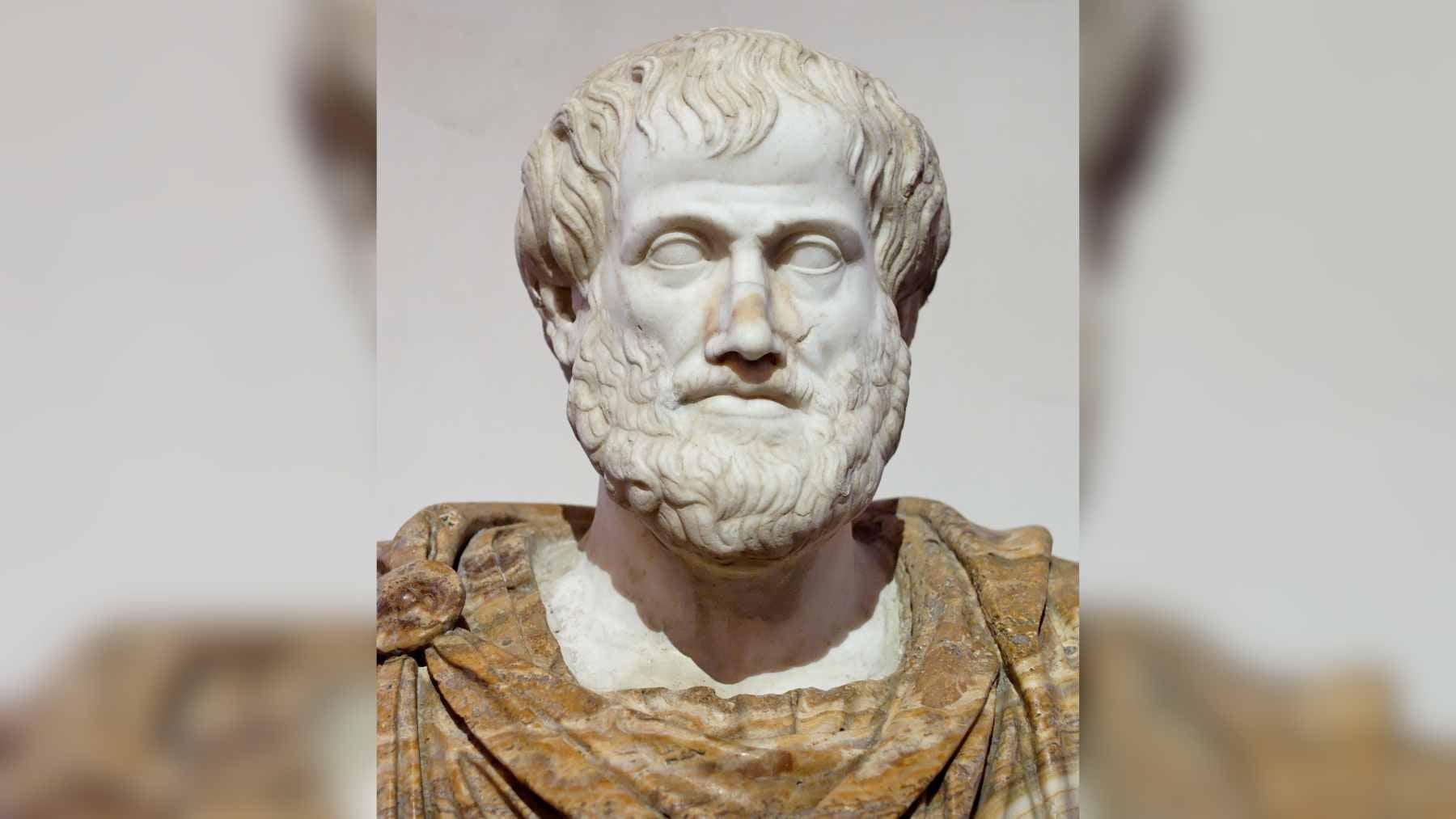
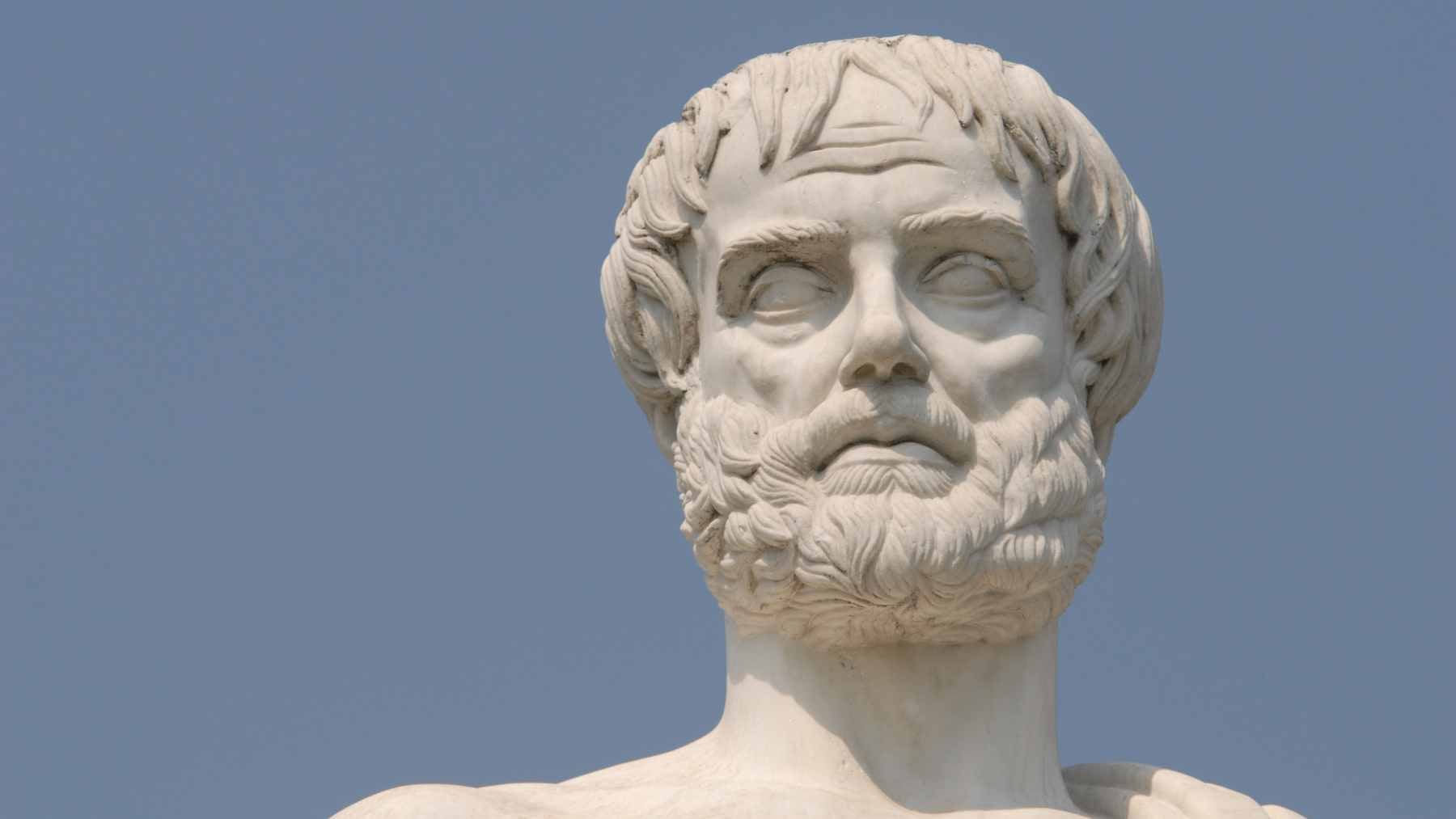
In an interview with LA NACION, Sztajnszrajber revisited Aristotle’s classic idea that truth depends on correspondence. In plain English, a statement is true when what we say and think matches what actually exists, not just when it feels useful, popular, or comforting.
Truth as a match
Aristotle’s point sounds simple at first. If something is real, saying that it is real is true. If something is not real, saying that it is real is false.
That idea is often called the correspondence theory of truth. The Stanford Encyclopedia of Philosophy traces this tradition back to Aristotle’s Metaphysics, where truth and falsehood are tied to whether speech lines up with reality.
Why saying matters
Sztajnszrajber highlighted one detail that can be easy to miss. Aristotle begins with the act of saying, which means truth is not only about objects out there in the world.
It is also about language, thought, and reality meeting in the same place. As Sztajnszrajber put it, “There has to be correspondence between what I say, what I think, and what there is.”
Post-truth pressure
That old idea now runs into a very modern problem. In the age of post-truth, people often test information against their own beliefs before they test it against evidence.
What happens when a feed keeps showing us what we already want to believe? For the most part, the risk is not that people stop caring about truth completely, but that they confuse truth with emotional confirmation.
The problem of stepping outside yourself
Sztajnszrajber raised a difficult question about whether anyone can fully step outside themselves to check reality in a perfectly objective way. That does not mean facts disappear, it means our access to them is always shaped by culture, habits, language, and the time we live in.
This is where the debate gets uncomfortable. If every society has its own dominant ideas, then many “great truths” in history may have been tied to the worldview that produced them.
Everyday truth
The philosopher also separated everyday truths from deeper philosophical ones. In daily life, truth often looks like a working routine. You turn on the faucet, water comes out. You flip a switch, the light turns on.
Those truths matter. They keep a house, a school, or a workplace running without drama. Nobody wants to debate plumbing before brushing their teeth in the morning.
Beyond usefulness
But Sztajnszrajber warned that useful is not always the same as true. A system can function well and still leave deeper questions unanswered.
That is where philosophy enters the picture. It asks not only how things work, but what they mean. It slows the conversation down when everything else tells us to move faster.
What ontological truth means
The word “ontological” can sound heavy, but the basic idea is simple. It refers to questions about being, existence, and the larger meaning of things.
So when philosophy looks for ontological truth, it is not just asking whether the light turns on. It is asking what kind of world we are building, why we value certain things, and what we are really chasing when we say we want the truth.
Philosophy against performance
According to Sztajnszrajber, philosophy can work as a kind of decentering. It pushes us away from the constant demand to be useful, productive, and measurable every minute of the day.
That point may feel familiar far beyond a classroom. In practical terms, it speaks to a culture where every hobby can become a side hustle, every pause can feel wasted, and even thinking has to prove its value.
Science, facts, and meaning
Sztajnszrajber did not dismiss science or ordinary facts. Instead, he drew a line between questions about how something works and questions about what something means.
Science is powerful because it helps explain processes and test claims. Philosophy, on the other hand, often asks why those claims matter to us in the first place. One is not a replacement for the other.
Aristotle’s warning still feels current
At the end of the day, Aristotle’s old test still has bite. A claim should not be treated as true just because it helps our side, fits our mood, or spreads quickly online.
The harder task is checking whether our words, thoughts, and reality still meet. That may sound basic. These days, it is anything but.
The original interview has been published by LA NACION.