Happiness is often treated like a prize waiting at the end of the right career, relationship, home, or bank balance. Philosopher and writer Alain de Botton offers a less comfortable but more useful idea. What happens matters, yet the way we interpret it can shape how heavily it lands.
His argument is not a call to ignore pain, injustice, or disappointment. It is about recognizing that perception is never neutral, because memory, fear, desire, and expectation influence the meaning we give to everyday events.
In that sense, happiness may be less about controlling life and more about learning how to read it.
Happiness is not a lucky break
De Botton summarizes the idea in one striking sentence. “The only way to be happy is to realize how much depends on how you look at things.” The line appeared in an interview discussing travel, where he argued that a beautiful destination cannot automatically repair an unsettled mind.
That distinction matters. A promotion, new relationship, dream vacation, or admired home can create genuine pleasure, but the feeling may fade when the same anxieties and demands return. Change the scenery without examining the lens, and the old worries may simply travel with you.
The lens we carry
Each person looks at life through a lens built from earlier experiences. A delayed reply can feel like rejection to one person and a harmless sign of a busy day to another. The event is the same, but the emotional story attached to it is not.
Reframing means slowing down before treating the first interpretation as the final truth. It does not mean painting a cheerful face over a real problem. Effectively, it means asking what else could explain the situation and whether fear is presenting one possibility as a certainty.
Why success rarely feels sufficient
Modern life encourages people to connect happiness with visible milestones. There is always another salary, title, purchase, trip, or sign of approval just beyond reach. However, once one target is reached, the mind often creates a fresh condition that must be met before it will permit contentment.
De Botton’s work pushes against that cycle without rejecting ambition. His point is that no achievement can carry the full weight of a person’s emotional life for very long. How often does something long desired become ordinary soon after it arrives?
Home and beauty also matter
The same argument extends beyond thoughts and into physical surroundings. In The Architecture of Happiness, de Botton explores how homes, streets, rooms, and objects can reflect identity and influence mood.
A quiet corner, natural light, or an orderly desk will not solve a serious problem, but surroundings can make daily life feel steadier or more abrasive.
This is not a claim that expensive design produces happiness. A luxurious room can still hold anxiety, while a modest one can offer comfort and belonging. The deeper question is whether the places around us support the qualities we value or constantly remind us of a life we think we should be living.
Philosophy for ordinary problems
Born in Zurich in 1969 and now based in London, de Botton has written about love, travel, architecture, literature, and emotional life. His official biography describes his approach as a “philosophy of everyday life” and notes that his books have become best sellers in 30 countries.
Works such as Essays in Love, The Consolations of Philosophy, and The Course of Love examine familiar frustrations rather than distant abstractions. Through The School of Life, which he started and helps run, that approach has also been turned into accessible material about relationships, work, self-knowledge, and emotional education.

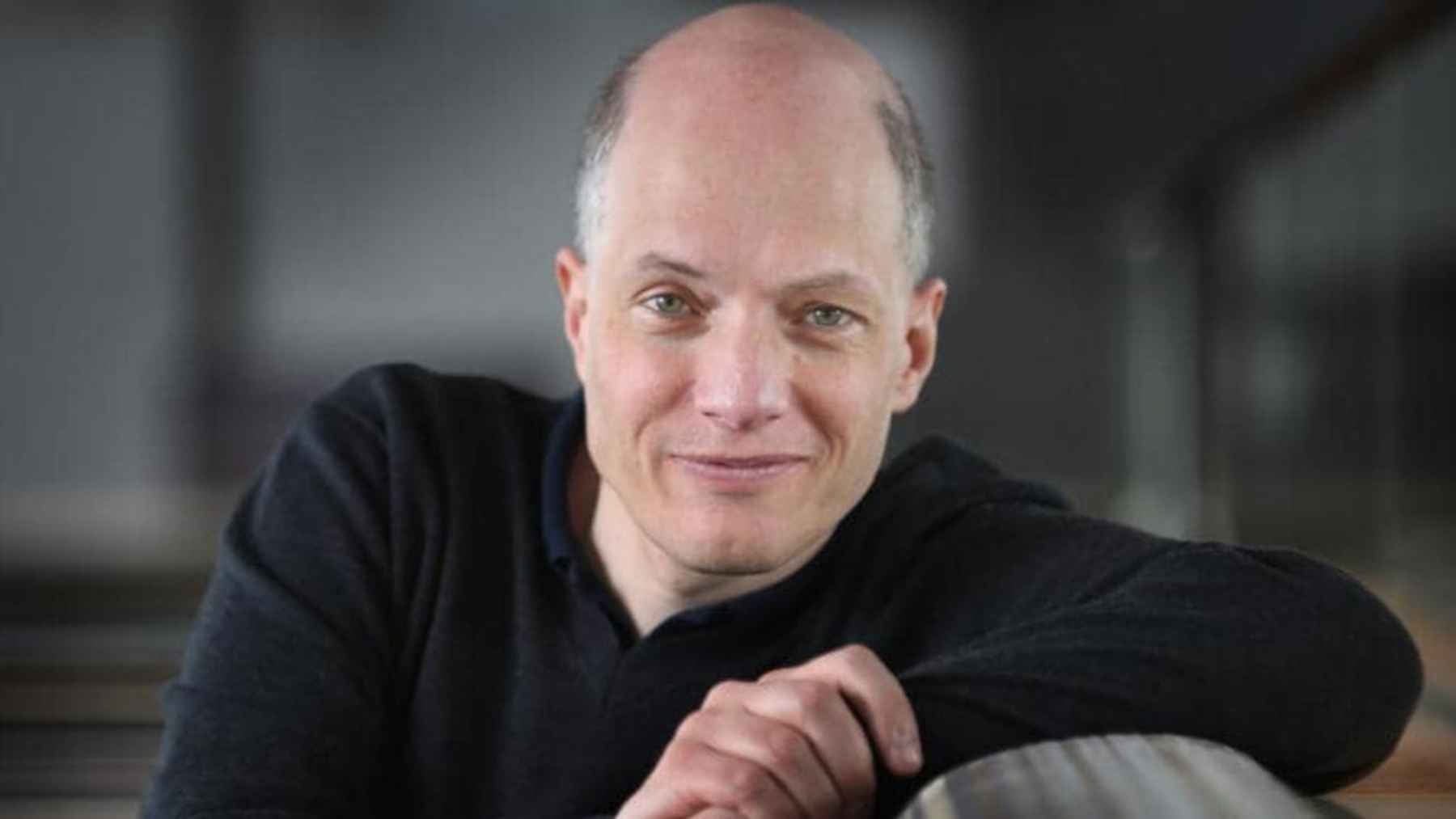
Alain de Botton argues that happiness is shaped not only by circumstances, but also by the way we interpret them.
A less demanding kind of happiness
The attraction of de Botton’s view is that it lowers the pressure without pretending circumstances are irrelevant. Some events are genuinely painful, and some conditions need to be changed rather than reinterpreted.
However, much daily suffering can be intensified by comparison, rigid expectations, and the belief that life has violated a private script.
A more realistic happiness is not permanent excitement. It is the ability to notice what is present, question automatic judgments, and accept that satisfaction will naturally come and go. That may sound modest, but it places part of emotional balance back within reach.
The original interview excerpt featuring the statement has been published on Alain de Botton’s official.