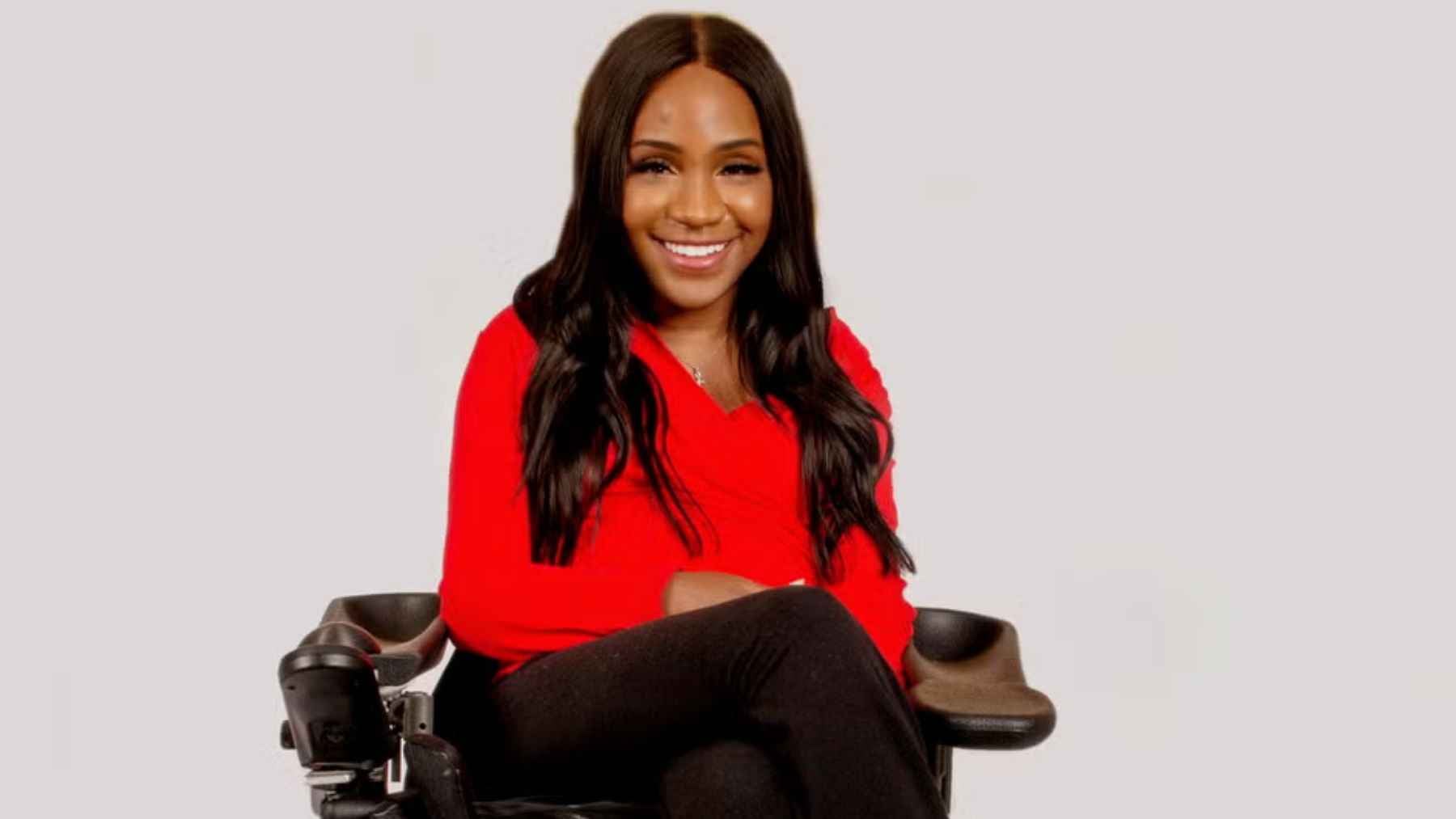
Taylor Lindsay-Noel had spent nearly a decade chasing one goal. By age 14, the Canadian national-level gymnast was training toward the Olympics, with school days followed by long practices and weekends built around competitions.
Then, on July 15, 2008, an unfamiliar move turned an ordinary training session into a medical emergency, leaving her paralyzed. Who was she without gymnastics? Her answer would emerge through rehabilitation, family support, entrepreneurship, and advocacy.
A warning she could not ignore
Lindsay-Noel said her longtime coach introduced a skill she had never seen before. “I told him I had never seen that skill before, that it was very strange,” she recalled in an exclusive Zoom interview with PEOPLE.
For almost an hour, she resisted trying it. She questioned the technique and said she felt uncomfortable, but her coach insisted that gymnasts in Europe were already doing it and told her to trust him.
This was before online tutorials and social media made it easy for athletes to check unfamiliar techniques themselves. After years in the sport, Lindsay-Noel could not imagine that an Olympic-level coach might steer her in the wrong direction. Eventually, she agreed.
The fall that changed everything
The first attempt was not perfect, and during the second she immediately sensed that she had lost control. “As a gymnast, you are very connected to your body,” she said. “In the air, I knew instantly that something very bad was going to happen because I was lost.”
She crashed headfirst into the high bar and remained conscious. Lying on the mat, she heard her coach repeatedly tell her to get up, but when she took a breath and tried, nothing moved.
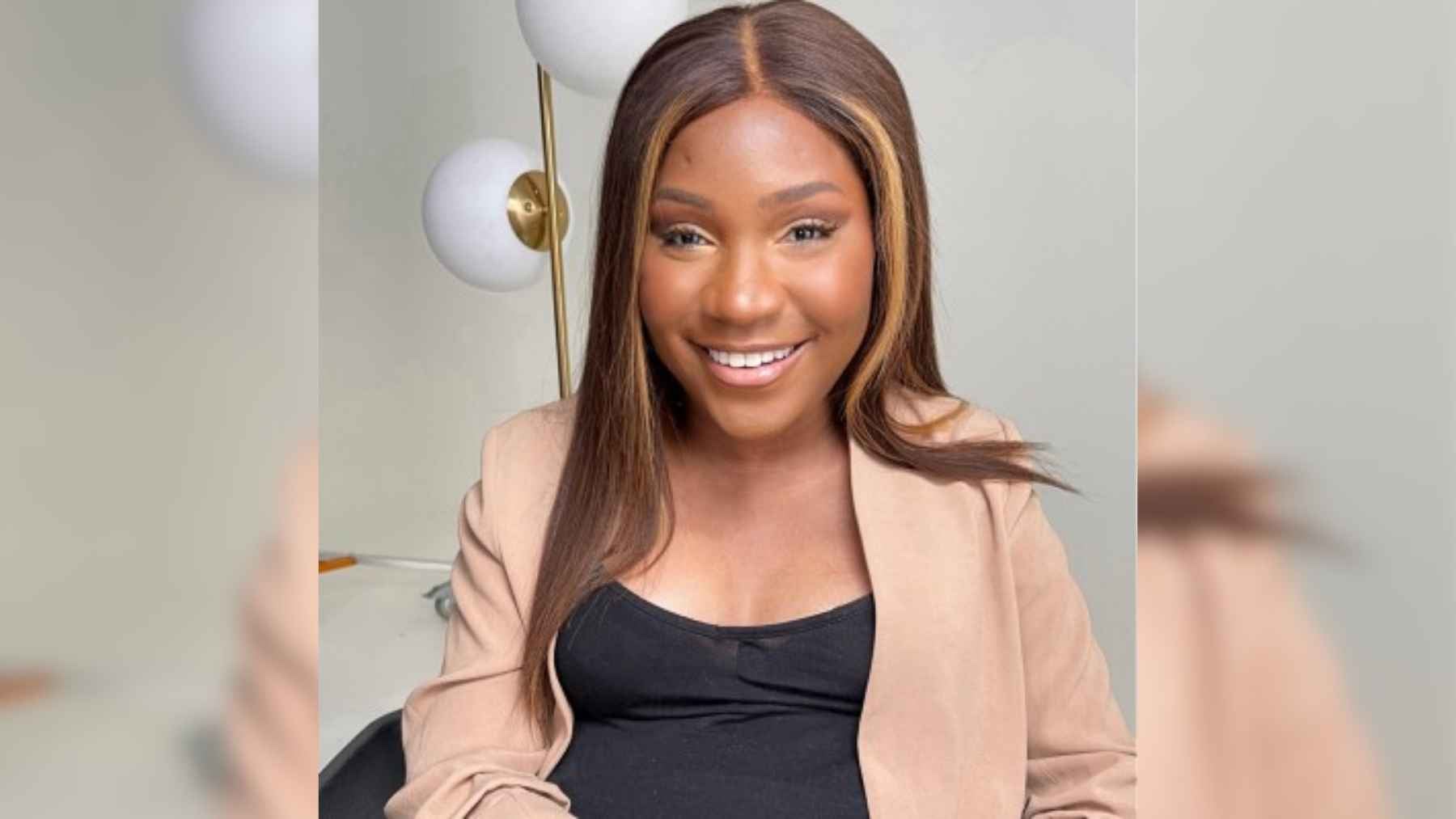
After he checked whether she could feel different parts of her body, the severity became clear because she felt nothing until he touched her chin, and she was rushed to a hospital for emergency spinal surgery. “I thought I was going to be an Olympic athlete,” she said. “At 14, I was facing paralysis.”
Rehabilitation became her new training
After surgery, doctors told Lindsay-Noel that she would probably never walk again. At first, she refused to believe them and thought, “They just don’t know me. I’m going to recover.”
Weeks later, at a children’s rehabilitation center, she began to understand what a spinal cord injury meant. The spinal cord carries signals between the brain and the body, and damage can interrupt movement and sensation. Her new reality slowly came into focus.
For the next 19 months, progress was measured differently, with sitting upright without fainting becoming a victory alongside regaining enough strength to lift a small amount of weight.
When she received her first powered wheelchair, she recovered something she feared she had lost forever, her independence. “I started treating every day of physical therapy like it was training,” she said.
The harder battle was identity
Rebuilding her body was only part of the struggle. “I struggled in silence,” Lindsay-Noel said. “People think disability is only a physical process, but it is also a mental process.”
Her mother stayed beside her every night, sleeping in a folding hospital chair. Before her daughter was discharged, she retired early and built a fully accessible home because the family’s original house had stairs. “I would not have been able to get through this experience without her,” Lindsay-Noel said.
Leaving rehabilitation brought a different kind of loss as friends went to dances, started dating, and experienced the milestones of adolescence while she grieved the future she had imagined.
Student council eventually helped her rediscover an identity beyond the gym. It was, she said, about finding “not ‘Taylor the gymnast’ or ‘Taylor the future Olympian,’ but just Taylor.”
A new career and a wider mission
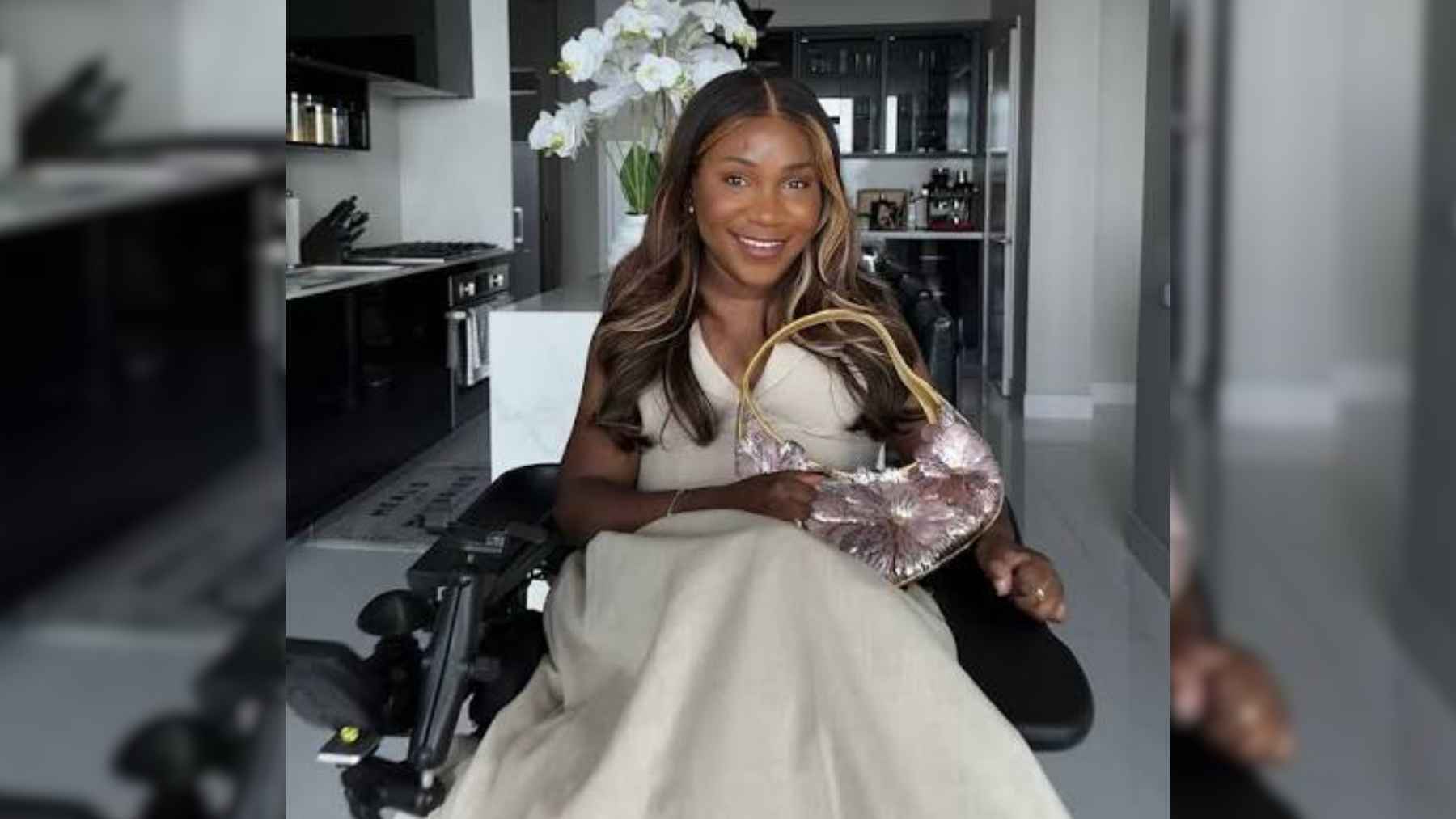
Now 32, Lindsay-Noel has become an entrepreneur and accessibility advocate. She launched the luxury tea company Cup of Té, which appeared twice on Oprah’s “Favorite Things” list, and turned her interest in storytelling into public education.
Through social media, she reviews the accessibility of restaurants, attractions, and public spaces. Her audience includes wheelchair users, but also parents pushing strollers, older adults with mobility problems, and viewers who say her videos changed how they notice barriers in everyday life.
The work is practical, but its impact can be deeply personal. One woman who had become afraid to leave home after a spinal cord injury wrote that Lindsay-Noel’s videos gave her the confidence to go outside for the first time in eight years.
There is life after tragedy
“Knowing that someone left her house because of my videos is incredible,” Lindsay-Noel said. Her platform has become a way to show that accessibility affects far more people than many businesses, public spaces, and visitors may initially realize.
Her life did not follow the route she spent childhood preparing for. Still, she says it is full of supportive people, purpose, and opportunity. “I hope people understand that there is so much life after tragedy.”
The original exclusive interview was published by PEOPLE.