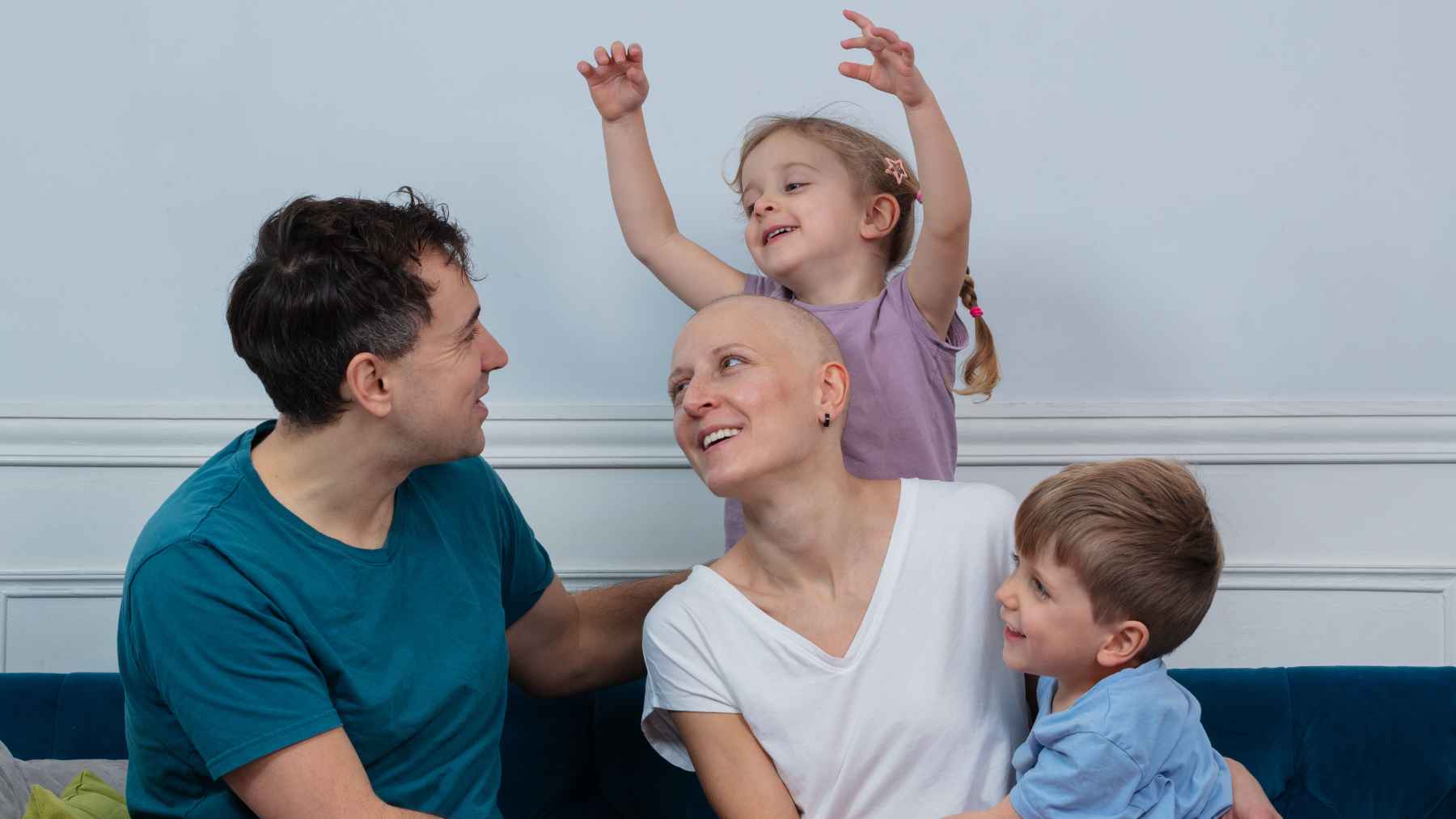
Surviving cancer is supposed to feel like the finish line. For many people, though, treatment ends while exhaustion, memory problems, fear, and changes to the body keep shaping everyday life.
Switzerland now has around half a million people living with or after cancer, according to a 2026 campaign from the Swiss Cancer League. Journalist Regula Zehnder’s report points to a central problem: follow-up care may track scans and tumor markers, while survivors are still struggling to think, work, sleep, and feel at home in their bodies.
Fatigue is not ordinary tiredness
So what makes cancer-related fatigue different from the tiredness everyone knows? Sarah Stoll, a registered nurse and cancer survivorship adviser at Krebsliga Ostschweiz, described it as emotional, physical, and mental exhaustion happening at the same time.
“Cancer survivors often experience emotional, physical, and mental fatigue simultaneously,” she said.
The causes can overlap. The tumor itself, the shock of a diagnosis, treatment, sleep disruption, and hormonal changes may all drain energy. The National Cancer Institute says more than 80% of people receiving chemotherapy or radiation experience fatigue, and some remain tired for months or years after treatment.
For the survivor, a shower, grocery trip, or work meeting can become the day’s main event. Stoll said occupational therapy can teach ways to conserve, maintain, or gradually build energy.
A 2024 clinical guideline from the American Society of Clinical Oncology also supports tailored exercise, cognitive behavioral therapy, and mindfulness programs for survivors after treatment.
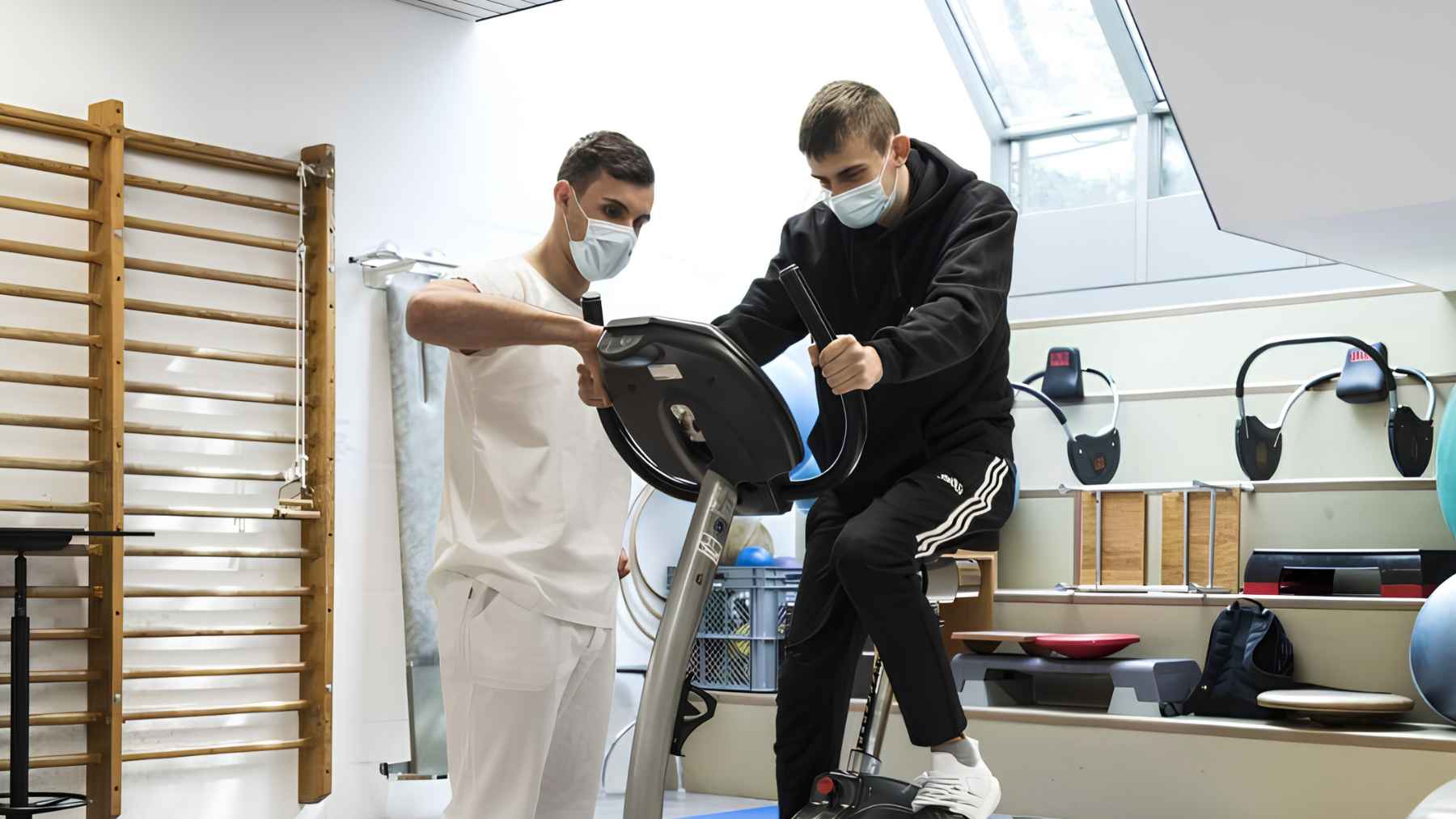
A cancer survivor participates in supervised rehabilitation therapy, an important part of recovery that helps address fatigue, physical function, and long-term treatment effects.
Fear can outlast treatment
The scan may be clear, but the mind may not feel safe. Fear of recurrence means worrying that cancer will return, and official survivorship guidance describes it as one of the most common fears after treatment. “The fear that cancer could come back is real for cancer survivors,” the specialist said.
That fear can grow before checkups or whenever a new ache appears. Some survivors pull away from friends, and their social circles may shrink just when support matters most. Family members can carry their own fear and confusion, which is why relatives are sometimes brought into counseling sessions.
Brain fog can reshape careers
Everyone forgets a name or misplaces keys. Cancer-related cognitive impairment, often called brain fog, can involve weaker memory, reduced concentration, slower information processing, and trouble planning or switching between tasks.
Clinical guidance on cognitive problems notes that survivors report more of these symptoms than people without a cancer history, although testing does not always capture every subtle change.
“Fortunately, the brain can be trained,” Stoll said. Occupational therapy may help people rebuild routines and concentration, while a neuropsychological assessment can examine how memory and thinking are working. The point is not to dismiss the problem as ordinary forgetfulness.
The workplace consequences can be serious. The specialist cited executives who lost leadership roles after concentration problems affected their performance, while a separate Swiss report found that one in five people employed at diagnosis were no longer working five years later.
Not every job exit is caused by brain fog, but the number shows how far cancer’s effects can reach beyond the hospital.
The body may feel unfamiliar
Cancer can leave visible and private changes. Scars, breast removal, urinary leakage, and sexual difficulties can affect confidence, intimacy, and daily routines long after treatment ends. These are health issues, not cosmetic footnotes.
For some men with prostate cancer, hormone therapy can cause weight gain, lower sexual desire, erectile dysfunction, fatigue, and loss of bone density. An official hormone therapy fact sheet notes that side effects can increase with longer treatment.
Those risks do not mean the therapy was unnecessary, especially when it improves survival for high-risk disease, but patients may need monitoring and support.
Survivorship care must continue
Better follow-up care looks beyond whether cancer has returned. It asks about energy, sleep, mood, memory, work, relationships, sexuality, pain, and body changes, then connects the person with the right specialist.
Regional cancer leagues and specialized survivorship counseling can also advise survivors and their relatives.
The larger lesson is that survival is a phase of life, not a single date on the calendar. Rising survivor numbers are a public health success, but they also create a duty to treat long-term effects with the same seriousness given to the original disease. Beating cancer is a milestone, not always the end of the story.
The original report was published by Swiss public broadcaster SRF.