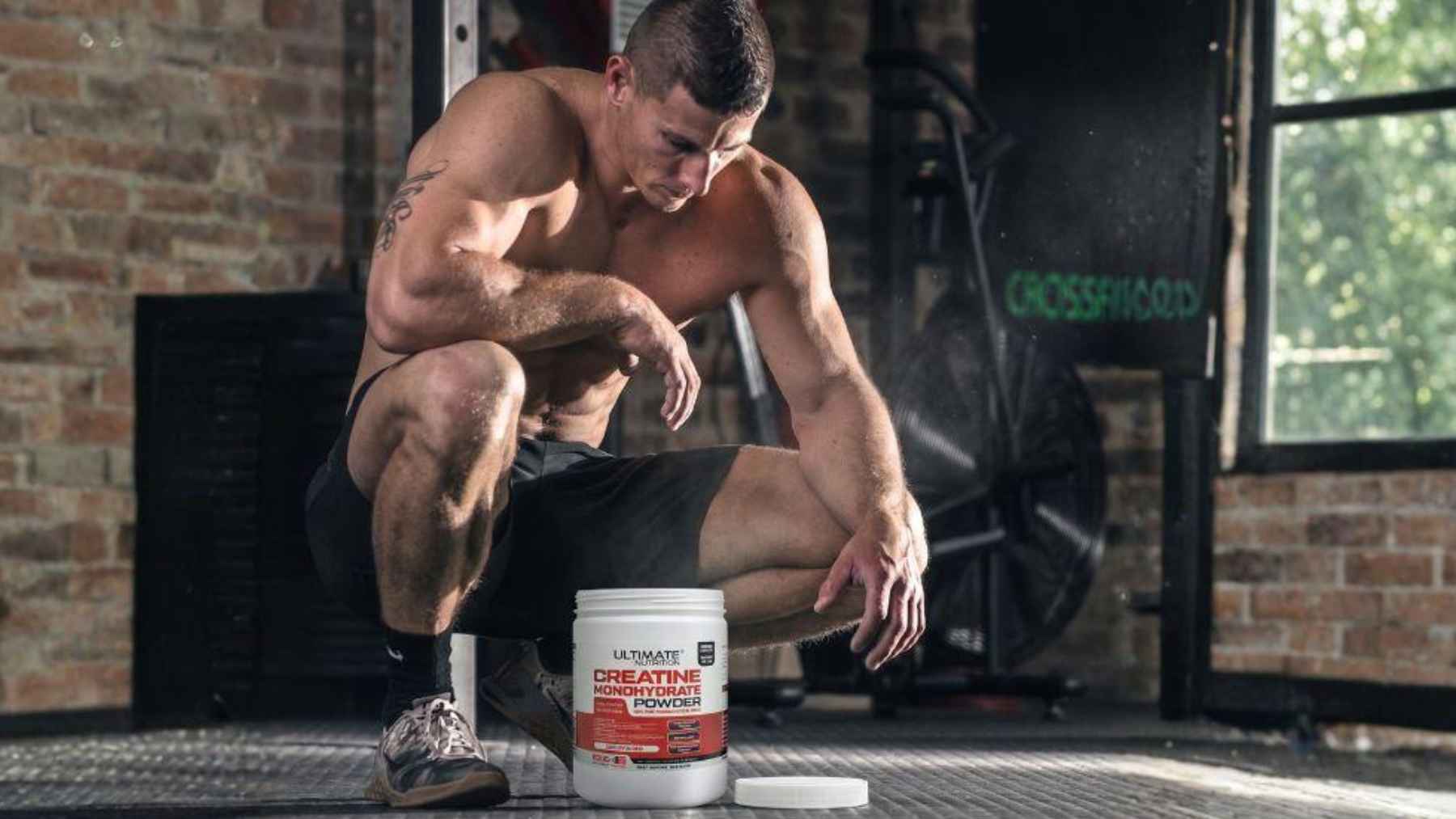
Creatine has spread from specialist sports stores into an everyday supermarket item. Mercadona, the Spanish chain led by Juan Roig, has begun selling a neutral-flavored exercise supplement in selected locations, placing one of sports nutrition’s best-known powders within reach of everyday shoppers.
The product appears in the chain’s official catalog and is reaching shelves in its wellness and supplement area, although the rollout is not yet chain-wide.
The 7.1-oz. jar has a reported price of €8 (about $9.20). The claims sound simple enough, but the science calls for a closer look. Creatine can support repeated, brief, high-intensity exercise, but that is not the same as curing fatigue following a bad night’s sleep.
What is in the jar
The product is produced by Ynsadiet, a Madrid-area supplement company. Its label lists creatine monohydrate, creatine phosphate, calcium, and phosphorus, which means it is not a jar of pure creatine monohydrate. One level scoop weighs about 0.15 oz., or 4.2 grams, and contains about 0.11 oz., or 3 grams, of creatine.
The powder is mixed into roughly 5 to 7 fluid ounces of water, milk, or other drink. Based on the label figures, a full jar provides close to 48 daily servings. At the converted shelf price, each labeled dose costs about $0.19.
How creatine works
Your body naturally produces creatine in the liver, kidneys, and pancreas, while meat and fish supply additional amounts. Most of it is stored in skeletal muscle, where it helps replenish the quick energy muscles need during short efforts of near-maximum intensity.
In the gym or on the track, a heavy set of squats, a fast sprint, or repeated jumps is where creatine comes in handy. European rules authorize the statement that “creatine increases physical performance in successive bursts of short-term, high intensity exercise” when the daily serving size is about 0.11 oz., and the product targets adults doing intense exercise. The wording is specific for a reason.
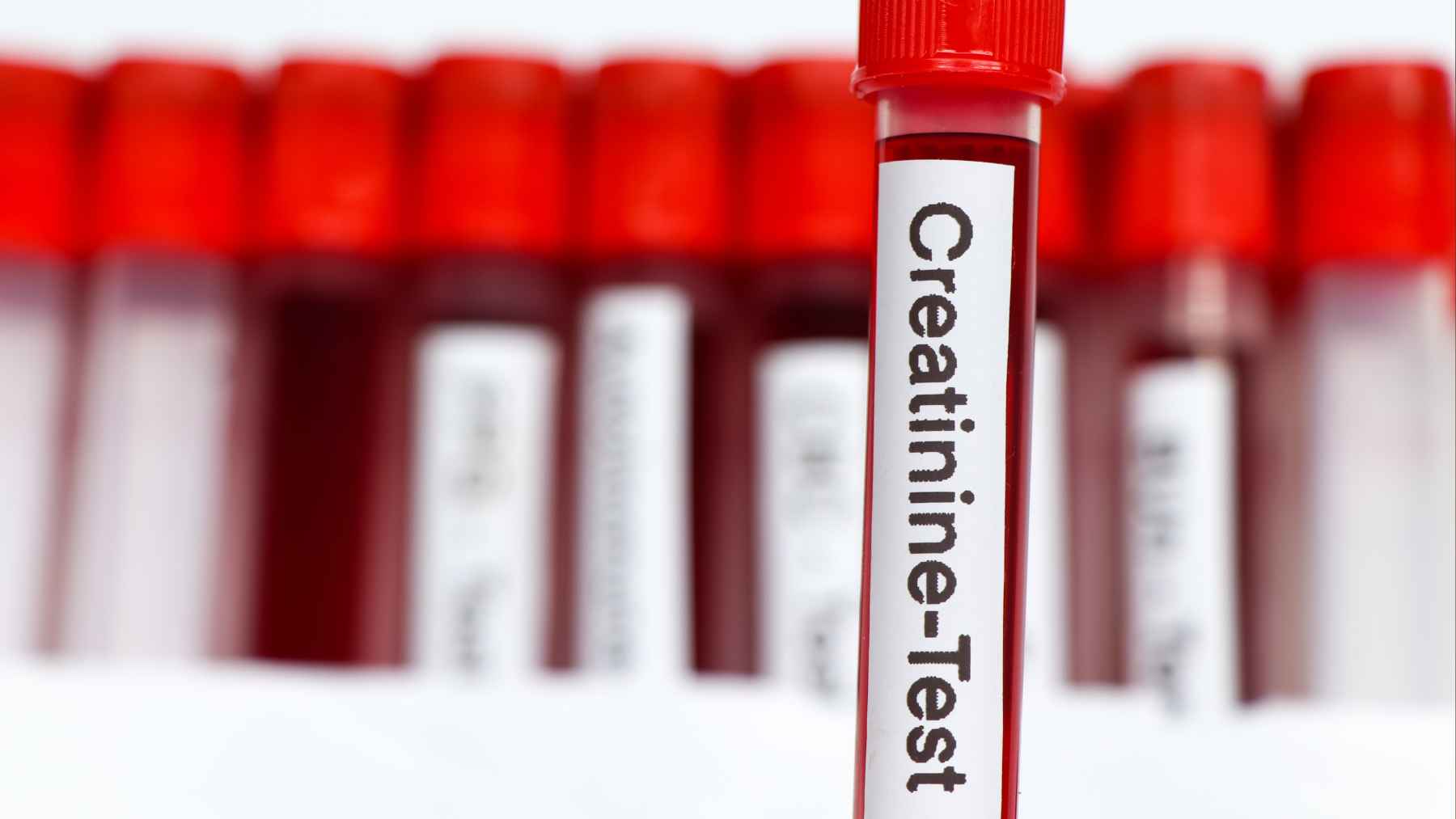
A creatinine blood test measures a waste product in the blood and can help doctors assess kidney function.
Can it reduce fatigue?
So, can this supermarket powder make someone feel less tired? It may help a person sustain repeated explosive efforts, which results in less muscular fatigue during training. But the authorized European claim does not indicate creatine treats ordinary physical or mental fatigue.
Research on recovery is encouraging in places, but it is not closed science. A 2021 meta-analysis found lower markers of immediate muscle damage after exercise, while an earlier controlled trial found no reduction in muscle damage or faster recovery.
A scoop may help some workout routines, but it cannot negate sleep debt, poor nutrition, or poorly planned training.
Dietitian-nutritionist, author and content creator Julio Basulto has warned about a “false sense of security” around supplements. His point is down to earth: sleeping well, training properly, and eating a balanced diet still provide most of the benefits.
Why the formula is debated
The formula begs an obvious price question. Because a 0.15-ounce scoop provides about 0.11 ounce of creatine, roughly 71% of each serving is creatine by weight. Calcium and phosphorus comprise part of the remaining blend.
That does not automatically make the product lower in value. Shoppers need to compare the cost of the actual creatine dose, not just the size of the jar. Still, buyers seeking a single-ingredient powder may prefer a product that lists only creatine monohydrate.
At the end of the day, the evidence-based selling point is not a promise of instant energy. It is a measured dose for those engaging in repeated, intense exercise. Anyone buying it for the afternoon slump is asking the powder to do something its authorized claim cannot promise.
Safety and who should pause
The Spanish Agency for Food Safety and Nutrition concluded that a daily amount providing about 3 g. of creatine is acceptable for healthy adults when supplied through common creatine forms.
The agency says evidence is lacking for people under 18 and advises against use in those with pre-existing kidney disease. This is a general safety assessment, not a product-specific detail.
Pregnant or breastfeeding women, children, and anyone with an illness should use supplements only when there is a justified reason and appropriate professional guidance. Consumers should follow the label indications, avoid higher doses, and remember that supplements do not replace a balanced diet.
A well-planned supermarket shelf can make creatine look as much a staple as breakfast cereal. It is still a supplement, not a shortcut. Keep it away from children, and do not treat it as a replacement for food, recovery, or medical care.
The official safety report was published in Revista del Comité Científico de la AESAN.