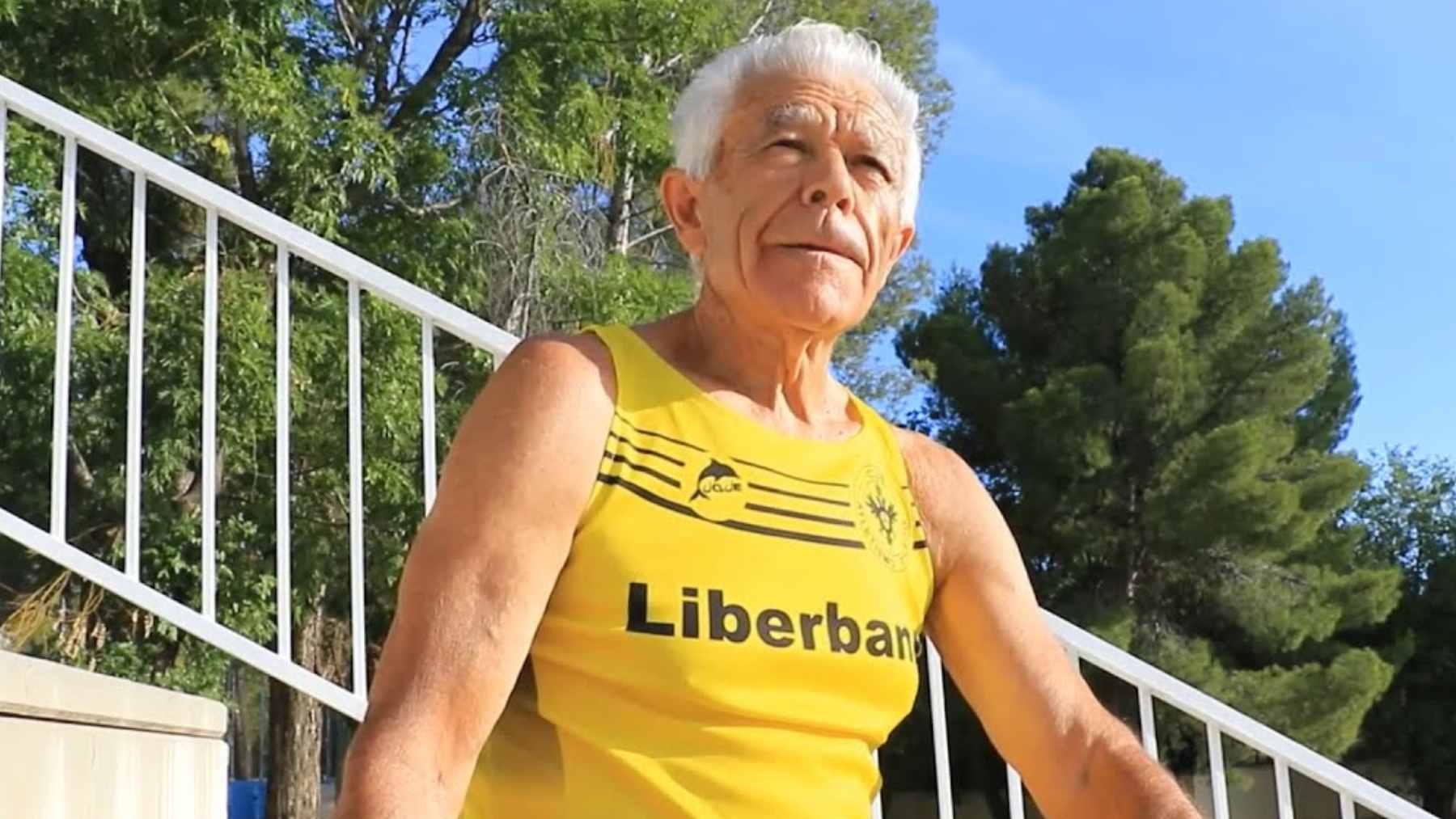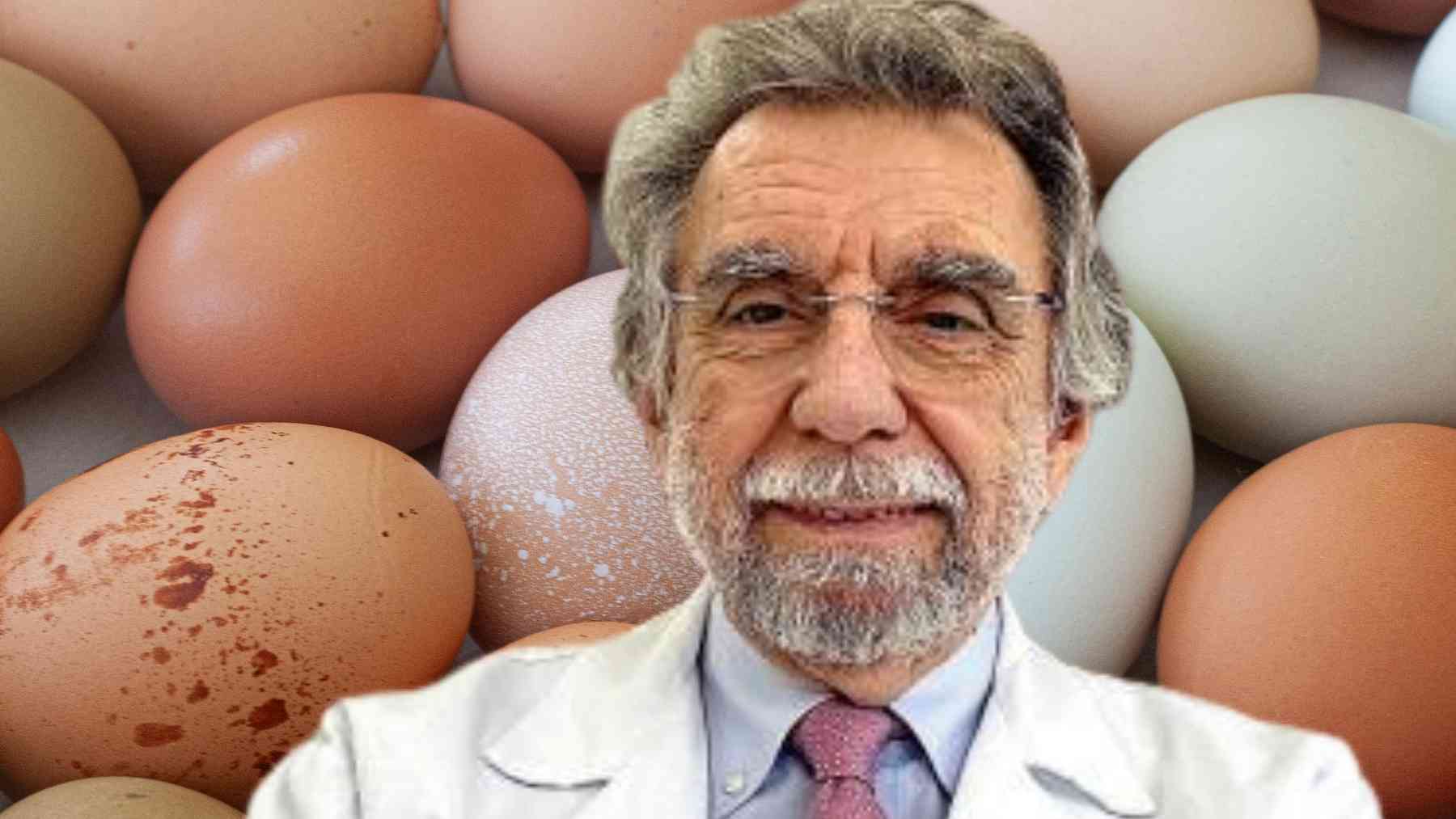
At 76, Antonio Escribano is not selling a miracle routine. The Spanish physician, nutrition specialist and sports nutrition professor says the basics still matter most for aging well, especially after 60. His message is blunt but practical. Eat real food, protect muscle, move with patience and stop treating supplements as a shortcut.
The line that stands out is simple. Escribano says “five eggs a week” can be a valid lifelong pattern because eggs provide protein, choline and other nutrients. But the bigger lesson is not really about breakfast. It is about building a body that still has reasons to stay strong.
Why eggs came up
Eggs can fit neatly into the healthy aging conversation because they bring several useful nutrients in a small, familiar package. The current Dietary Guidelines for Americans list eggs among protein foods and recommend a variety of animal and plant protein sources, including seafood, poultry, beans, lentils, nuts, seeds and soy.
Choline is part of that story, too. The National Institutes of Health says choline supports the brain and nervous system, helping with memory, mood, muscle control and cell membrane structure.
Still, this is not a license to turn one food into a magic fix. People with high LDL cholesterol, diabetes, kidney disease or specific medical instructions should personalize their eating pattern with a doctor or registered dietitian.
Protein matters more with age
Escribano argues that older adults often need more protein than the old minimum of 0.36 grams per pound of body weight per day. His suggested range is about 0.54 to 0.68 grams per pound daily, which would mean roughly 81 to 102 grams of protein for a 150-pound adult.
That does not mean eating a giant steak at dinner and calling it done. In practical terms, he recommends spreading protein across three or four meals, with options such as fish, eggs, dairy, meat, nuts and other whole-food sources.
Why does this matter? Because muscle is not just for athletes. It helps with balance, walking speed, glucose control and the everyday things that decide independence, from carrying groceries to getting up from a chair without thinking twice.
Start low, not heroic
For someone who has barely exercised for decades, Escribano says starting at 60 is still useful. The catch is how it is done. He recommends a basic medical check focused on the heart, joints, breathing and metabolic health before beginning.
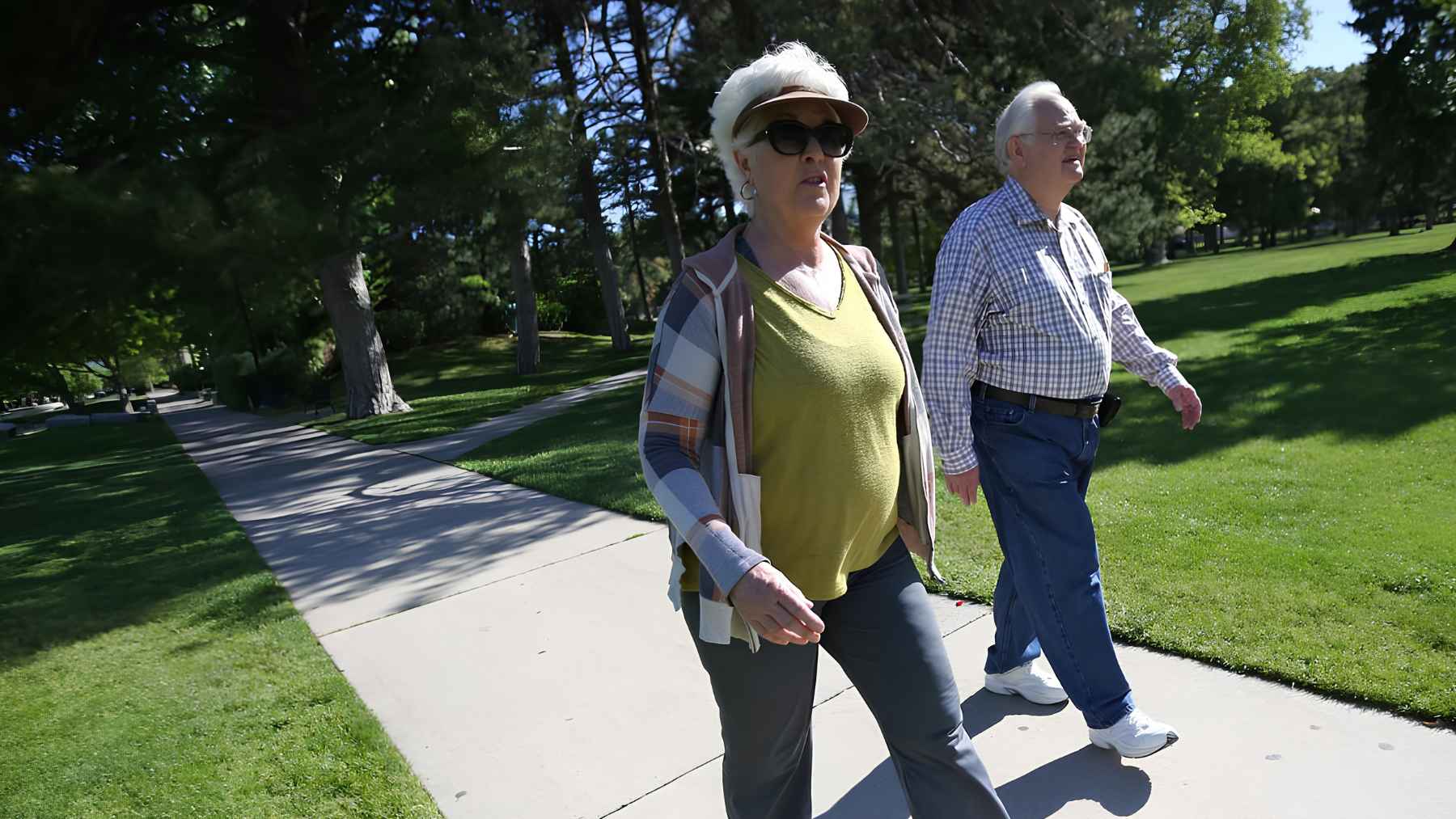
His starter plan is deliberately modest. Think walking, cycling, swimming or dancing for 10 to 20 minutes, three or four days a week, then adding light strength work with more emphasis on repetitions than intensity. No tractor tires. No sudden marathon dream after years on the couch.
U.S. guidance points in the same general direction for older adults, with weekly targets that include at least 150 minutes of moderate aerobic activity, two days of muscle-strengthening activity and balance work. But for a beginner, the first win may be much smaller. Just get moving.
The red flags
A little muscle soreness can happen when the body is adapting. That stiff morning-after feeling is familiar to anyone who has returned to exercise after a long break.
But Escribano draws a clear line around warning signs. Chest pressure, unusual shortness of breath, dizziness, instability, pain that worsens with movement or joint pain that does not settle should not be brushed off.
Medication matters as well. Many older adults take drugs for blood pressure, heart rhythm or other conditions, and those can affect how the body responds to training. That’s why the safest plan is boring in the best possible way. Check first, progress slowly and stay consistent.
Supplements are not the center
Escribano is especially skeptical of the supplement culture that surrounds casual fitness. His point is not that supplements are never used in medicine or elite sports. It is that many people buy protein powders or creatine while skipping the food and exercise habits that actually move the needle.
He puts it plainly when he says the body does not work by the rule that “more quantity does not mean more benefit.” That applies to protein, iron, fiber and almost everything else. The body needs enough, not endless extra.
For the average person training a few times a week, the smarter move is often a regular meal with protein, carbohydrates, fats, fiber and micronutrients. Less exciting than a glossy tub on the kitchen counter? Maybe. More useful for most people? Very often.
The Ozempic debate
Escribano is sharply critical of using Ozempic as a weight-loss shortcut. In the U.S., Ozempic is FDA-indicated as an adjunct to diet and exercise for adults with type 2 diabetes, along with specific cardiovascular and kidney-related uses in that population.
There is also Wegovy, another semaglutide medication, which is approved for chronic weight management in appropriate patients. Its prescribing information includes warnings and precautions such as acute pancreatitis, gallbladder disease, severe gastrointestinal reactions, kidney injury related to dehydration and other risks.
The important nuance is this. These medications can be clinically useful when prescribed and monitored properly, but they are not a substitute for muscle, food quality and long-term follow-up. A STEP 1 extension study found that one year after stopping semaglutide 2.4 mg and lifestyle intervention, participants regained two-thirds of their prior weight loss.
The real anti-aging habit
The most useful part of Escribano’s advice may be its lack of drama. He is not asking older adults to train like professionals or eat like influencers. He is asking them to keep giving the body a reason to preserve what matters.
A walk is not nothing. A short strength session is not nothing. A protein-rich breakfast, maybe with an egg, is not nothing either. Over time, these small choices become the quiet machinery of healthy aging.
At the end of the day, the formula is almost old-fashioned. Move most days, add strength, protect balance, eat enough protein and do not confuse marketing with medicine. Simple does not mean easy, but it is a good place to start.