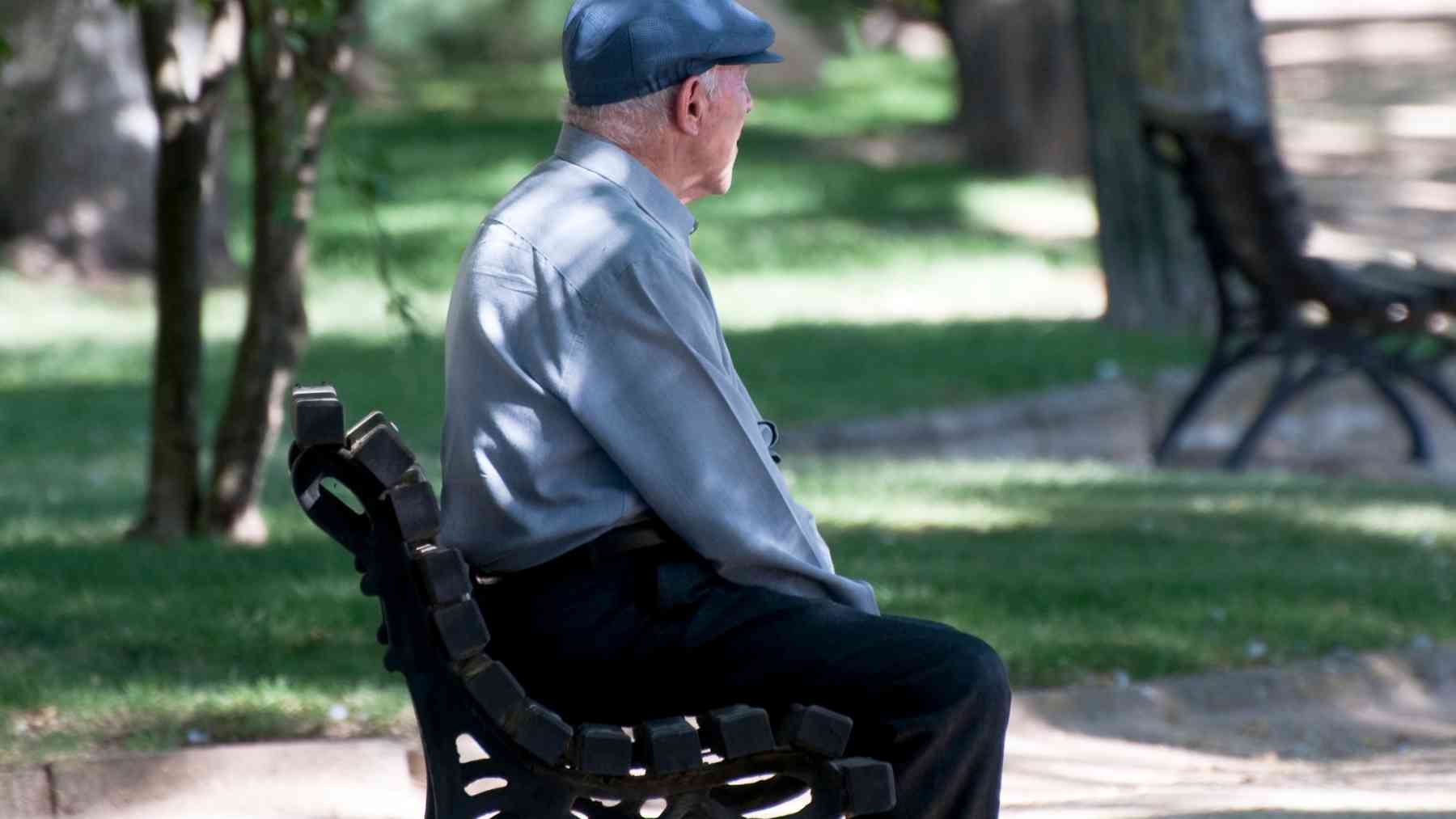
Loneliness in your 70s or 80s does not always look like an empty house. Sometimes it looks like a full Sunday lunch, a phone that still rings, and children who care deeply, but nobody in the room remembers the joke you have been telling since 1974.
That is the quieter wound researchers are now helping us understand. New studies suggest loneliness is not only about how many people are nearby, but whether a person feels known, understood, and emotionally held by the relationships around them.
The loneliness of being unknown
A “witness” is not a clinical diagnosis. It is a human word for someone who has seen your life unfold across time, from bad haircuts and first jobs to losses, marriages, moves, and the stories that became family shorthand.
When that person dies, the loss can feel strangely hard to explain. Newer friends may be kind, and family may be loving, but they did not know the old apartment, the old laugh, or the friend everyone still mentions by first name only.
Research on loneliness in later life supports this bigger picture. A life-course study in older adults found that past experiences and major life events can remain deeply relevant to loneliness later on, which is why old ties can carry emotional weight that new contact cannot instantly replace.
What the new research found
A 2026 study in JAMA Network Open looked at 7,845 adults over age 50 in England and followed them for an average of 13.6 years. The researchers studied “social asymmetry,” meaning the mismatch between objective isolation and the subjective feeling of loneliness.
That mismatch mattered. People who felt lonelier than their social situation would predict had a higher risk of all-cause mortality, cardiovascular disease, and chronic obstructive pulmonary disease compared with people whose social lives and feelings were more aligned.
Anthony Ong, a Cornell psychology professor and study co-author, put it simply. “Connection alone isn’t the whole story,” he said, noting that two people can have similar social circumstances but very different health paths depending on how they experience those relationships.
Why company is not enough
This helps explain why “just make new friends” can sound comforting but feel incomplete. In practical terms, a new friend is starting at year one, while an old friend may have carried 50 years of shared memory.
Another 2026 study in Communications Psychology tracked 157 adults for 20 days, asking them about loneliness, social interaction, rejection, and self-disclosure several times a day. The researchers found that loneliness was linked with feeling rejected or criticized, and that those moments could lead people to pull back socially.
That is where the loop can begin. “Loneliness isn’t just something people carry with them,” Ong said, adding that it can shape how people read social situations and what they do next.
The body notices too
This does not mean loneliness directly causes every illness researchers track. But it does mean persistent loneliness is not just a passing mood, especially in older adults.
The CDC says loneliness is the feeling of being alone or disconnected, while social isolation means lacking relationships, contact, or support. It also notes that even a person with many friends can feel lonely, which is exactly the gap families often miss.
The health stakes are real. The U.S. Surgeon General’s advisory reported that loneliness and social isolation increase the risk of premature death by 26 percent and 29 percent, while poor social connection is associated with a 29 percent higher risk of heart disease and a 32 percent higher risk of stroke.
Old friendships carry medicine
Older adults often benefit from maintaining existing relationships during major life changes. A 2024 study in The Journals of Gerontology found that maintaining current relationships was more strongly tied to well-being, physical health, and loneliness outcomes in older adults than it was in younger adults.
That makes sense, doesn’t it? A long friendship is not only companionship, it is also a living archive of who someone has been.
Poll data from the University of Michigan also shows how close friendships connect to health in everyday ways. Among adults 50 and older with at least one close friend, 79 percent said they could definitely count on those friends for emotional support in good times or bad.
What families can do
No one can replace a friend who knew someone for five decades. Still, families can become partial witnesses, and that small shift can matter more than it sounds.
Ask about the names in old stories. Learn who was in the wedding photo, what the old neighborhood felt like, and why one song from the 1970s still makes them smile in the grocery store aisle.
Also, let the repeated stories do their work. The point is not always new information, but the feeling that someone is helping hold the memory instead of leaving an aging parent to carry it alone.
A different kind of care
At the end of the day, caring for an older parent or grandparent is not only about appointments, pill bottles, and making sure the fridge is stocked. It can also mean remembering that they had a whole life before they became “Mom,” “Dad,” or “Grandma.”
Listen for the old references. Write down the names. Ask the follow-up question, even when you think you already know the answer.
The study was published on JAMA Network Open.