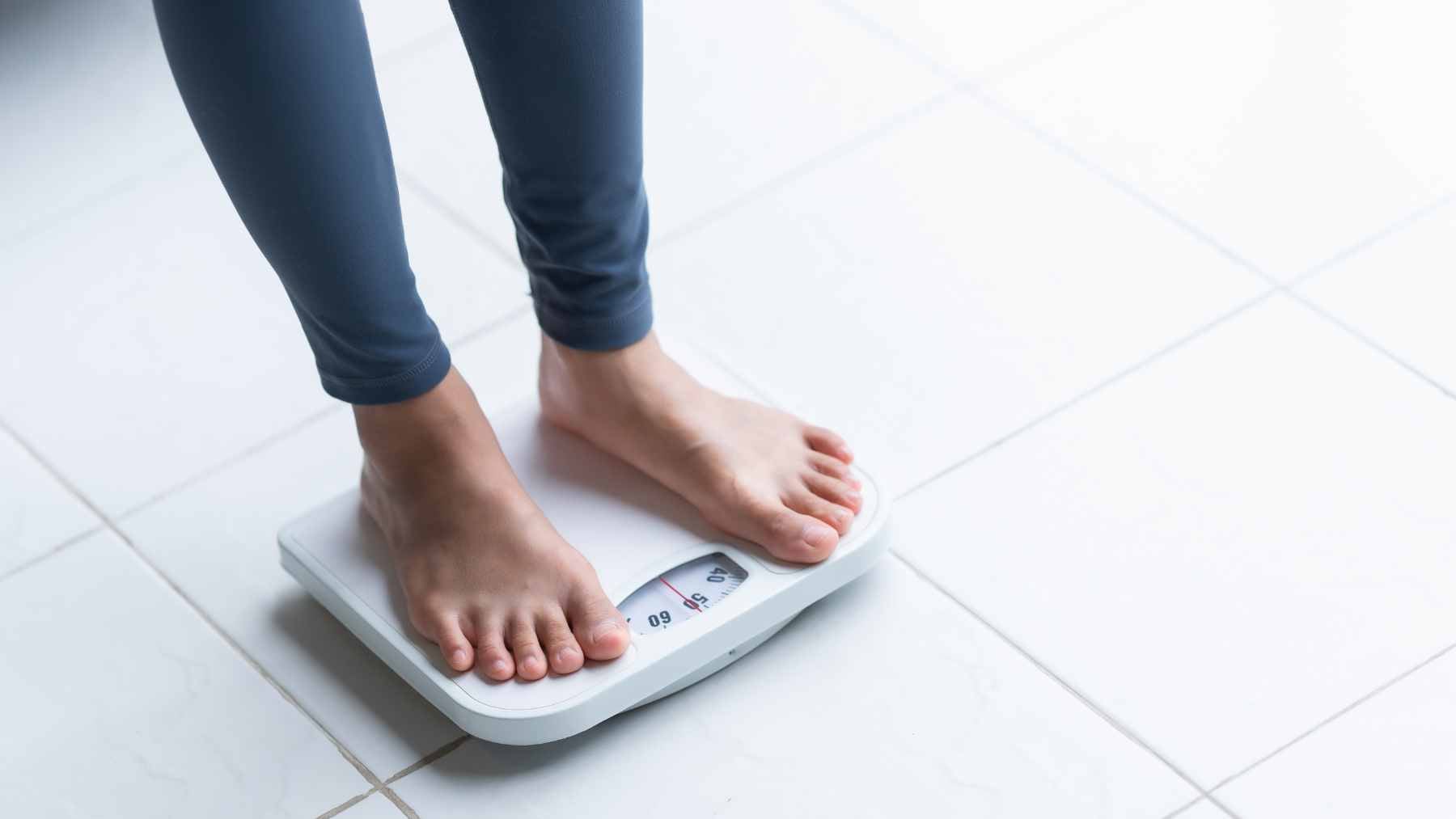
Weight loss is often sold as a simple equation: eat less, move more, try harder. But science tells a less tidy story, and for many people, that story is much more familiar than any miracle diet.
Rachel Woods, a senior lecturer in physiology at the University of Lincoln, argues that body weight is shaped by biology, genes, daily stress, food access, sleep, work, and neighborhood conditions. In other words, the number on the scale is not a moral score, it is one piece of a much larger health puzzle.
Biology fights back
When people lose weight, the body often reacts as if something is wrong. Metabolism can slow down, and hunger signals can grow stronger, pushing a person to eat more and regain lost pounds.
This is known as metabolic adaptation. A major review by Kevin Hall and Scott Kahan found that long-term weight maintenance is usually harder than the first stage of weight loss because biological, behavioral, and environmental pressures all push back.
Why would the body do this? For much of human history, storing energy helped people survive food shortages. Today, cheap high-calorie foods are everywhere, so the same survival system can work against people trying to lose weight.
It is not just willpower
Some people can keep a stable weight with little effort while others struggle for years, even when they are paying attention, cooking at home, and walking more. That difference is not only about discipline.
The Centers for Disease Control and Prevention describes obesity as a complex chronic disease influenced by health behaviors, stress, medical conditions, medications, genes, and the places where people live. Access to affordable food, safe places to move, and enough sleep all matter.
Think about real life for a second. A person working two jobs may not have time to cook, money for fresh food, or a safe sidewalk for an evening walk. That does not erase personal choices, but it does make the “just try harder” line feel painfully thin.
Calories are not the whole story
Calories still matter. But a calorie count on a package is an estimate, and people do not absorb or use energy in exactly the same way every day.
A cookie and a boiled egg may land in the same calorie range, but they do not feel the same inside the body. The cookie may bring a quick blood sugar rise and crash, while the egg usually offers more lasting fullness and nutrients.
That’s where fad diets often sneak in. Shakes, extreme rules, or cutting out entire food groups can create short-term weight loss, but they are hard to keep up and may leave out nutrients the body needs.

A steadier plan usually looks less flashy, with more whole foods, fewer takeout meals, less alcohol, and habits that can survive a busy week.
Exercise still matters
Exercise is one of the best tools for health, but it is not always a straight road to weight loss. After a hard workout, a person may sit more the rest of the day or feel hungrier at dinner without noticing it.
Research led by Herman Pontzer has shown that total daily energy use does not keep rising forever as physical activity increases. The body can adapt by saving energy elsewhere, which helps explain why exercise alone may not deliver the scale changes people expect.
Still, movement is not wasted. The National Institute of Diabetes and Digestive and Kidney Diseases says regular physical activity can help prevent or delay type 2 diabetes, heart disease, high blood pressure, and stroke, while also supporting mood and quality of life.
That is a big win, even when the bathroom scale barely moves.
Health is bigger than weight
Here is the part many people miss: getting healthier does not always require losing weight first.
Better food choices and more regular movement can improve blood pressure, cholesterol, blood sugar, and insulin sensitivity, even when body weight stays roughly the same.
A review in Nutrition Journal also warned that a heavy focus on weight can bring unintended harms, including repeated weight cycling, lower self-esteem, and more stigma.
None of this means weight never matters. For some people, intentional weight loss can reduce health risks, especially with medical support. But for the most part, health is better measured by patterns people can actually live with.
So what should people focus on? Nourishing meals, enjoyable movement, better sleep, and stress management may sound ordinary, but ordinary is often what lasts. Small changes add up.
The main work has been published in The Conversation.