
Dale Carnegie’s best-known lesson about human behavior still lands because it describes a familiar moment. You can bring facts to a disagreement, explain them carefully, and still watch the conversation go nowhere.
A common condensed version of his message says, “When dealing with people, remember that you are not dealing with rational beings, but with emotional beings.” The point is not that reason is useless. It is that feelings often shape what people notice, trust, and accept before logic gets a fair hearing.
The meaning behind the warning
Carnegie was challenging a basic mistake in persuasion. People are not calculators waiting for the strongest argument, because pride, fear, anger, hope, and past experience can affect how any message is received.
Being correct is rarely enough on its own. Harsh criticism can make someone defend a weak position, while sincere appreciation and careful listening can lower resistance and create room for a better conversation.
That does not mean using emotion to trick people. For the most part, Carnegie’s method asks the speaker to show respect first, understand the other person’s interests, and then present an idea in a way that feels relevant to them.
What neuroscience adds
Modern research broadly supports the core insight, although science describes it with more nuance. A major 2015 review led by Jennifer Lerner at Harvard Kennedy School found that emotions can be powerful and predictable drivers of judgment, sometimes helping decisions and sometimes distorting them.
Neuroscience also suggests that emotion and reason do not operate like two separate switches. Feelings can change the “subjective value” of an option, which means how rewarding, risky, or important that choice seems to a particular person at that moment.
So, should every feeling be trusted? No. The stronger lesson is that sound judgment often requires noticing emotion, checking it against evidence, and understanding that pretending to be emotionless does not make a decision rational.
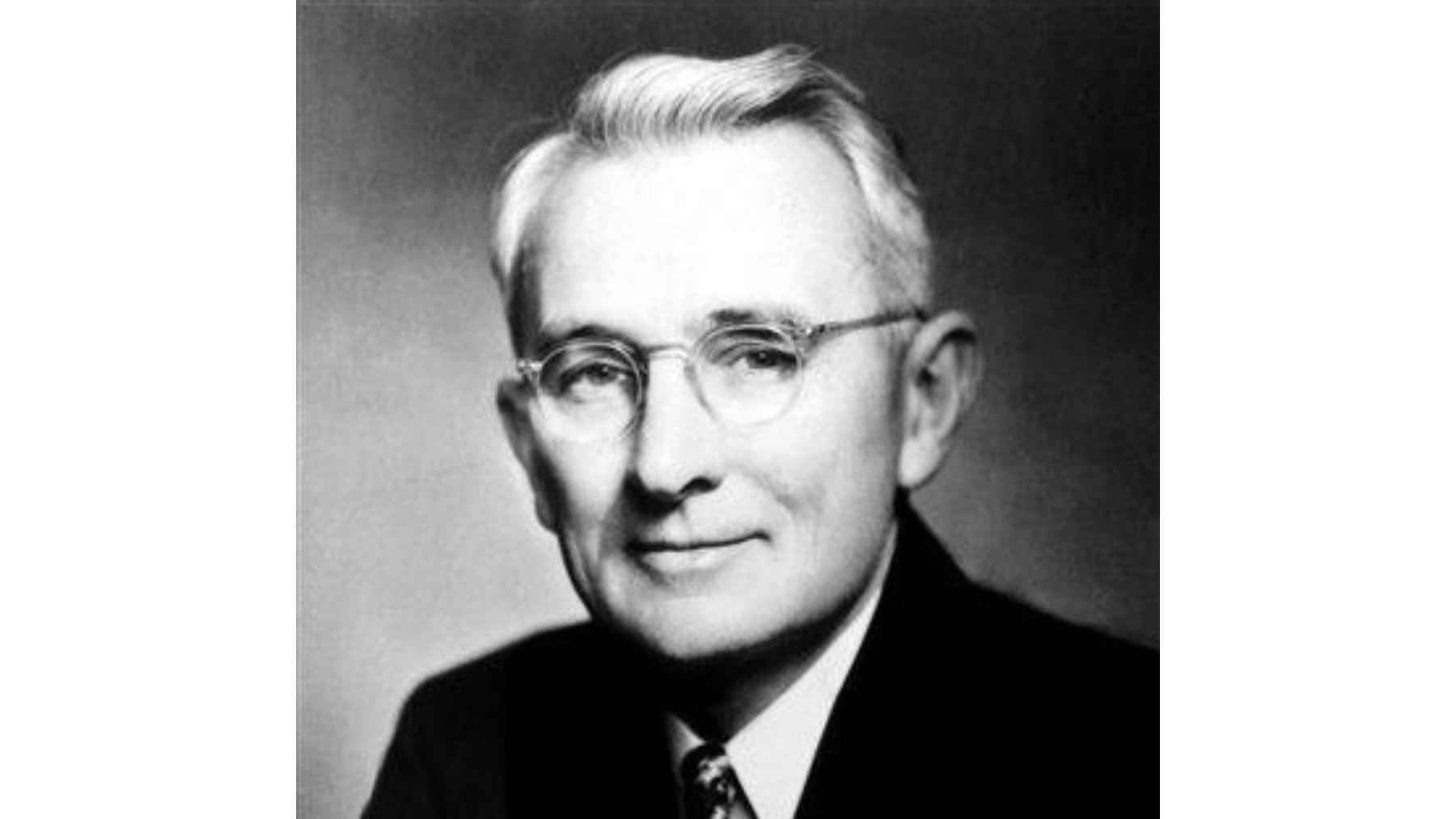
Dale Carnegie’s ideas on communication, emotional intelligence, and leadership continue to influence readers nearly a century after his best-known book was published.
Connection comes before persuasion
The practical advice in How to Win Friends and Influence People follows that same sequence. Carnegie emphasized sincere appreciation, attentive listening, and genuine interest in what another person thinks or needs.
Consider a manager who has the right numbers but dismisses an employee’s concern. The spreadsheet may be accurate, yet the message can still fail because the employee hears disrespect before hearing the evidence.
The same pattern appears in sales, leadership, family arguments, and customer service. People are more willing to consider an uncomfortable fact when they do not feel belittled, ignored, or cornered.
The 1936 book behind the idea
How to Win Friends and Influence People was first published in 1936 and became one of the best-known books in the self-improvement field. Its publisher says it has sold tens of millions of copies and has been translated into almost every written language.
Its staying power comes partly from its practical focus. Rather than offering an abstract theory of personality, the book gives readers habits they can use in meetings, conversations, negotiations, and everyday disagreements.
The language can sound old-fashioned in places, and some examples belong clearly to another era. But the central question remains current. How do you get another person to listen without turning the exchange into a contest of pride?
From salesman to speaking teacher
Carnegie was born on Nov. 24, 1888, on a farm near Maryville, Missouri. Before becoming an author, he worked in sales, including a period with Armour & Company, and later pursued acting and public speaking.
After leaving commercial work in 1911, he went to New York and eventually began teaching communication classes to adults at a YMCA. The program that became the Dale Carnegie Course dates its beginning to 1912.
Accounts of an early class say he ran short of prepared material and asked participants to speak about something that made them angry.
Once they connected with a real emotion, they spoke with more confidence and natural force. The episode helps explain his later book, because he learned that people communicate more powerfully when a subject matters to them emotionally.
Why the advice still matters
Today, a rushed email, a sharp message, or a tense meeting can turn a small disagreement into a much larger one. Logic may be present, but tone, timing, and the feeling of being respected can decide whether anyone listens.
Carnegie’s message is not to abandon evidence or let emotion rule every choice. It is to recognize the order in which communication often works. First create enough trust for the facts to be heard, then let those facts do their job.
That sounds simple. In real life, it may be one of the hardest communication skills to practice consistently.
The work discussed here was published by Simon & Schuster as How to Win Friends and Influence People.