Soaking a handful of dates overnight and eating them after waking has become a popular wellness ritual.
Online claims connect the habit with easier digestion, steadier blood sugar, stronger bones, headache relief, and sharper memory, although several of those claims actually refer to bananas and spinach rather than dates. So what can dates themselves really do?
The evidence points to a useful food, not a miracle treatment. Dates provide fiber, natural sugars, potassium, magnesium, and plant compounds, but soaking has not been shown to unlock special nutrients or make the fruit capable of treating diabetes, heart disease, back pain, or memory problems.
What soaking really changes
Leaving dates in water makes their flesh softer and easier to chew, mash, or blend into oatmeal and yogurt. That can be practical for someone who finds dried fruit tough or wants a faster breakfast.
But published human research has focused on eating dates, not on comparing overnight-soaked dates with unsoaked ones. Based on the available studies, soaking mainly changes texture and water content.
There is also no solid evidence that eating dates in the morning works better than eating the same portion later.
Dates can support regularity
One pitted Medjool date provides roughly 66 calories, 16 grams of naturally occurring sugar, 1.6 grams of fiber, and less than half a gram of protein. It contains almost no fat. Two dates add about 3.2 grams of fiber, but they do not provide all the protein or healthy fat the body needs.
Fiber can help make stool easier to pass, especially when paired with enough fluid. The National Institute of Diabetes and Digestive and Kidney Diseases advises adults to get about 22 to 34 grams of fiber daily and says, “Drink plenty of liquids to help the fiber work better.”
A small human trial led by Noura Eid at the University of Reading gives dates some support here. The trial recruited 22 healthy volunteers and tested seven dates a day for 21 days.
Among the 21 who completed it, researchers recorded more frequent bowel movements, although the study tested ordinary dates rather than an overnight-soaking ritual.
Blood sugar needs context
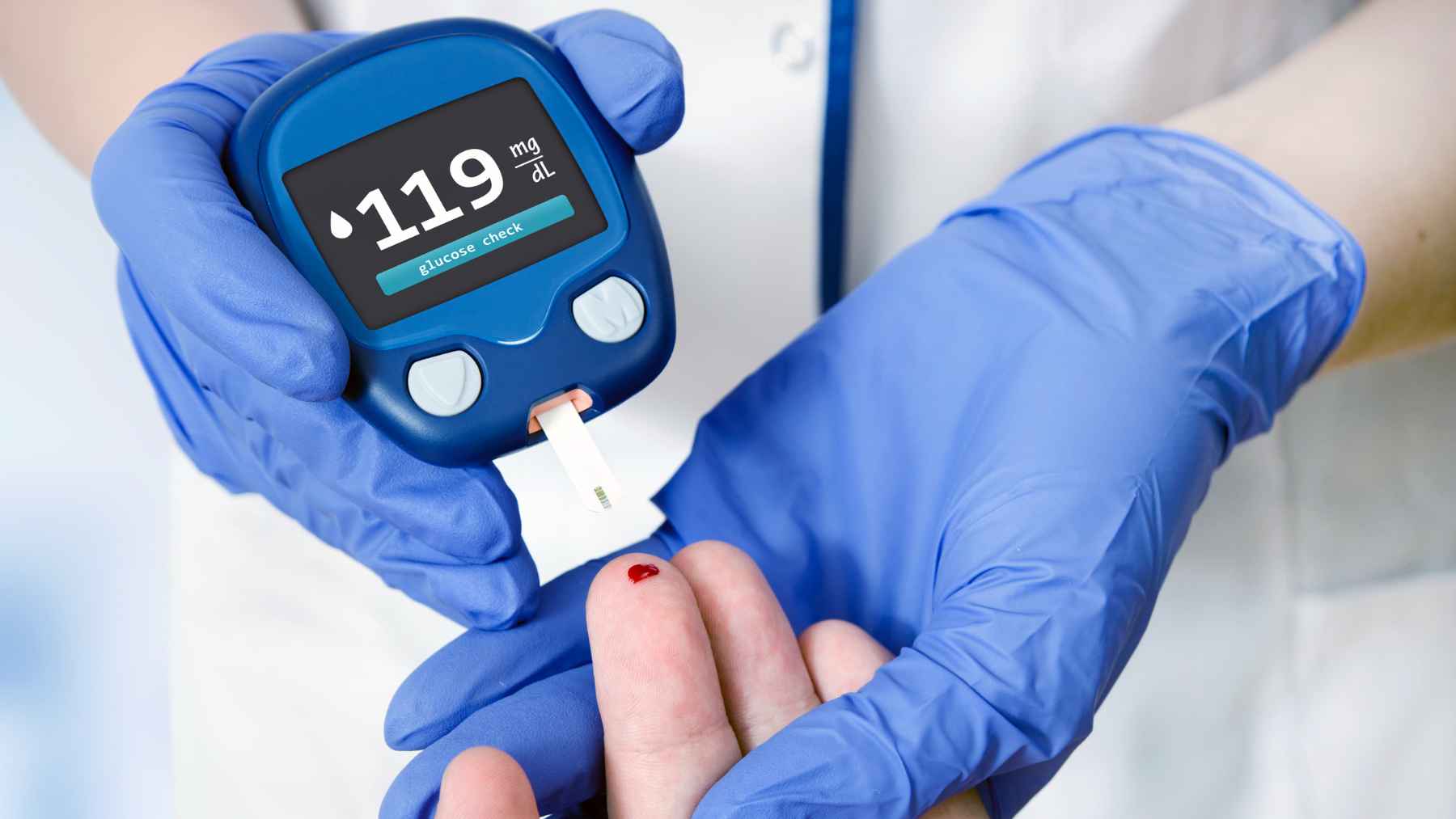
The glycemic index describes how quickly a carbohydrate food raises blood glucose compared with pure glucose. In a 2011 trial, five date varieties produced low glycemic index values in 13 healthy adults and 10 people with well-controlled type-2 diabetes.
That suggests some dates can fit into a balanced diet when portions are considered.
Still, “low glycemic” does not mean sugar-free or unlimited. Alexandra Butler and colleagues at the Royal College of Surgeons in Ireland-Bahrain followed 79 adults with type-2 diabetes who ate about 2 oz. of dates or raisins daily for 12 weeks. Dates did not worsen the main blood sugar measures, but they also did not improve them.
Portion size is the part viral posts often skip. A few large dates can add substantial sugar and calories before the rest of breakfast reaches the table. People monitoring blood glucose should count dates as a carbohydrate food rather than treat them as a diabetes remedy.
Protein fat and mineral claims
Dates contain some potassium and magnesium, along with smaller amounts of calcium and phosphorus. These minerals support normal nerve, muscle, heart, and bone function as part of an adequate diet. But a date is not a concentrated calcium food, a high-protein snack, or a meaningful source of healthy fat.
Magnesium research also needs careful wording. The National Institutes of Health reports that magnesium is involved in cardiovascular health, bone health, and migraine biology, but evidence for supplements is limited or modest in several areas.
That does not prove soaked dates prevent heart disease or relieve headaches.
The same caution applies to back pain and bone strength. No clinical evidence shows that soaked dates relieve back pain or strengthen bones on their own. Food supports the body over time, but it rarely works like a painkiller.
The memory claim comes from another food
The brief links vitamin B3 and folate with faster brain function and better memory, but it identifies spinach as the source. It also attributes a low glycemic index and blood sugar protection to bananas. Neither statement is evidence for a date-based morning routine.
Dates contain small amounts of several B vitamins, but no human trial discussed here shows that soaking them overnight improves memory. A nutrient’s presence does not automatically prove a medical effect. The gap between “contains” and “cures” is wide.
A realistic morning routine
For most healthy adults, one or two dates can add sweetness, fiber, and minerals to breakfast. Soaking is optional and may be worthwhile for texture, while plain yogurt, nuts, eggs, or another protein-rich food creates a more complete meal. Simple works.
Dates can support a balanced diet and may help regularity, but the evidence does not justify the larger promises attached to the overnight ritual.
The main human digestion study discussed here was published in the British Journal of Nutrition.