That glass of red wine, square of chocolate, or slice of aged cheese may seem harmless. For some people with migraine, however, those foods could sit alongside poor sleep, skipped meals, stress, and dehydration as part of the pattern that ends in a dark room and a lost day.
Spanish neurologist Juan Manuel Ceballos has urged patients to pay attention to nutrition, exercise, and sleep. His warning is useful, but the evidence also calls for nuance. These foods do not reliably trigger migraine in everyone, and broad elimination diets can create more problems than they solve.
Migraine is more than a headache
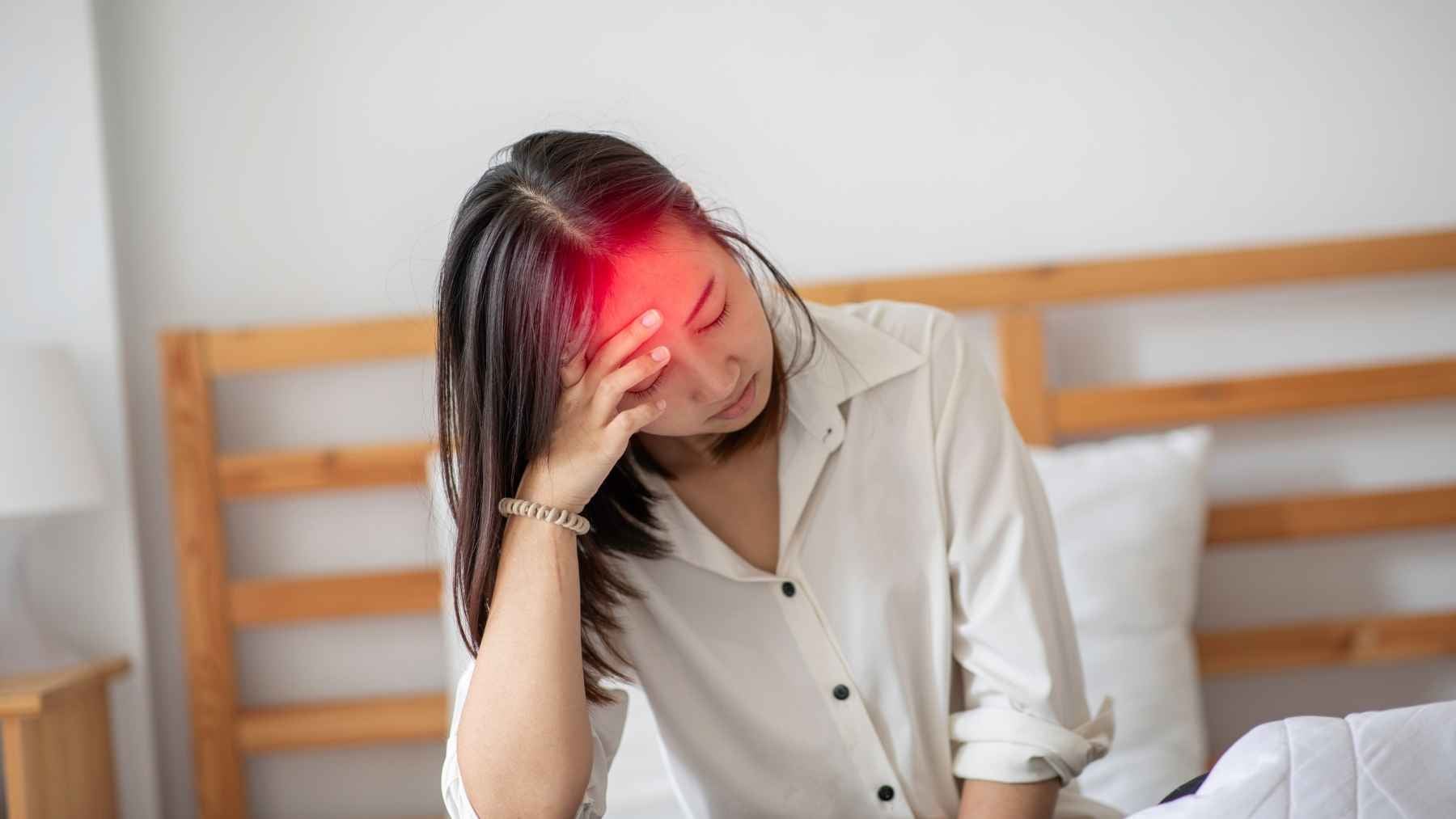
“Migraine is a type of headache that limits patients’ quality of life,” the specialist says. An attack may bring intense pain, nausea, vomiting, and unusual sensitivity to light and sound, known as photophobia and phonophobia.
The condition is both common and disabling. The World Health Organization says headache disorders affected about 3.1 billion people in 2021, while migraine ranked third in overall neurological disease burden. A typical migraine attack lasts from four to 72 hours.
Why these foods get blamed
“Adjust nutrition,” he advises. The doctor recommends avoiding alcohol and singles out red wine because it contains substances that may increase the chance of head pain. He also points to chocolate and aged cheese, foods that have appeared on migraine trigger lists for years.
The American Migraine Foundation lists red wine, chocolate, and aged cheese among commonly reported triggers, along with cured meats and some food additives. But evidence that these foods consistently cause attacks is limited.

An episode often emerges when several pressures stack up at once, rather than because of one bite or one glass.
Chocolate may be an early warning
This is where the story gets interesting. A craving for chocolate can appear during the prodrome, the early phase that may begin up to two days before head pain. The person eats chocolate, the migraine follows, and the snack takes the blame even though the attack may already have started.
That is why specialists advise against clearing every suspected food from the kitchen at once. A better approach is to test one possible trigger carefully, ideally with medical or dietitian guidance, while keeping meals regular and nutrition balanced.
Routine can matter more than one food
“Physical exercise is fundamental,” the neurologist says, and he also stresses healthy sleep habits. The American Headache Society supports a consistent routine that includes regular sleep, balanced meals, hydration, manageable exercise, and stress control.
The goal is avoiding long gaps between meals and trying not to swing between five hours of sleep on weekdays and ten on weekends. A brisk walk may be easier to sustain than a punishing workout, especially on a dehydrated day. For the most part, the migraine brain prefers fewer surprises.
Use a diary before banning foods
A headache diary can show whether wine, cheese, chocolate, a missed lunch, a late night, menstruation, or stress repeatedly appears before attacks. Record the timing, amount, sleep, hydration, symptoms, and medicines taken, not just the last thing eaten.
Patterns matter more than isolated coincidences. If the same food repeatedly precedes an attack under similar conditions, a clinician may suggest a time-limited trial without it, followed by reassessment. That is safer than a rigid diet that removes several nutritious foods indefinitely.
Treatment goes beyond lifestyle
“Today we have a large therapeutic arsenal,” he says. Acute treatments are taken to shorten or ease an attack, while preventive treatments aim to reduce how often attacks occur and how severe they become.
Options can include over-the-counter pain relievers, triptans, anti-nausea medicines, newer drugs that block a migraine-related chemical messenger called CGRP, and preventive tablets or injections.
Current clinical guidelines recognize CGRP-targeting medicines as a first-line preventive option for suitable patients. The right choice still depends on attack frequency, other health conditions, pregnancy status, side effects, and medication overuse risk.
Anyone with frequent, worsening, or hard-to-control attacks should seek medical advice. A sudden “worst-ever” headache, new weakness, confusion, trouble speaking, fever, stiff neck, seizure, or pain after a head injury needs urgent evaluation because it may not be migraine.
The takeaway
Should everyone with migraine give up cheese, chocolate, and wine? No. The warning is best used as a prompt to watch personal responses, not as a universal food ban.
Food can be one piece of the puzzle, but sleep, hydration, regular meals, exercise, stress, hormones, and treatment all shape risk. The goal is not a perfect diet. It is a pattern that produces fewer lost hours and more predictable days.
The video has been published by Hospital Centro de Andalucía.