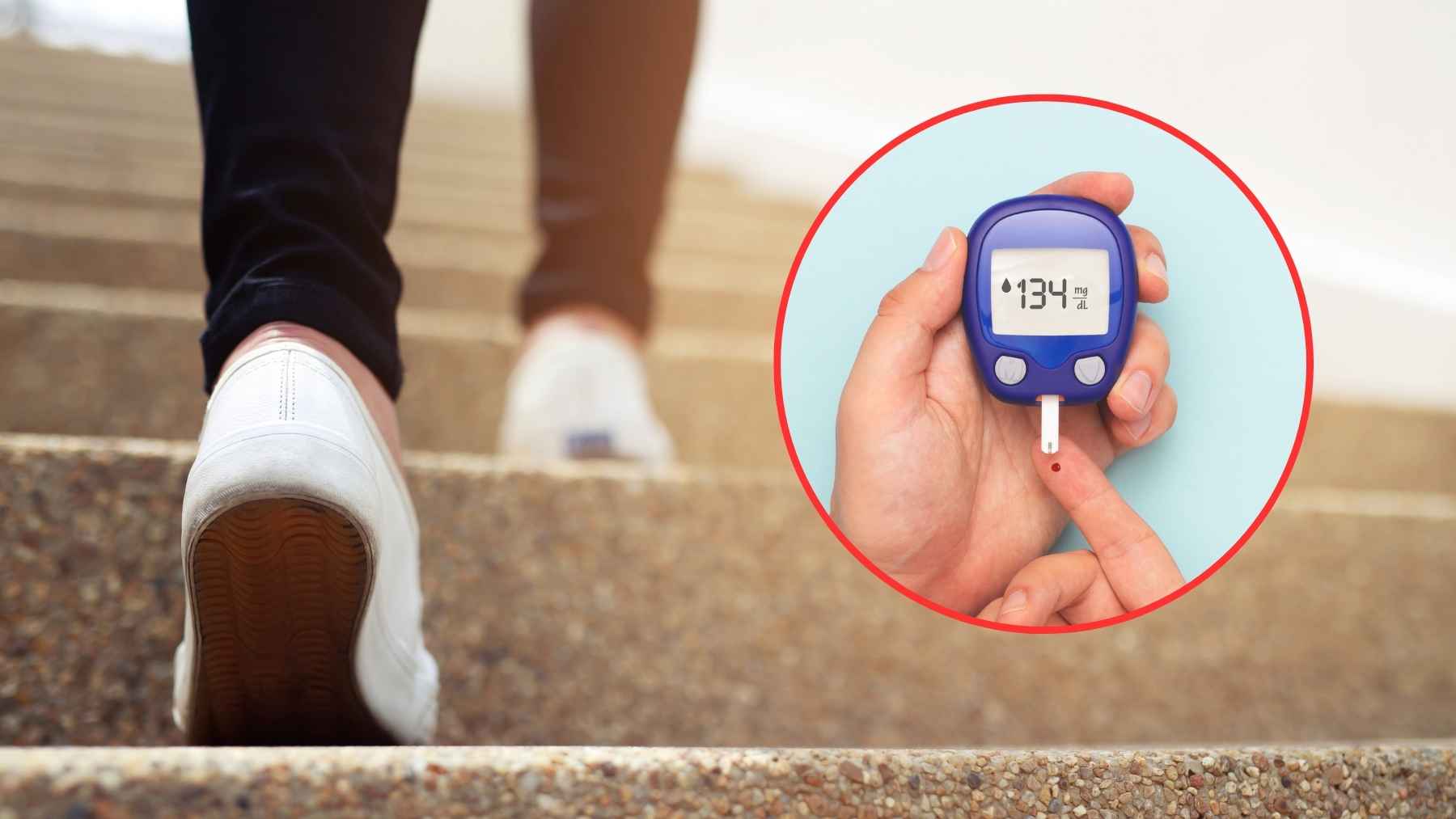
If you are over 60 and trying to shrink belly fat, you have probably noticed it does not budge easily. A new analysis suggests exercise can trim the waistline and lower several blood markers tied to chronic inflammation, although the average changes were modest.
The work was led by Yangjun Liu and colleagues across the Chengdu University of Traditional Chinese Medicine and the Gdansk University of Physical Education and Sport. The paper was published January 6, 2026, and it hints that some blood markers may improve within months, while weight-related measures tend to take longer.
What doctors mean by abdominal obesity
Abdominal obesity is not just about how jeans fit. It usually refers to extra fat stored deep in the belly area, which is linked to higher risks for type 2 diabetes and heart problems, including high blood pressure.
Researchers often track it using waist size because it is simple and surprisingly informative. A growing waistline tends to move in the same direction as poor blood sugar control, higher cholesterol, and a cluster of problems sometimes called metabolic syndrome.
How the researchers pulled the evidence together
The team searched six major scientific databases through February 20, 2025, then screened thousands of records and kept only randomized controlled trials that compared an exercise group with a non-exercise control group. They followed the PRISMA Statement guidelines, and they registered the review protocol in PROSPERO.
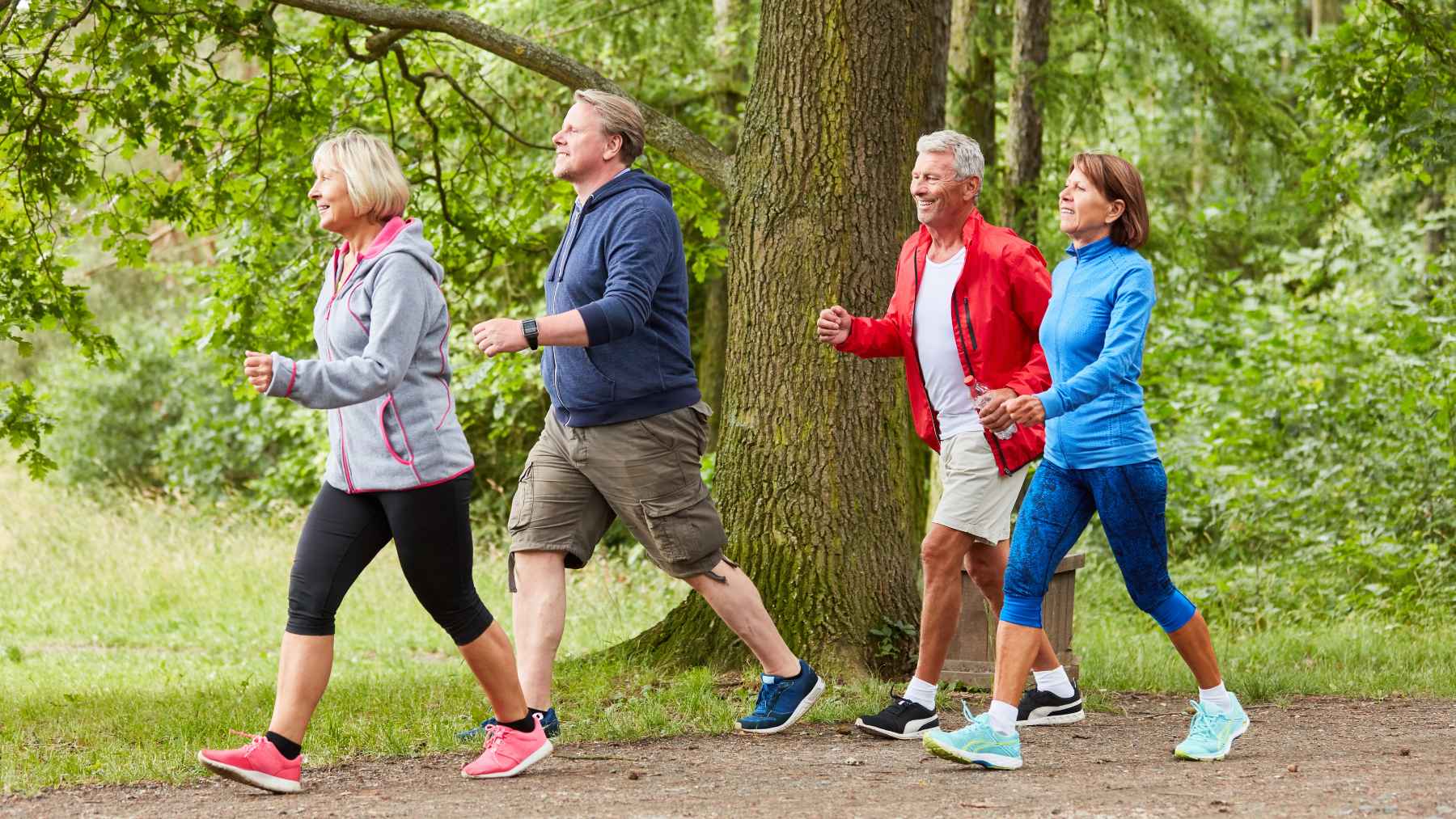
In total, they included 19 trials with 1,130 participants. The studies tested aerobic exercise like walking, resistance training like weights or bands, or a mix of both.
What changed in waist size and body weight
Across the trials, exercise lowered waist size by about 0.8 inches on average. That might not sound dramatic, but it is a measurable shift, especially for older adults who often find fat loss slower than it was decades earlier.
Body mass index also dropped, by about half a point. The analysis suggested that longer programs, six months or more, tended to do better for weight-related measures, which fits what many people see in real life.
Inflammation markers also moved in a healthier direction
The researchers focused on several blood markers linked to long-term, low-grade inflammation, the kind that can quietly build in the background for years. Exercise was tied to small but significant drops in C-reactive protein, a marker of inflammation that doctors sometimes use when assessing cardiovascular risk.
Two other markers, tumor necrosis factor alpha and interleukin 6, also decreased on average. The pattern was not identical for every group, though, and results varied more widely for inflammation than for weight.
Why intensity and timing mattered
One of the more practical findings was that intensity seemed to matter for some markers. Vigorous activity, which can include faster cycling or even careful bouts of running, appeared more effective than moderate activity at lowering tumor necrosis factor alpha.
Timing also showed a split. Shorter programs under six months seemed to move inflammation markers more, while longer programs were better at improving body mass index, suggesting different benefits may show up on different clocks.
What did not change and why that matters
Not every marker budged. The analysis did not find a meaningful change in adiponectin, a hormone linked to how fat tissue and metabolism behave, even though some smaller studies have suggested it might rise with exercise.
That result does not mean exercise is not working. It may mean that this hormone takes longer to shift, needs bigger fat loss, or is strongly influenced by diet and medications that were not consistently tracked in the trials.
How this fits with earlier research
The paper also helps explain why older studies have sometimes disagreed. Exercise programs differ a lot across trials, and older adults included in research can range from healthy retirees to people managing diabetes or other chronic conditions.
The authors pointed to earlier evidence in the field, including a 2018 meta-analysis on resistance training and inflammation in older adults in Experimental Gerontology and a 2019 systematic review of aerobic exercise and inflammatory markers in Frontiers in Aging Neuroscience. Put together, the message is consistent for the most part, but details depend on who is exercising, how hard, and for how long.
What this could mean in real life
For many older adults, the key takeaway is not that one “perfect” workout exists. It is that a mix of activity styles can help, and sticking with it may be just as important as chasing intensity, especially when everyday factors like diet, stress, and even sleep affect recovery.
So what should someone do on Monday morning? The study does not prescribe a single routine, but it supports the idea that regular movement, whether it is brisk walking, strength training, or both, can make a real difference for the waistline and for inflammation-related health signals.
The main study has been published in Frontiers in Sports and Active Living.