The choice between tea and coffee may feel like one of the smallest decisions of the day. But for older women, that daily cup could be tied to something much bigger than a morning routine.
A long-running study of nearly 10,000 women found that regular tea drinkers had slightly higher hip bone density than women who did not drink tea, while very heavy coffee intake raised more concerns. The message is not to panic over coffee, it is that small habits, repeated for years, may quietly add up.
Why bones matter
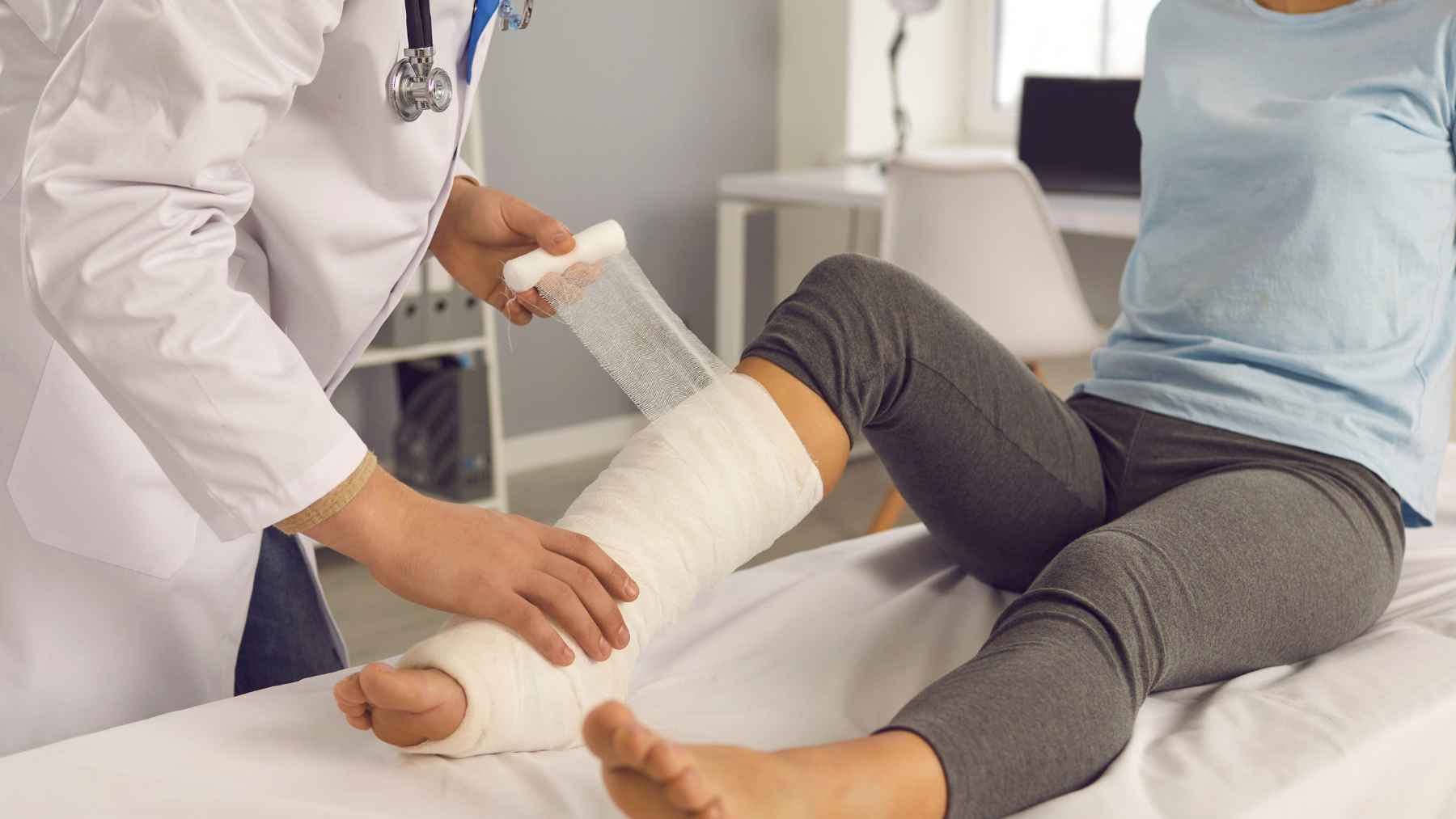
Osteoporosis happens when the body loses bone faster than it can rebuild it. The result is weaker, more fragile bones that can break after a fall, a hard twist, or sometimes even a small accident at home.
This matters a lot after midlife. Osteoporosis affects about one in three women over 50, and the risk rises after menopause because estrogen, a hormone that helps maintain bone, drops sharply.
What scientists studied
Ryan Yan Liu and Adjunct Associate Professor Enwu Liu, working with Flinders University, examined data from the Study of Osteoporotic Fractures. The analysis included 9,704 mostly white American women aged 65 and older who were followed across about 10 years.
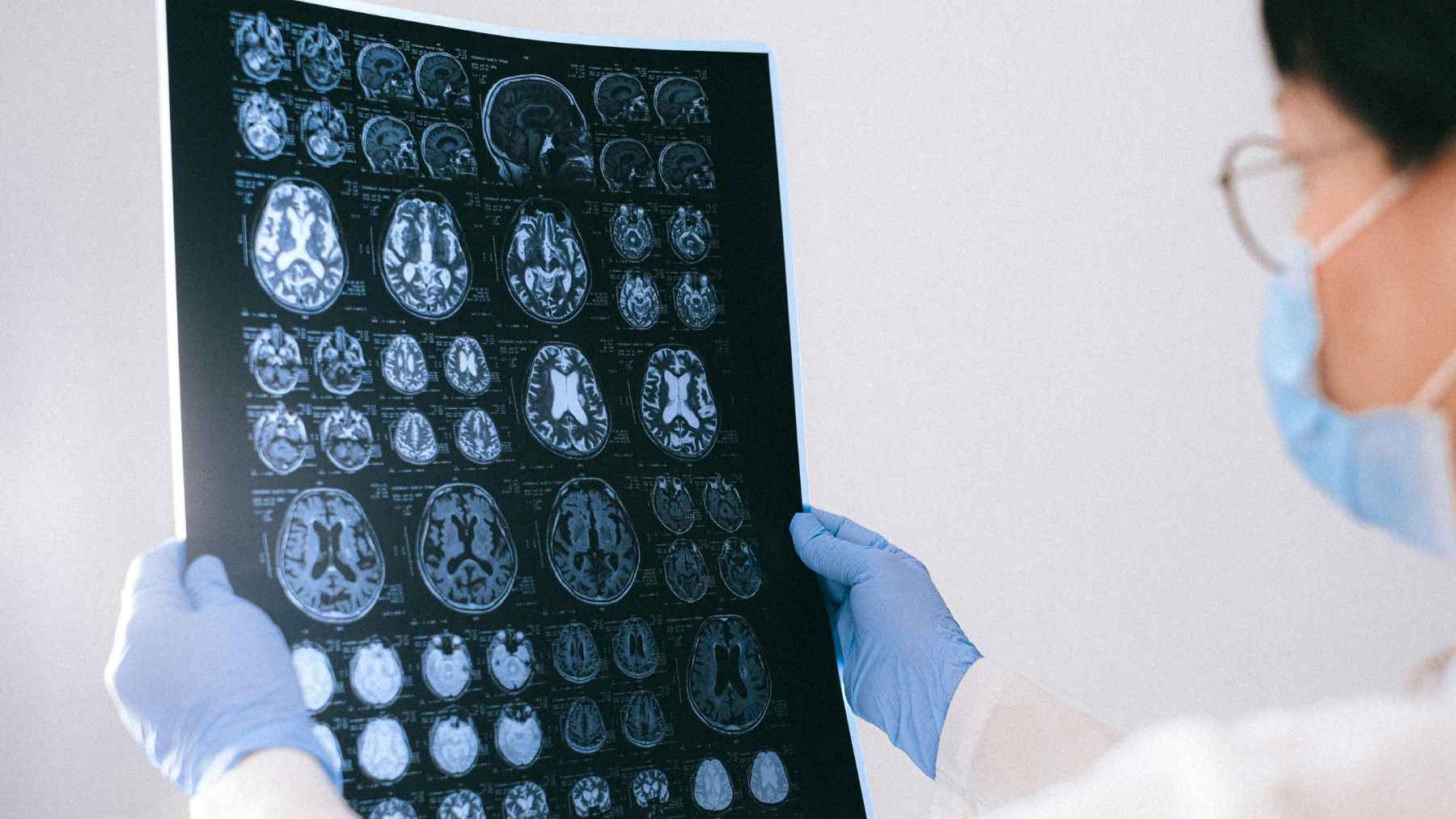
The women reported how much tea and coffee they drank at four different points. Researchers also measured bone mineral density at the hip and femoral neck, the narrow upper part of the thigh bone that connects to the hip.
Bone mineral density is a way of measuring how much mineral is packed into bone. Higher density usually means stronger bone, while lower density can point to a higher chance of osteoporosis and fractures.
Tea showed a small edge
The clearest finding was modest but meaningful. Women who drank tea had slightly higher total hip bone density than women who did not, and even a small difference can matter when millions of older women face fracture risk.
Why would tea help? One possible answer is catechins, natural plant compounds found in tea that may encourage bone-building cells and slow bone breakdown.
“Even small improvements in bone density can translate into fewer fractures across large groups,” the senior researcher said. It is not magic in a mug, but it could be one more nudge in the right direction.
Coffee was more complicated
Coffee did not come out as the villain. For the most part, moderate coffee drinking, about two to three cups a day, did not appear to harm bone health in the study.
The picture changed at the high end. Women who drank more than five cups a day were more likely to show lower bone density, which fits with earlier laboratory work suggesting caffeine can slightly interfere with calcium absorption and bone metabolism, the body’s process of renewing bone.
There was another wrinkle. Coffee was linked to lower femoral neck bone density among women with higher lifetime alcohol intake, suggesting that heavy coffee and alcohol may be a tougher combination for bones than either habit alone.
Not a cure
Could one cup of tea prevent osteoporosis? No. Bone health still depends heavily on calcium, vitamin D, exercise, not smoking, safer fall prevention, and medical care when needed.
The researchers were careful about the limits of their work. The study was observational, meaning it can find links but cannot prove that tea directly caused stronger bones, and its mostly white participant group may limit how widely the results apply.
“Our results don’t mean you need to give up coffee or start drinking tea by the gallon,” the same researcher said. “But they do suggest that moderate tea consumption could be one simple way to support bone health, and that very high coffee intake might not be ideal, especially for women who drink alcohol.”
A small daily choice
Still, the finding is useful because it is practical. For an older woman choosing between a sixth coffee and a cup of tea, the study gives a gentle reason to pause, especially if alcohol is also part of the picture.
At the end of the day, this is about balance, not fear. A daily cup of tea may be a comforting ritual, and for some older women, it could also be a small step toward stronger bones.
The main study has been published in Nutrients.