Most runners and gym regulars know the feeling. Tight hips after a run, heavy legs after squats, stiff shoulders after a long day at a desk.
A 10-minute no-equipment mobility routine from personal trainer and strength coach Caroline Idiens, founder of Caroline’s Circuits, is designed to make that daily stiffness harder to ignore.
A recent trial of the routine found that two short sessions a week were enough to make rest days feel more useful. The tester reported less post-run stiffness, easier recovery after leg workouts, and a surprising lift in energy, although it is still too early to claim major changes in running or strength performance.
Why mobility matters
Mobility is the ability to move a joint through a useful range while staying in control. It is not just about being flexible or “bendy.” Your muscles, joints, and nervous system all have to work together.
The trainer explained it in simple terms. “Mobility is what lets you use your strength effectively,” she said, adding that it supports posture, balance, and coordination as people get older.
A short morning routine
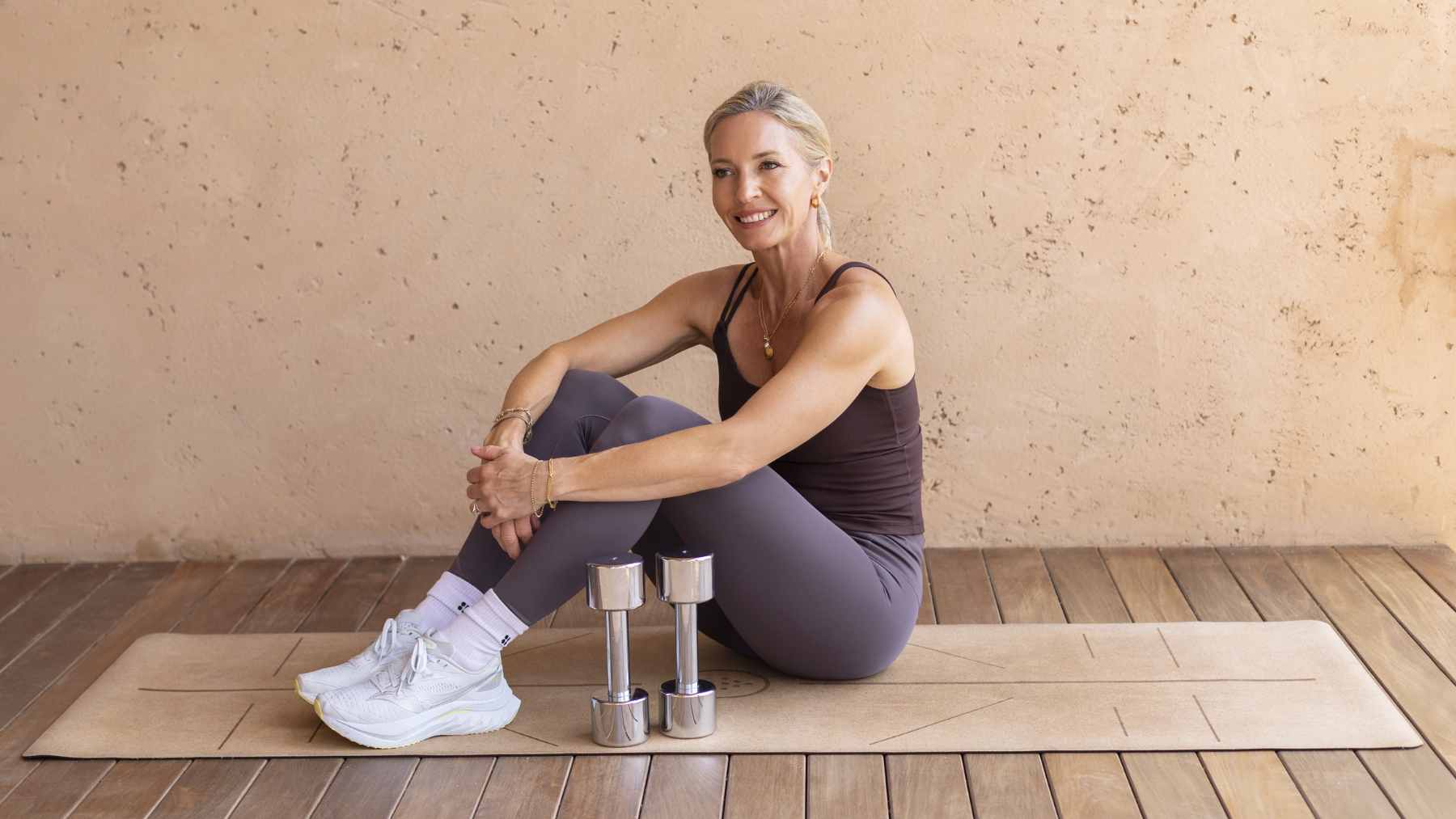
Her morning sequence includes 16 exercises, with 10 to 15 repetitions of each move. That may sound like a lot before coffee, but the routine can be done in about 10 minutes when performed at a steady pace.
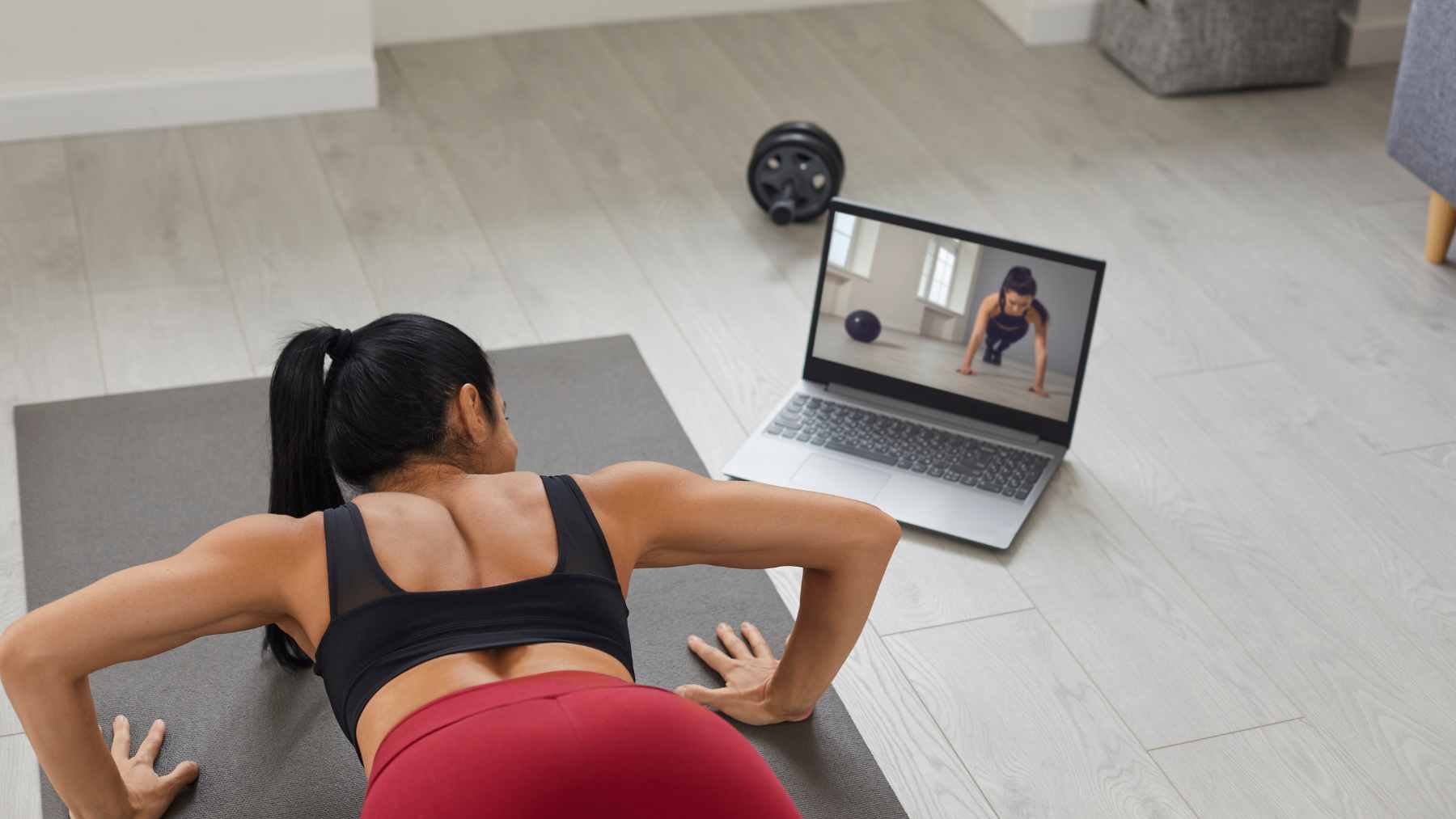
No gym is needed. No weights, machines, or long warmup either. In practical terms, that means it can fit beside a bed, on a living room rug, or anywhere with enough space to move your arms and legs.
What changed after trying it
The tester added the mobility routine twice a week on rest days. After a few weeks, the biggest change was not a dramatic performance leap, but a better sense of recovery and readiness.
That matters. Anyone who runs, lifts, or sits for long stretches knows how small aches can quietly build up. A short session that eases stiffness may make it easier to stay consistent, which is often where fitness plans succeed or fall apart.
The science is useful
The American College of Sports Medicine has described flexibility exercise as important for maintaining joint range of motion, meaning the amount a joint can move comfortably and safely.
That is one reason mobility work often appears alongside strength, cardio, and balance training in well-rounded fitness plans.
Still, experts are careful about big promises. A 2014 review in the British Journal of Sports Medicine found that strength training had strong evidence for reducing sports injuries, while stretching alone was less consistent.
That does not make mobility pointless, but it does mean it should be seen as part of a broader routine, not a magic shield.
Why aging makes it relevant
As the years pass, many people notice that the body feels less forgiving. Getting up from the floor, turning to reach behind you, or walking downstairs after leg day can all start to feel different.
The National Institute on Aging encourages older adults to include different kinds of activity, including endurance, strength, balance, and flexibility.
The reason is simple enough. Staying active is not just about workouts, but about keeping everyday movement easier for as long as possible.
The mental side of movement
There was another benefit that had little to do with reps or range of motion. The routine gave the tester a few quiet minutes to check in with the body before the day started.
The trainer described that appeal directly. “It is a moment to connect with my body at the start of the day,” she said, noting that some mornings reveal tension or imbalance.
That kind of awareness can be useful before a workout, a commute, or even another long day at a laptop.
How to use it safely
For beginners, the smart move is to slow it down. A mobility routine should feel controlled, not forced, and sharp pain is a sign to stop rather than push through.
It also works best when paired with strength training, walking, running, or other activity. At the end of the day, what it is trying to do is simple. It helps the body move better so the rest of the workout plan has a stronger base.
Why it may stick
The biggest advantage may be how low the barrier is. Ten minutes is short enough to fit into a busy week, even when the calendar is crowded and motivation is not exactly sky-high.
That is why this routine feels less like a fitness trend and more like maintenance. Not flashy. Not extreme. Just a small habit that may help the body feel a little more ready for the next run, lift, or ordinary day.
The main report on the routine has been published in Fit&Well.