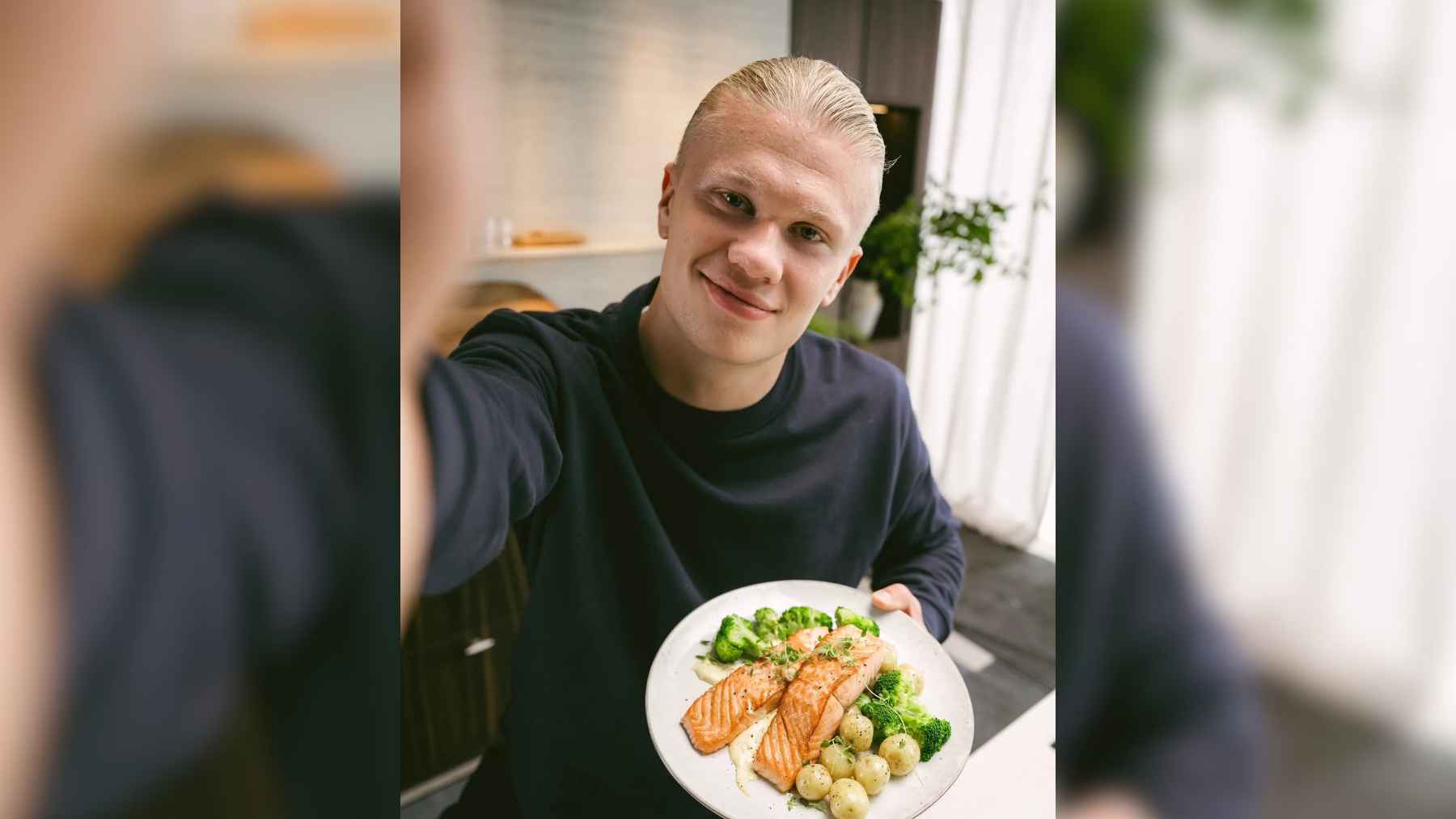
Fans may picture an elite striker’s diet as a maze of private chefs, powders, and complicated recipes. Erling Haaland offered a much plainer view in a day-in-the-life video, where he cooked eggs at home and later showed a lunch of egg fried rice, sea bass, and asparagus.
The plate does not prove a secret formula for scoring goals, and it is only one snapshot of a much larger routine. Still, it illustrates a practical mix of carbohydrate, protein, and vegetables, built around a habit that Haaland says began when he started living alone at 16.
Living alone forced an early lesson
“I’ve been living alone since I was 16, so I have to cook,” Haaland said. In the video, he explained that living on his own in Molde pushed him to learn cooking, laundry, and cleaning while he was still a teenager.
That meant learning more than how to fry an egg. He had to organize shopping, meals, and household chores while developing as a young player, long before becoming a Manchester City and Norway striker. Cooking was not a branding exercise then but basic self-management.
Haaland’s clearest message is less about luxury food than attitude. “Nutrition is simple,” he said. He also described meals as one of the best moments of his day and added, “I live to eat food.”
A simple plate with clear roles
At the club’s training facility, his lunch was uncomplicated. Egg fried rice provided the main carbohydrate source, while sea bass and egg added protein and asparagus brought a vegetable to the plate.
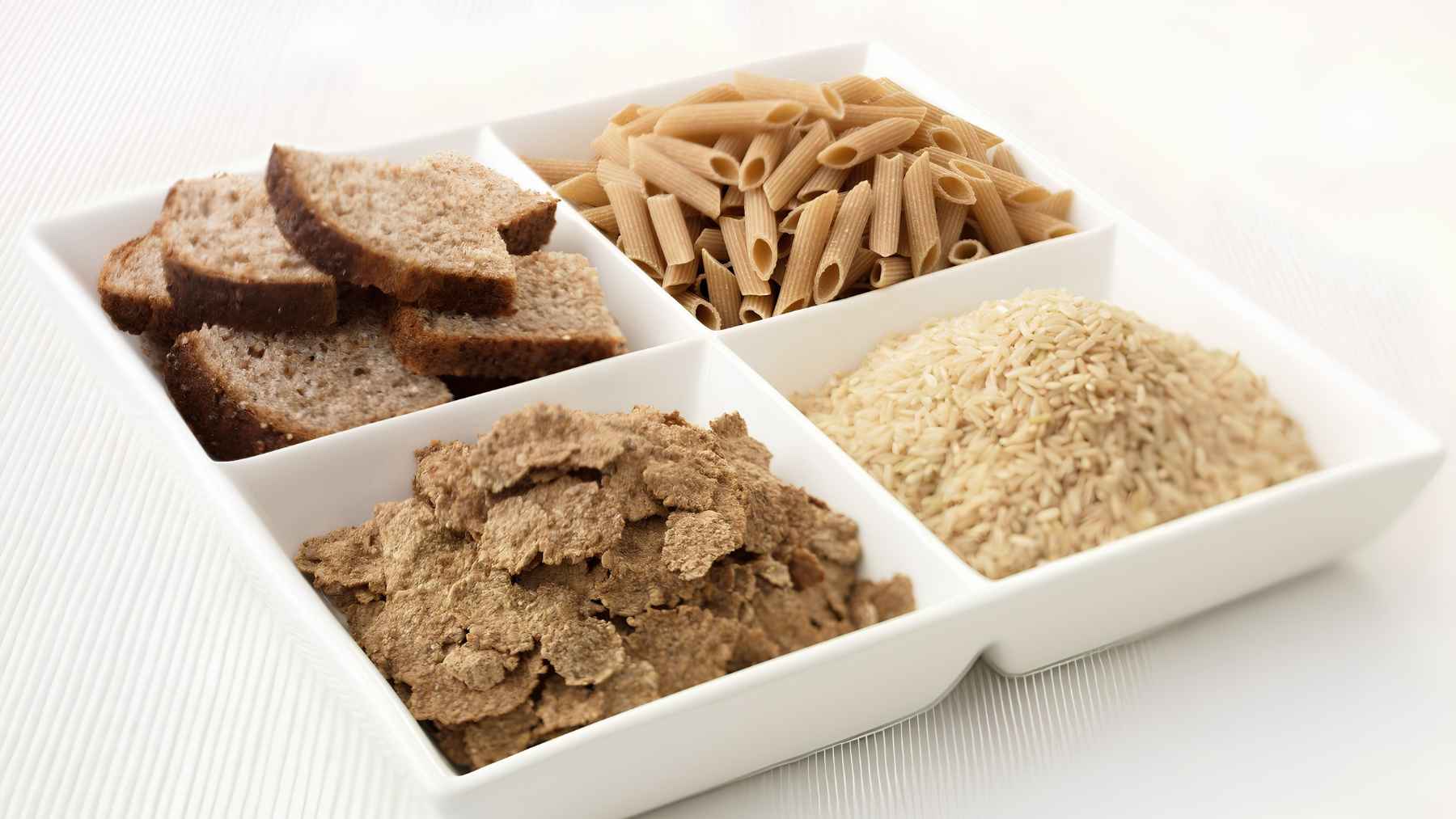
Carbohydrate is stored in the muscles as glycogen, which acts like a ready fuel tank during intense exercise. A major sports nutrition position paper says athletes must meet carbohydrate and energy needs to maintain performance and replace those stores after hard activity.
Protein supports the building and repair of body tissue, which matters after training and matches. USDA nutrition data show that fish and eggs are protein-rich foods, while asparagus contributes fiber, folate, and other micronutrients. But preparation and portion size still change the full nutrition picture.
Why repetition can help
A meal does not need to look restaurant-ready to be useful. Familiar ingredients can be quicker to prepare, easier to repeat, and less demanding on a day already filled with training, travel, recovery work, and match preparation.
That reliability may be the real appeal. When a player knows which foods sit well and can be made without much fuss, there is less guesswork before the next session. It is the food version of laying out your clothes before an early morning.
The NCAA’s sports science guidance says athletic performance and recovery depend on the overall plan, including the quantity, quality, and timing of food and fluids. In practical terms, no single item on Haaland’s plate is doing all the work. The pattern matters more than a supposed miracle ingredient.
One lunch is not a full diet
Here is the important limit. The video does not reveal every meal Haaland eats, exact portions, total calories, fluids, supplements, or changes made around travel and competition. Without that information, it would be misleading to calculate his diet or claim this lunch explains his output on the field.
Athletes also have highly individual needs. Body size, training load, injuries, sleep, medical history, metabolism, and personal goals all affect how much food and which foods are appropriate. A person spending the day at a desk does not need to copy the plate or portions of a professional striker.
That is why celebrity diets should be treated as observations, not prescriptions. Anyone making major changes for performance, weight, or health should seek advice from a qualified sports dietitian rather than building a plan from a short video. Simple is helpful only when it is also suitable.

The real lesson is consistency
Haaland’s story stands out because much of it is ordinary. He learned basic kitchen skills because life demanded them, then carried those habits into a career where small decisions are repeated every day. Fans see the goals, but the groundwork begins hours before kickoff.
The useful takeaway is not that everyone needs rice, sea bass, eggs, and asparagus. It is that balanced meals are easier to maintain when they are enjoyable, practical, and familiar. When schedules get crowded and hunger arrives, repeatable choices often beat a perfect plan that nobody follows.
No secret sauce. Just a routine Haaland can live with.
The original video was published on Erling Haaland’s official YouTube channel.