
Fiber does much more than keep bathroom trips regular. It supports steadier blood sugar, helps lower cholesterol, promotes fullness, and gives some beneficial gut bacteria the fuel they need. Federal data for 2017 and 2018 found that U.S. consumers averaged only 58 percent of the recommended fiber intake.
The fix does not have to begin with a powder or an expensive “superfood.” For a general 2,000-calorie diet, the U.S. Food and Drug Administration sets the Daily Value at 28 grams and advises reaching at least that amount on most days. The simplest route is to build fiber into ordinary meals one choice at a time.
Why fiber matters
Fiber is a type of carbohydrate found in plants, but the body cannot fully break it down. Soluble fiber mixes with water and can slow digestion, while insoluble fiber adds bulk and helps food and waste move through the gut.
That difference helps explain why fiber reaches beyond constipation. Current Centers for Disease Control and Prevention advice says fiber-rich foods can support digestive health, fullness, blood sugar control, and lower cholesterol. Oats, beans, fruit, vegetables, nuts, seeds, and whole grains do not all deliver the same mix, so variety counts.
A small 2022 NIH-funded trial led by Samuel M. Lancaster at Stanford School of Medicine tested several purified fibers in 18 adults. Responses varied by fiber type and by person. The study does not prove supplements are inferior, but it shows why one powder should not be treated as a universal answer.
Choose whole grains more often
The easiest first move is a swap. Replace white bread with whole-wheat bread, white rice with brown rice, or regular pasta with a whole-grain version when taste and budget allow. No kitchen overhaul is required.
“Choosing brown rice or less-refined flours provides more nutrients essential for metabolism,” says nutritionist Manuela Dolinsky, president of Brazil’s Federal Council of Nutritionists. In practical terms, these changes can raise fiber intake without creating a new menu or a longer grocery list.
Look past the front of the package. Check whether a whole grain appears first in the ingredient list, then compare the Dietary Fiber line on the Nutrition Facts label. A serving with 20 percent or more of the Daily Value is considered high in fiber.
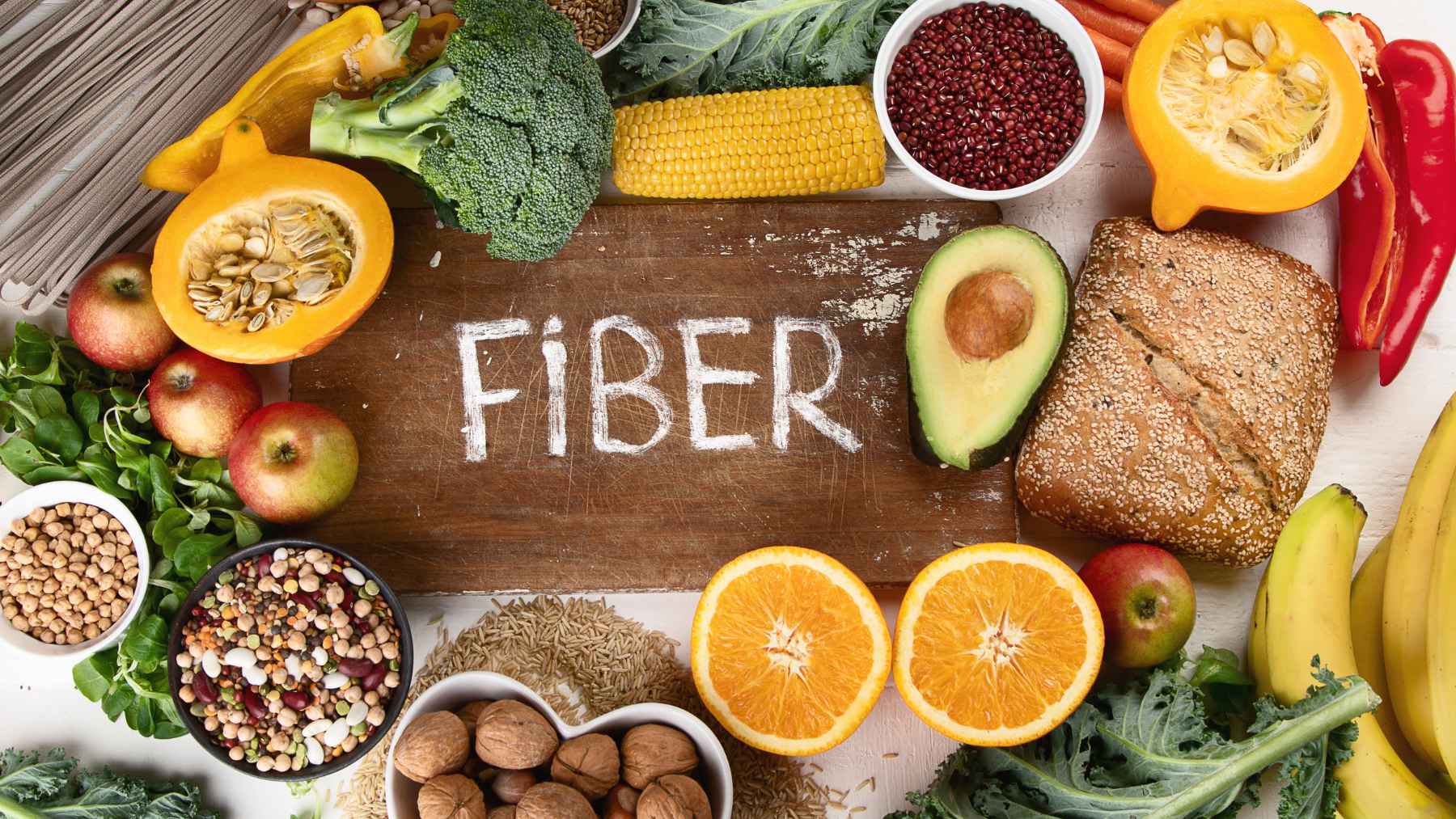
Whole grains, legumes, fruits, vegetables, nuts, and seeds are among the best natural sources of dietary fiber for supporting gut health and blood sugar control.
Keep beans in the rotation
You do not need exotic or costly foods to make progress. Rice and beans offer a familiar base, while lentils, chickpeas, black-eyed peas, and split peas can fill the same role. They bring fiber to the plate along with other nutrients.
For a rushed lunch, add beans or lentils to a salad. At dinner, spoon black beans beside rice, stir chickpeas into a vegetable dish, or let lentils give soup more body. These are ordinary foods that can work on a busy weeknight and stretch across more than one meal.
The same approach works beyond a rice bowl. Beans can be folded into tacos, mashed onto toast, or blended into dips, making it easier to add fiber without turning every meal into a nutrition project. That is the point.
Add fiber throughout the day
One high-fiber bowl at breakfast cannot carry the entire day. Start with oatmeal topped with berries, pumpkin seeds, or almonds, or choose whole-grain toast and a piece of fruit. Small wins count, especially on mornings when everyone is racing out the door.
Smoothies can also do more work when they include oats, chia seeds, flaxseed, or whole fruit. Keeping edible peels on apples and pears adds fiber, while choosing the whole fruit instead of juice preserves more of the plant material your digestive system uses.
Lunch and dinner offer another chance. Add colorful vegetables to soups, sandwiches, pasta, eggs, or grain bowls, then keep nuts, seeds, fresh fruit, or cut vegetables within reach for snacks. By bedtime, those modest choices can add up without requiring you to count every gram.
Increase fiber slowly
There is one catch. Jumping from a low-fiber diet to a very high intake overnight can lead to gas, bloating, indigestion, and abdominal discomfort, especially during the first few days.
“Increasing fiber little by little is the best approach,” says gastroenterologist Álvaro Delgado, a member of the Brazilian Federation of Gastroenterology. Federal digestive health guidance makes the same practical recommendation and advises drinking enough water and other fluids to help fiber work properly.
Individual needs are not identical. Guidance for most adults ranges from 22 to 34 grams a day depending on age and sex, while the label’s 28-gram Daily Value offers a useful general benchmark.
Anyone with a digestive condition or recurring symptoms should ask a health professional or registered dietitian how much and which type is appropriate.
Make it a daily habit
At the end of the day, fiber works best as a routine, not a rescue mission after several low-fiber meals. Choose one grain swap, one serving of beans, and one fruit or vegetable addition that fits the way you already eat. Then repeat.
Supplements may be useful for some people under professional guidance, but food is the practical starting point for most. It delivers different kinds of fiber alongside vitamins, minerals, and the textures that make a meal feel like a meal. Simple, steady, effective.
The official dietary guidance referenced in this article has been published in the Dietary Guidelines for Americans for 2025 to 2030.