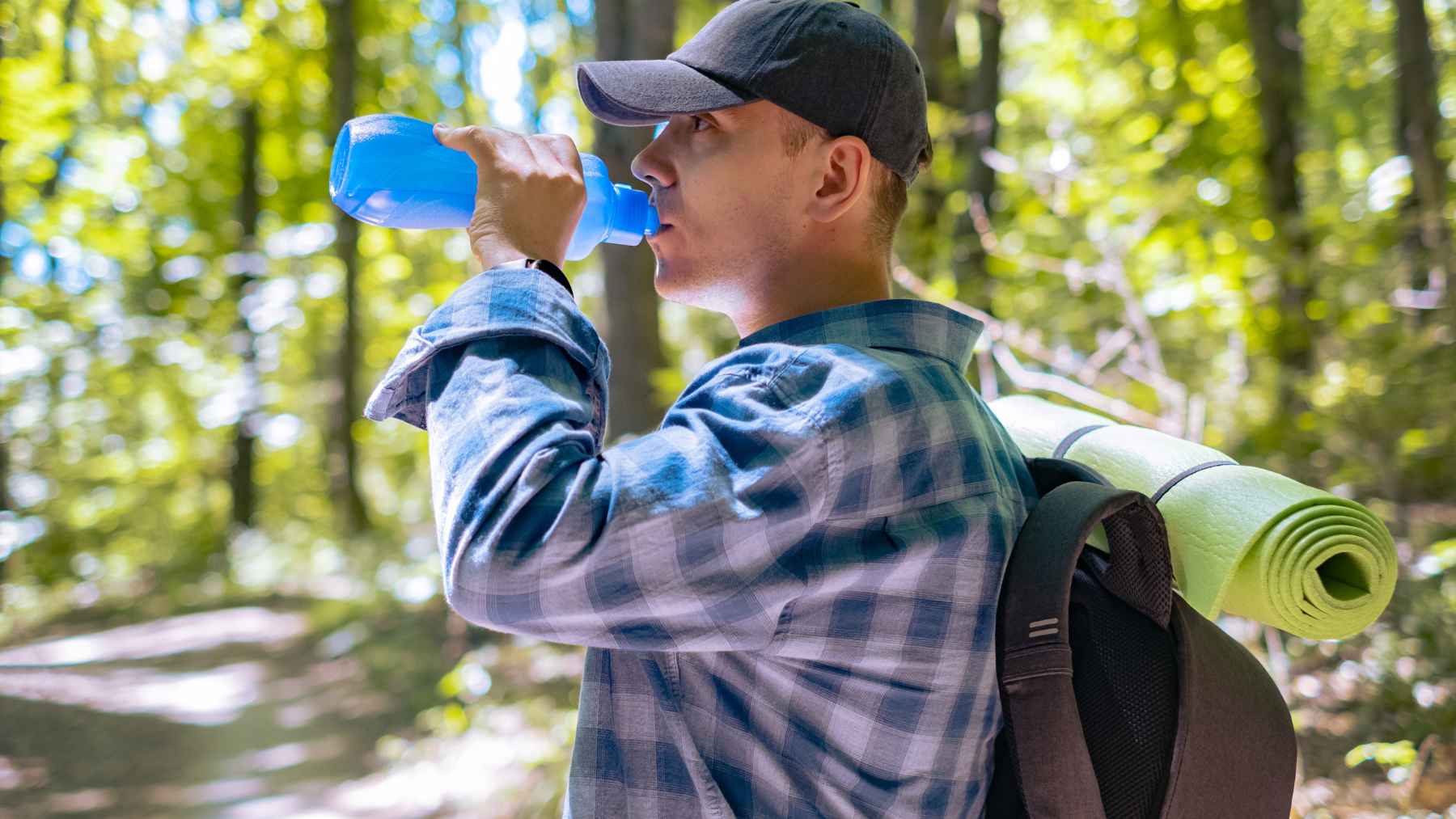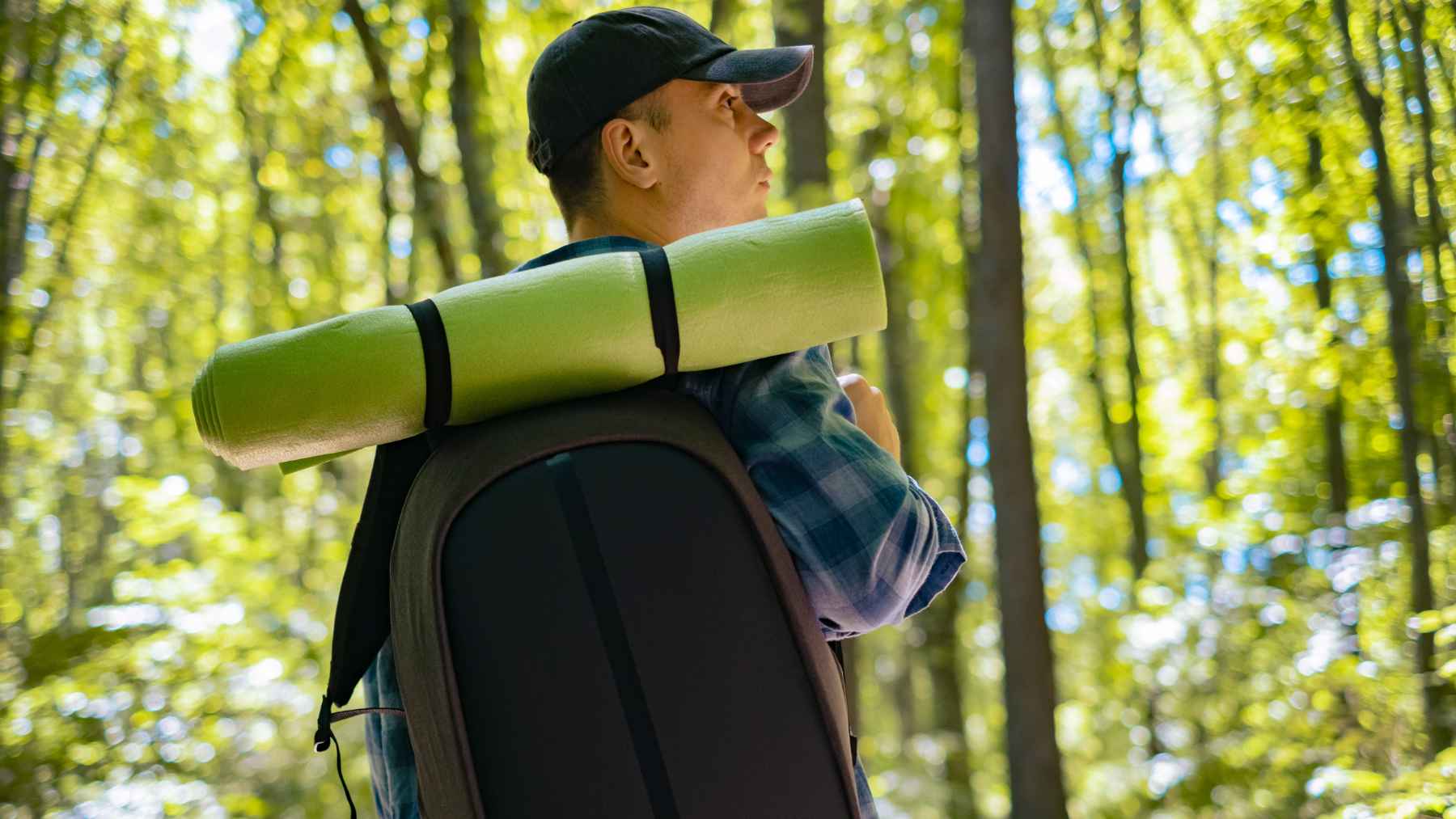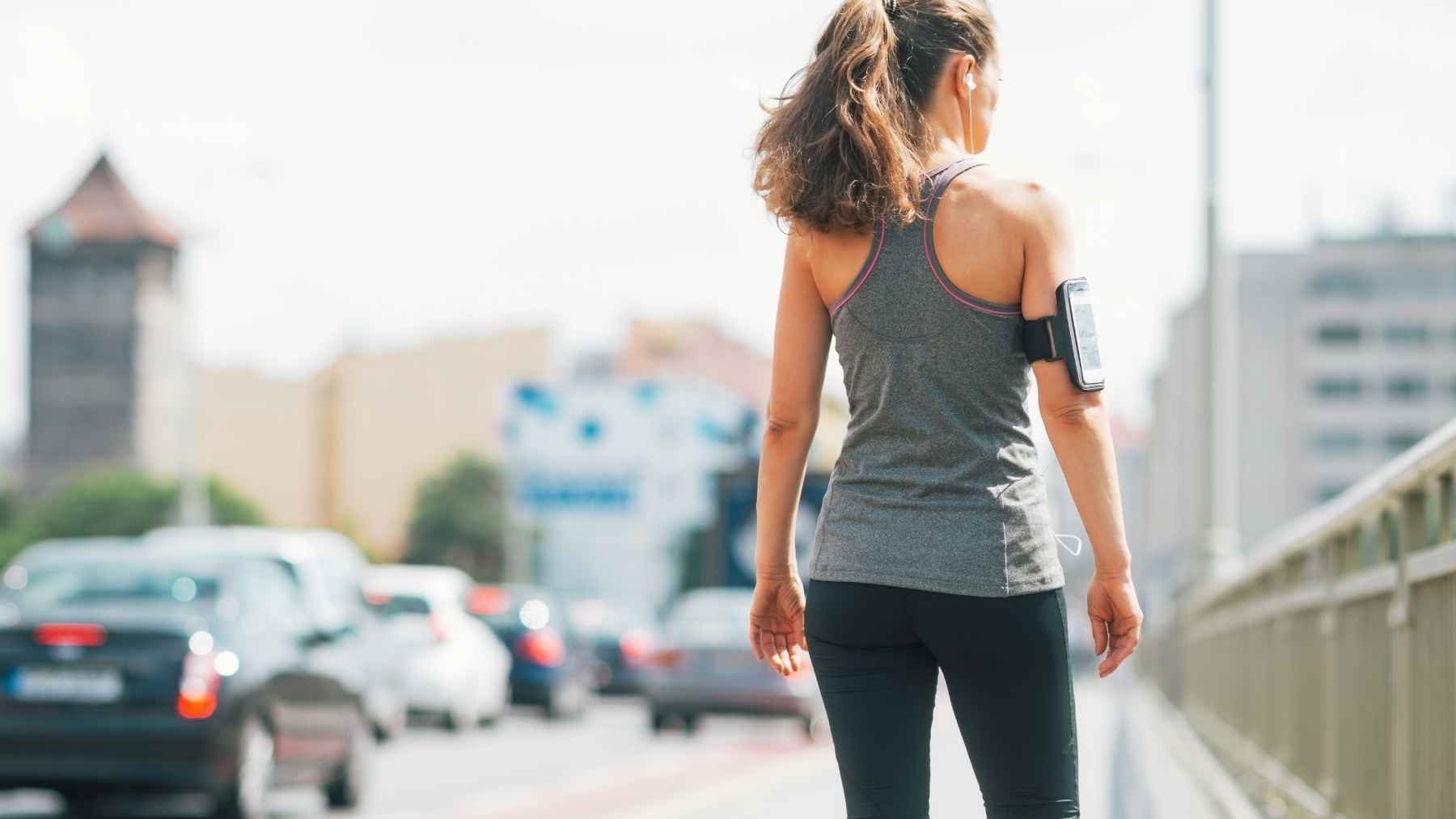
Lymphatic walking is being promoted as one of summer 2026’s simplest workouts. There is no class, machine, or special outfit. The routine is a comfortable walk with upright posture, relaxed arm swings, and slow, deep breathing.
The idea has a biological foundation because muscle movement and breathing help lymph fluid travel through the body. Still, the catchy name is ahead of the research. No study identified for this article showed that “lymphatic walking” outperforms an ordinary purposeful walk or acts as a detox.
What lymphatic walking means
Petra Gospic, a lymphatic massage therapist and founder of The Body Lab, describes the practice as normal walking with more attention to posture, breathing, and natural movement.
Rebecca Faria, founder of Detox by Rebecca, recommends dropping the shoulders, standing tall, and letting the arms swing instead of gripping a phone. Gospic sums up the appeal simply, “Consistency is much more important than perfection.”
What makes it different from a casual stroll? Not much. The emphasis is on an easy rhythm, loose torso rotation, and breaths that expand the belly, with no demand to move fast enough to feel exhausted.
How lymph flow works
The lymphatic system is a one-way network that collects excess fluid from tissues, returns it to circulation, and helps the immune system respond to infection. Blood has the heart as a powerful pump. Lymph also relies on vessel contractions and outside forces such as moving muscles and pressure changes during breathing.
Each step tightens and relaxes the leg muscles, which can squeeze nearby lymph vessels. Arm swings and deeper breathing may add movement through the trunk and chest. That is the sensible core of the trend, though the body already does this during ordinary walking.
What the research shows
A review led by Kirstin Lane at the University of British Columbia reported that steady exercise can raise human lymph flow to roughly two or three times resting levels. That supports movement as a pump, but it does not test the routine now called lymphatic walking. The label is not a standardized clinical program.
Evidence is also encouraging for people who have lymphedema, a chronic swelling caused by lymph fluid buildup. A 2024 systematic review found exercise was feasible and safe and could ease symptoms in women with lower-limb lymphedema after gynecologic cancer. Those results cannot automatically be applied to healthy walkers who want to feel less puffy.
How to try it
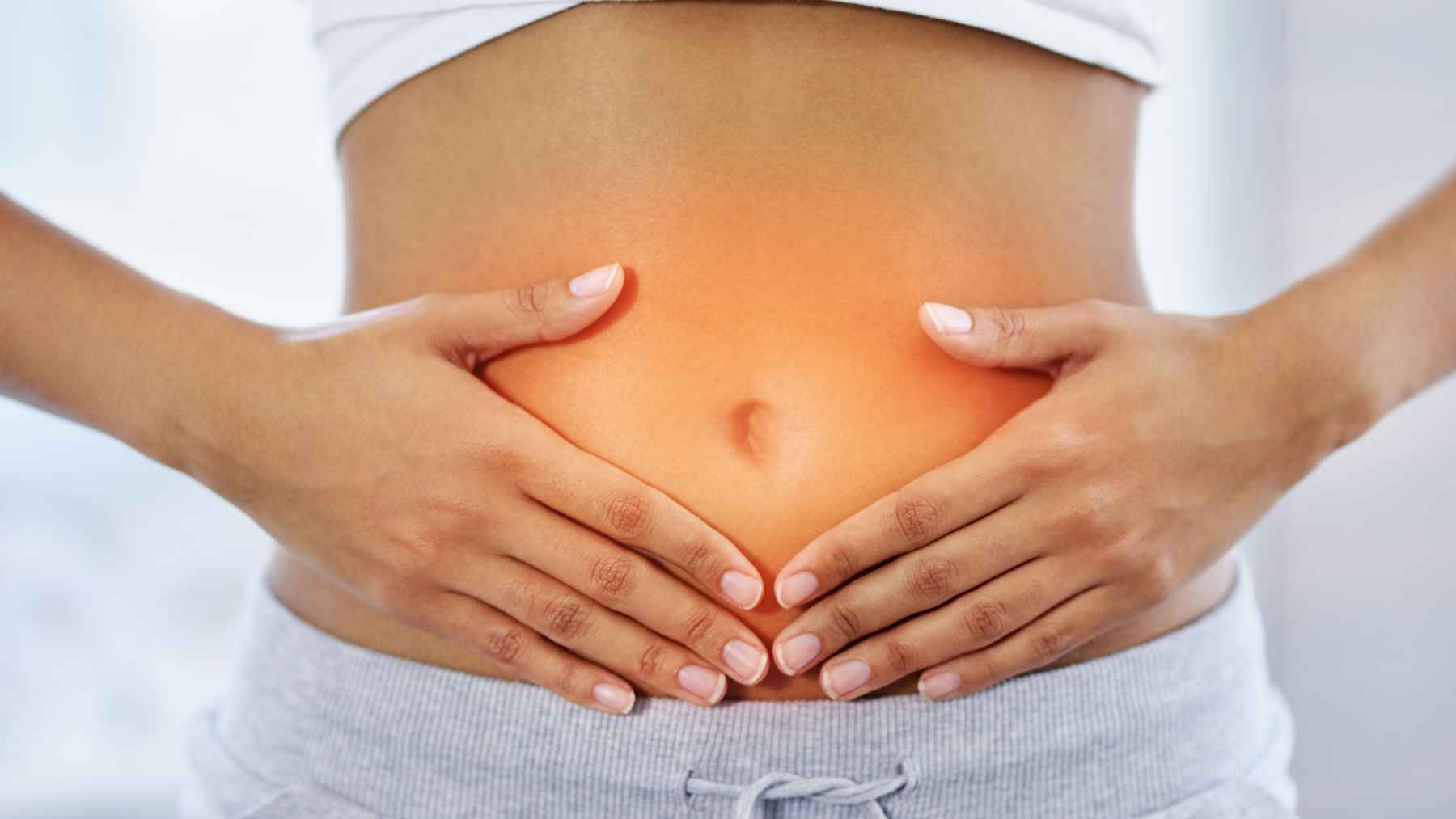
Start at a comfortable pace. Keep your head over your shoulders, relax your hands, and let both arms swing naturally. Breathe slowly and deeply when comfortable, allowing the abdomen to expand, then exhale without forcing it.
Twenty to 30 minutes is a practical target, not a magic dose. A shorter walk after lunch, a loop around the block, or a few minutes after a day at a desk still counts. U.S. guidance says any activity can help, while adults gain the most benefits by building toward 150 to 300 minutes of moderate aerobic activity each week.
Benefits beyond lymph
Even if the lymphatic label fades, the walking habit has value. Regular activity can improve sleep, mood, blood pressure, heart health, and daily function, and brisk walking is generally safe for most people. That evidence is stronger than promises of rapid drainage or a changed body shape.
People who have been sitting for hours or traveling may simply feel less stiff after moving. Some may notice temporary changes in mild puffiness, but that is not the same as treating lymphedema. A walk can be useful without being the whole medical picture.
When to get medical advice
Gentle walking has few downsides for healthy people, but unexplained swelling deserves attention. Swelling in one arm or leg, redness, warmth, pain, sudden shortness of breath, or symptoms after cancer treatment should not be handled as a wellness experiment. A clinician may need to rule out infection, a blood clot, heart problems, or lymphedema.
People with a diagnosed lymphatic condition should ask whether they need compression garments or a tailored exercise plan. The National Cancer Institute describes exercise as a natural pump for the lymph system, but it also advises patients to choose a program that is safe for them. Medical treatment and a lifestyle walk are not interchangeable.
Why it is not a detox
Lymphatic walking does not “flush toxins” out of the body. The liver processes many potentially harmful substances, while the kidneys filter wastes and extra water from the blood. A walk can support normal circulation and movement, but it does not replace those organs or cleanse the body on command.
At the end of the day, the trend’s biggest strength is its simplicity. It turns a familiar activity into a small ritual of posture, breathing, and movement that can fit between work, errands, and dinner. No miracle is required, just a habit that is easy enough to repeat.
The original report on the lymphatic walking trend was published by British Vogue.