The U.S. Food and Drug Administration approved Tylenol with Naproxen on July 24, 2026, becoming the first nonprescription tablet to combine acetaminophen and naproxen sodium. Each tablet contains 325 mg. of acetaminophen and 110 mg. of naproxen sodium. The indicated dose is two tablets for up to 12 hours of relief.
The medicine is intended for adults and children ages 12 and older with headaches, muscle pain, backaches, menstrual cramps, toothaches, and minor arthritis pain. One bottle may be easier than juggling two medicines, but the safety warnings for both ingredients now travel hand-in-hand.
Two pain relievers in one dose
A fixed-dose combination means the amounts of both active ingredients are fixed in one tablet. A standard dose delivers 650 mg. of acetaminophen and 220 mg. of naproxen sodium without the need to measure or time separate products.
Acetaminophen is an agent intended to reduce the pain signals the brain receives. Naproxen is a nonsteroidal anti-inflammatory drug, often shortened to NSAID, that can mitigate pain due to inflammation and usually lasts longer.
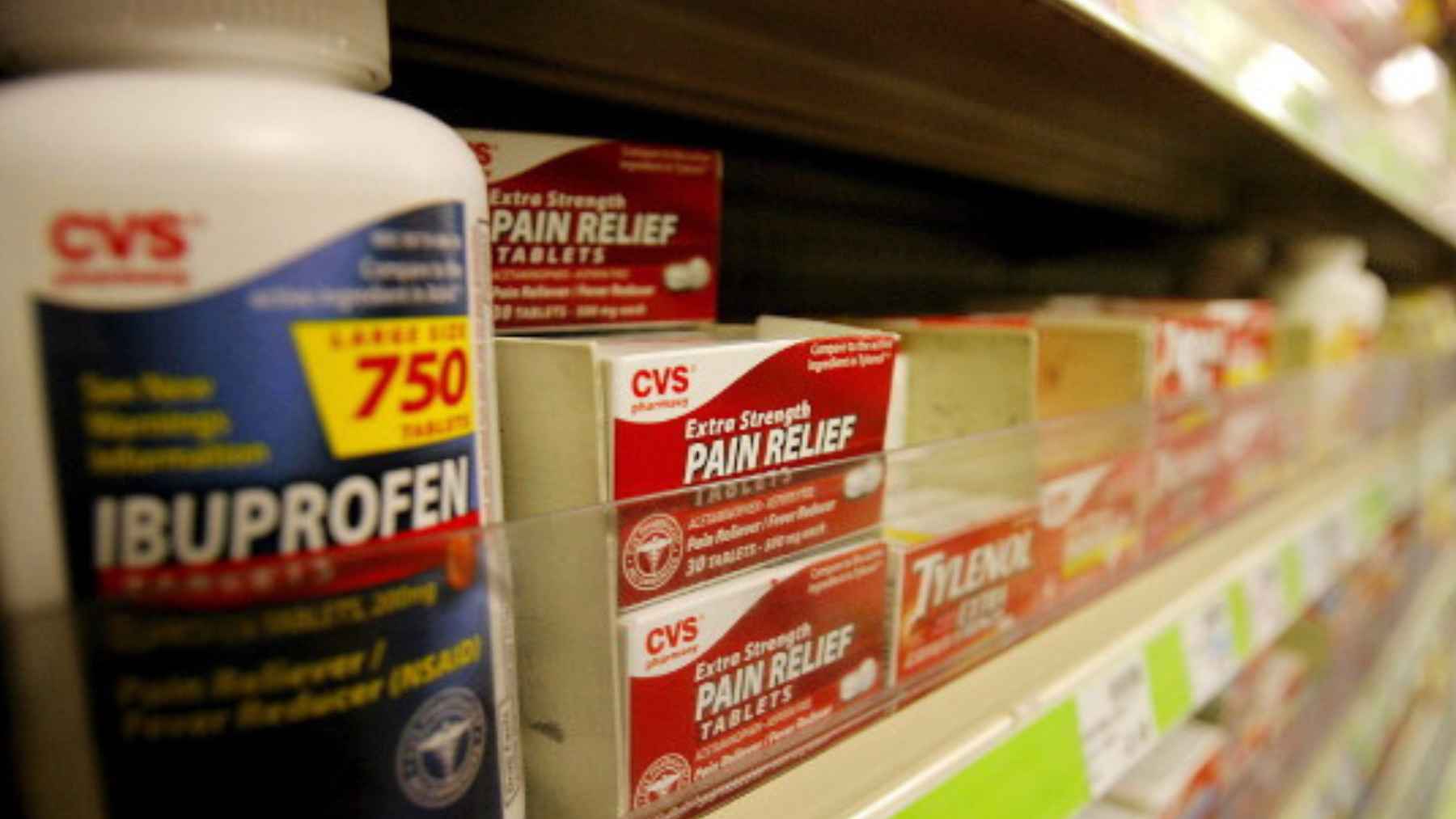
Other nonprescription products pair acetaminophen with an NSAID, but this is the first approved combination using naproxen sodium. That longer-acting ingredient helps extend relief across much of a work shift or nighttime.
Who can use it
The label covers temporary relief of minor aches and pains, but does not treat the underlying cause, so worsening symptoms or pain lasting more than 10 days should prompt medical advice.
People ages 12 and older are directed to take two tablets every 12 hours while symptoms persist, with a full glass of water. The label instructs not to exceed two tablets in 12 hours or four tablets in 24 hours without a doctor’s consent.
Children younger than 12 require a doctor’s guidance. That is key, as every tablet contains two active medicines, not one.
Why approval stands out
Regulators said the application included evidence that the combination was effective and that each ingredient contributed to pain relief. The approved label prints the standard warnings used for nonprescription acetaminophen and NSAID medicines.
The manufacturer reported that eight clinical studies found the combined dose worked better than either ingredient alone, started relieving pain in under 30 minutes, and lasted 12 hours.
Todd Bertoch, a principal investigator at CenExel Clinical Research, described the practical question behind the program: could one opioid-free product provide fast and sustained relief without making patients coordinate separate medicines?
The agency also linked the approval to President Donald Trump’s “The Great Healthcare Plan,” which seeks to move more verified medicines into over-the-counter sales. Easier access may save some consumers the headache of doctor visits, but an over-the-counter label does not mean ‘risk-free’.
Warnings on the label
An important acetaminophen danger is accidental duplication. Taking this product with another cold, flu, sleep, or pain medicine containing acetaminophen can increase the risk of severe liver damage.
Naproxen brings other concerns, including stomach bleeding and an elevated risk of heart attack, heart failure, and stroke. Risks rise with larger amounts or prolonged use, and people with certain stomach, kidney, heart, or bleeding problems should seek professional advice first.
Anyone who is pregnant or breastfeeding is told to consult a health professional. The label warns against naproxen sodium at 20 weeks of pregnancy or later unless a doctor directs it, because it may harm the unborn baby or adversely affect delivery.
Autism debate remains separate
Tylenol has also been pulled into a debate over acetaminophen use during pregnancy and autism. Federal officials said in September 2025 that some studies suggested a possible association, while the World Health Organization said no conclusive scientific evidence proves a link.
That distinction matters. An association in an observational study does not prove causation, and the Society for Maternal-Fetal Medicine says current research has not established that the medicine increases the likelihood of autism.
The dispute has also landed in court. The Texas attorney general sued Kenvue and former owner Johnson & Johnson in October 2025, and a federal appeals court revived more than 500 private cases in July 2026 while emphasizing that it was not deciding whether acetaminophen causes autism or attention deficit hyperactivity disorder.
What happens next
Kimberly-Clark agreed in November 2025 to acquire the Tylenol manufacturer in a cash-and-stock deal initially valued at about $48.7 billion, accounting for debt. Shareholders approved the deal in January, and closing is expected in the second half of 2026 if remaining conditions are met.
The pain reliever is expected to reach major U.S. retailers soon, although no exact shelf date or price has been announced. The practical takeaway is simple: check every active ingredient, follow the 12-hour schedule, and do not assume familiar brand names remove familiar risks.
For many households, one bottle may be more convenient than two. Consumers still need to remember that they are ingesting two active drugs at the same time.
The official approval notice has been published by the U.S. Food and Drug Administration.