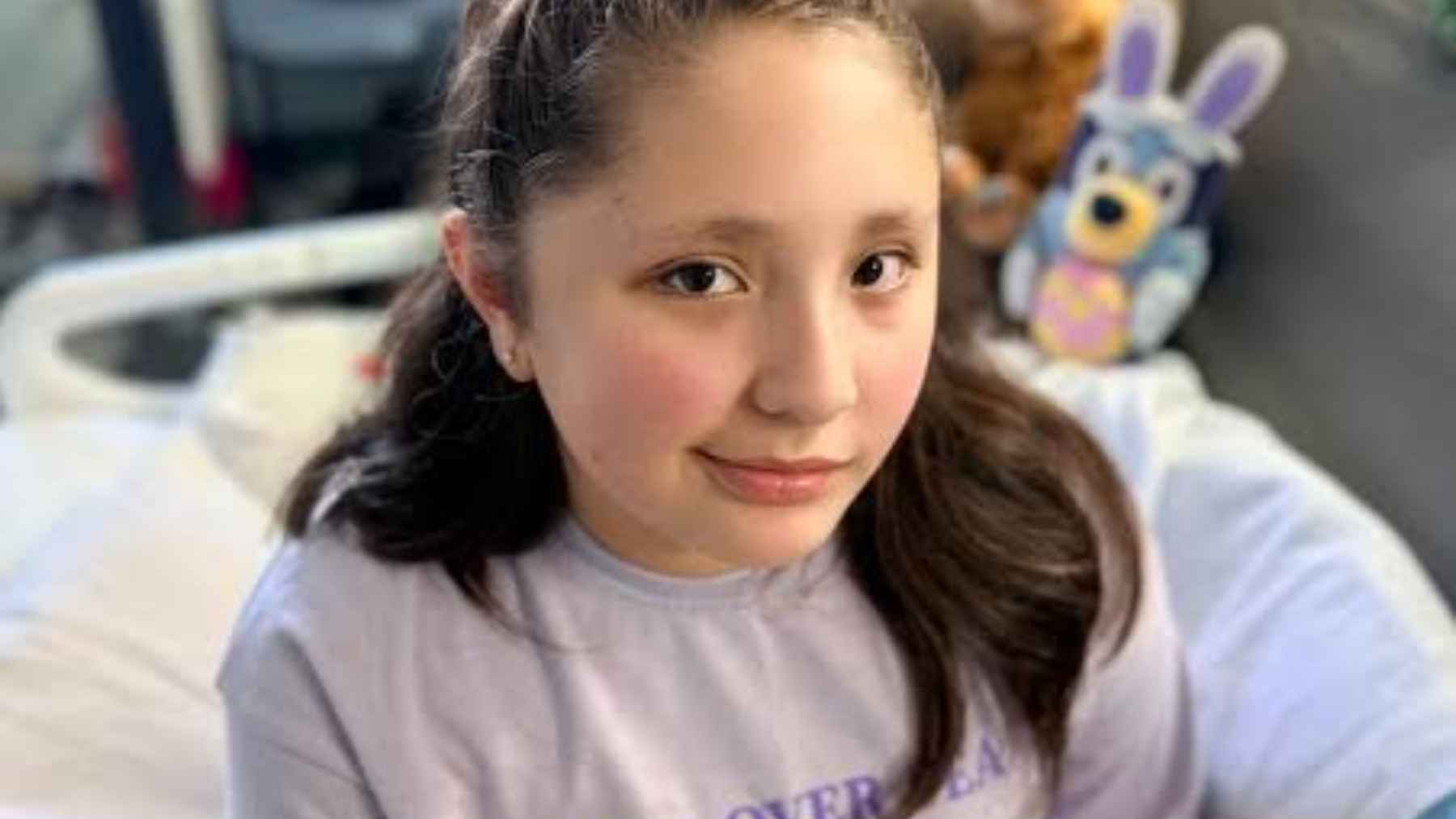
Camila Ramos Niño was 11 when a routine gym class in Texas turned into a medical emergency. A severe headache, slurred speech, and sudden weakness on her left side were not a migraine or a fainting spell. They were signs of a massive ischemic stroke.
Her case is rare, but rare does not mean impossible. Children and teenagers can suffer strokes, and fast recognition may limit brain injury and improve recovery. For families, teachers, and coaches, the lesson is to never let a child’s age rule out a stroke.
A school day changed in minutes
On February 17, 2026, Camila was running sprints at Calallen Middle School in Corpus Christi when her head began to hurt badly. Her left leg gave way, then her left arm dropped when a teacher helped her stand. The school nurse called an ambulance.
Her mother, Cristal Ramos Niño, heard heavily slurred speech when she spoke with Camila by phone. At the hospital, the girl was vomiting and had lost control of much of her left side. A brain scan called an MRI showed a large ischemic stroke on the right side of her brain.
“You wouldn’t think your 11-year-old is having a stroke,” her mother later said. In a noisy school gym, the first signs can easily look like a fainting spell, a seizure, or a terrible migraine.
What an ischemic stroke does
A stroke happens when part of the brain suddenly loses normal blood flow. In an ischemic stroke, a clot blocks a blood vessel and cuts off oxygen. Brain cells can begin dying within minutes.
Camila underwent a thrombectomy, a procedure in which doctors guide a thin tube through a blood vessel to remove a clot. When dangerous swelling followed, surgeons temporarily removed part of her skull to relieve pressure. A third operation later restored that section of bone.
That meant three brain surgeries before rehabilitation. Her experience shows that a pediatric stroke can be every bit as serious as one in an adult, even when the child looked healthy earlier that day.
Know the warning signs
Emily Kline, Camila’s physical therapist at TIRR Memorial Hermann, said children generally show the same core warning signs as adults. The phrase BE FAST points to sudden balance trouble, eyesight changes, a drooping face, arm weakness, speech trouble, and the need to call 911. “The biggest thing is time,” she said.
Children may also develop a sudden severe headache, especially with vomiting or sleepiness. Other signs include confusion, weakness or numbness on one side, difficulty walking, vision loss, or a new seizure affecting one side of the body.
Would most people connect those symptoms with stroke in an 11-year-old? Probably not. That is why awareness matters in schools, sports programs, and homes.
Rare cases are often recognized late
A National Library of Medicine review by Adam E. Goldman-Yassen and Seena Dehkharghani estimated that stroke affects about 2 to 13 of every 100,000 people under 18 each year. The risk is highest around birth, but strokes can occur at any age.
Childhood strokes may be linked to heart conditions, blood vessel disorders, sickle cell disease, clotting problems, infections, or neck injuries. Sometimes, even after a detailed medical workup, the exact cause remains uncertain.
Rarity can slow diagnosis. A study of 209 children with a stroke caused by a blocked artery found a median delay of nearly 23 hours from symptoms to diagnosis. Seventy percent reached a hospital within six hours, but only 20 percent received a diagnosis in that window.
Treatment guidance is catching up
In January 2026, the American Stroke Association released its first detailed recommendations for diagnosing and treating acute ischemic stroke in children. Writing-group chair Shyam Prabhakaran of University of Chicago Medicine helped lead guidance that brings pediatric care into the wider emergency stroke pathway.
The guideline says a clot-dissolving medicine may be considered for some patients from 28 days through age 18 within four and a half hours of disabling symptoms. Mechanical clot removal may help selected children age 6 or older, sometimes as long as 24 hours after symptoms begin when scans show brain tissue can still be saved.
These are not one-size-fits-all rules. A pediatric stroke team must weigh age, symptoms, scans, bleeding risk, and the location of the blockage. Early arrival gives specialists more options.
Recovery takes work
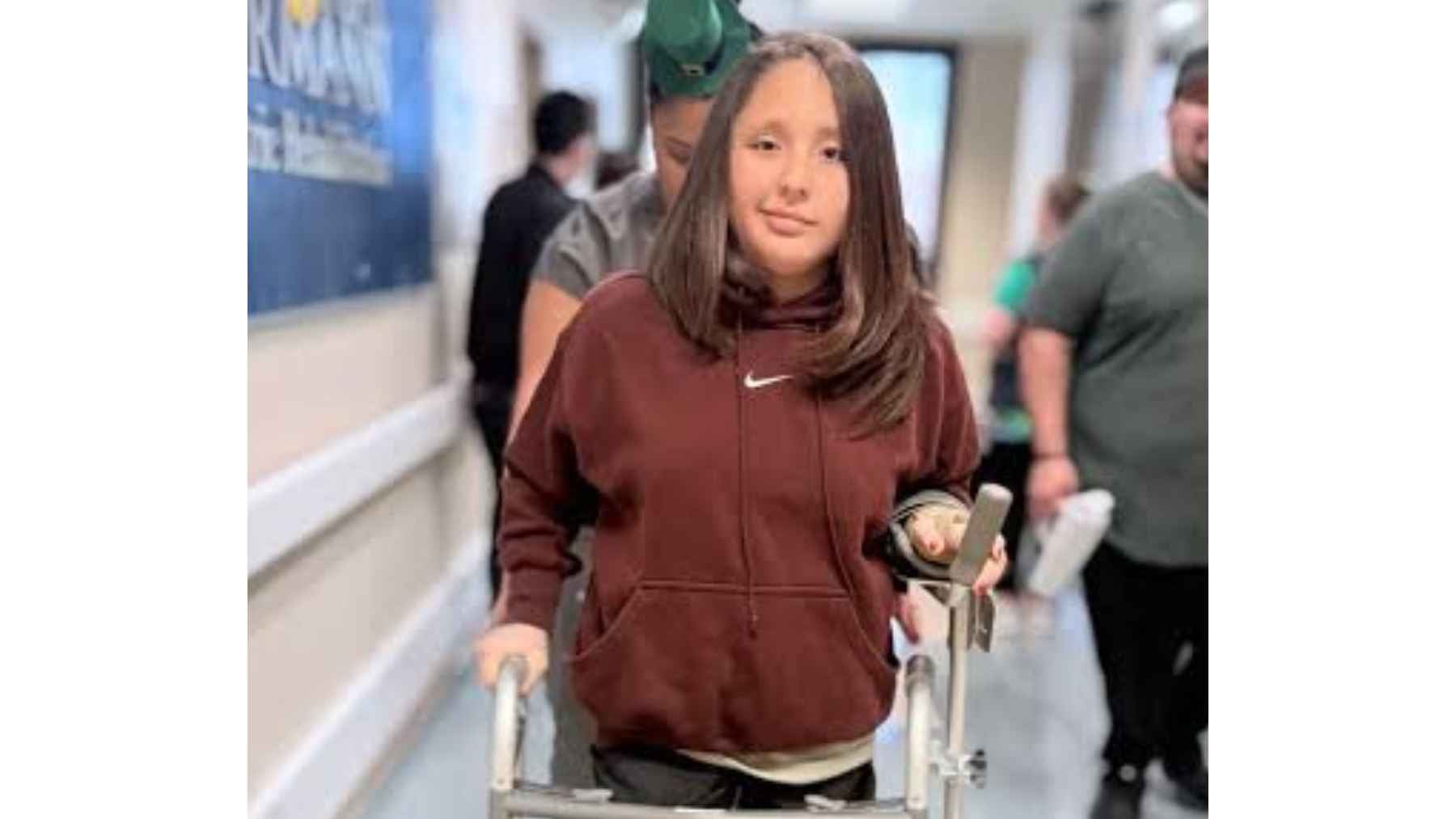
After her operations, Camila spent five weeks in inpatient rehabilitation and returned home on April 17. She has continued physical, occupational, and speech therapy while rebuilding movement, strength, and everyday skills.
“I had to put in a lot of work at therapy,” Camila said. Progress can be encouraging, but recovery is rarely a straight line. Weakness, fatigue, vision changes, speech problems, and emotional shifts may continue after a child leaves the hospital.
Her story does not mean every severe headache is a stroke. It does mean that a severe headache combined with slurred speech, facial drooping, one-sided weakness, vision trouble, lost balance, or a seizure deserves an immediate 911 call.
The original report by Sofia Ojeda and Ninfa Saavedra was published by KPRC 2 Click2Houston.