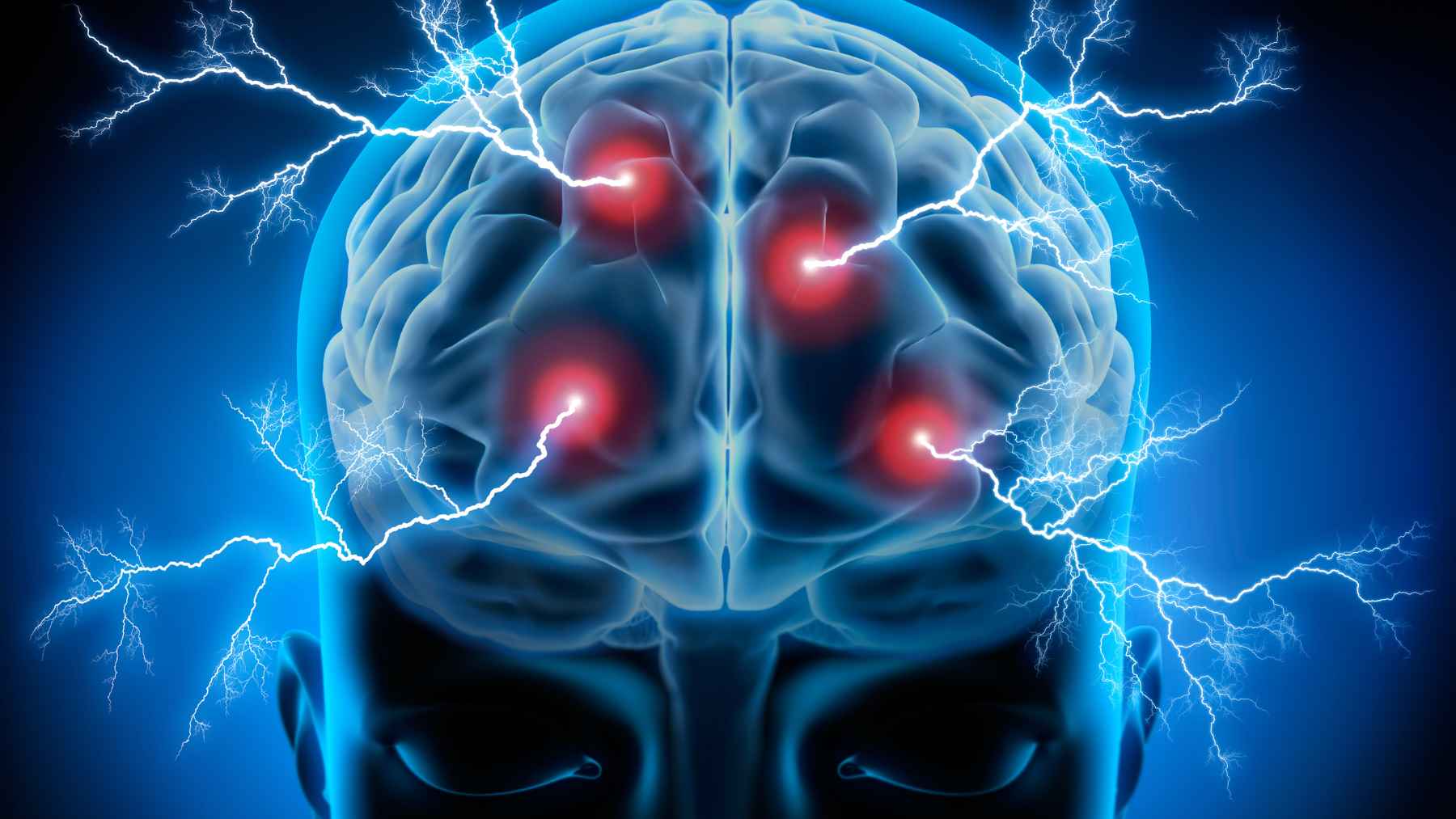
A stroke can change a life in minutes. Blood stops reaching part of the brain, oxygen runs out, and cells begin to die, often leaving survivors with problems walking, speaking, remembering, or using one side of the body.
Now, a new mouse study points to a possible future path for repairing some of that damage.
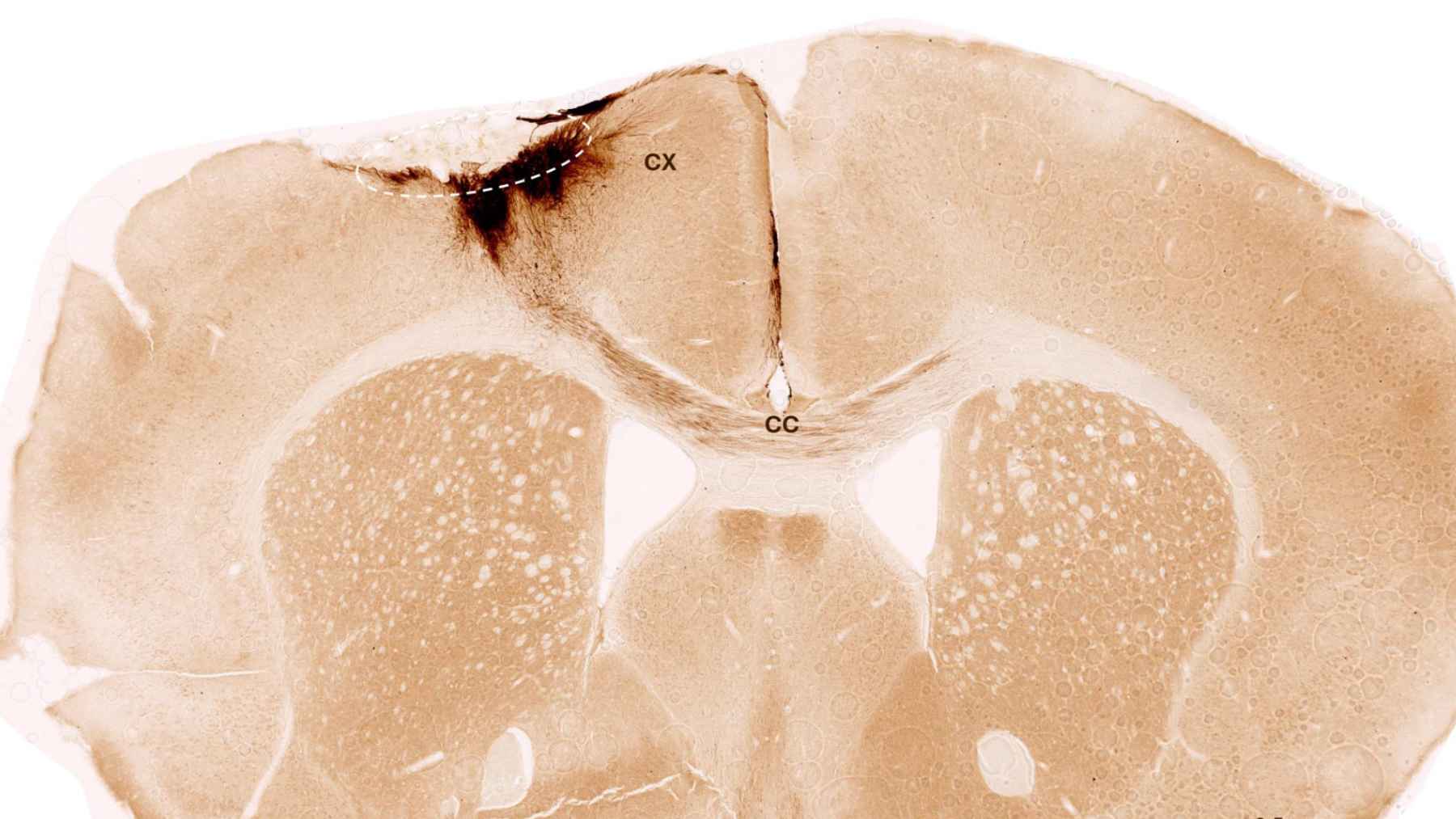
Researchers found that brain cells made from human stem cells did more than survive after being transplanted into stroke-injured mice. They helped rebuild brain tissue, restore blood vessels, reduce inflammation, and improve movement.
Why stroke damage is so hard
Stroke remains one of the world’s most serious health threats. The World Health Organization says stroke was the third leading cause of death and disability globally in 2021, and one in four adults is expected to have a stroke during their lifetime.
The problem is not just the first emergency. Unlike skin after a cut or bone after a break, the brain has limited ability to replace lost tissue. That is why many survivors are left with long-term disability, even after hospital treatment and rehab.
New cells in the brain
The research team used neural progenitor cells, which are early brain cells that can grow into different types of nervous system cells. These were made from induced pluripotent stem cells, meaning adult human cells that had been reprogrammed into a flexible, stem cell-like state.
The cells were transplanted into the brains of mice one week after stroke. The work involved Rebecca Z. Weber, Christian Tackenberg, and Ruslan Rust, with teams at the University of Zurich and the University of Southern California.
They became working neurons
Five weeks later, many transplanted cells were still alive. Most had matured into neurons, the message-carrying cells of the brain, rather than simply sitting in the injured area.
A large share became inhibitory neurons, which help keep brain activity balanced. Think of them as traffic signals in a busy city. Without them, signals can become noisy, chaotic, and harder for the brain to control.
Repair spread beyond the graft
What was the real surprise? The transplanted cells seemed to encourage repair in the tissue around them. The treated mice developed more blood vessels near the damaged area, which could help bring oxygen and nutrients back into the injured brain.
The treatment also appeared to calm inflammation and strengthen the blood-brain barrier. That barrier works like a security gate, helping keep harmful substances in the bloodstream from leaking into brain tissue. When it breaks down after a stroke, damage can spread.
Movement began to improve
Biology is one thing, walking is another. To see whether the changes mattered, the scientists used AI-assisted tracking to study how the mice moved after stroke.
The treated mice gradually showed better gait, balance, and fine motor control than untreated mice. Basically, their steps became smoother and more coordinated, a sign that the repair was not just visible under a microscope.
Timing may be crucial
The team did not transplant the cells immediately. They waited one week, and that detail may matter a great deal.
Right after a stroke, the brain can be a hostile place for new cells as inflammation and toxic chemical signals are still active. A related 2025 study found that delayed transplantation improved early graft survival, suggesting that waiting may give the damaged brain a better chance to accept the cells.
Still not a human treatment
This is the part that needs caution. The experiments were done in mice, and the animals were genetically modified so they would not reject human cells. Human patients are more complex, and long-term safety still has to be shown.
There is also the delivery problem. In this study, cells were implanted directly into the brain, which is not simple or risk-free. Researchers are now exploring safer approaches, including delivery through blood vessels and built-in safety switches that could stop abnormal cell growth.
A possible next target
Stem cell therapies are already being tested in early human trials for some neurological diseases, including Parkinson’s disease. Stroke could become another major target, but only after researchers answer the hard questions about immune rejection, safety, delivery, and lasting brain integration.
“Our findings show that neural stem cells not only form new neurons, but also induce other regeneration processes,” Tackenberg said. That is a careful statement, but an important one. The goal is not just to patch the brain, it is to help the brain rebuild.
The main study was published on September 16, 2025 in Nature Communications.