Aging knees and painful hips may not be as impossible to repair as once thought. Researchers at Stanford Medicine have identified a protein tied to aging, called 15-PGDH, that appears to block cartilage repair inside worn-down joints.
The finding is still early, and the work has mainly been done in mice and lab-tested human tissue. But it points to something important for millions of people with osteoarthritis, a condition that can make walking, climbing stairs, exercising, or even standing at the kitchen counter feel harder than it should.
A protein linked to aging
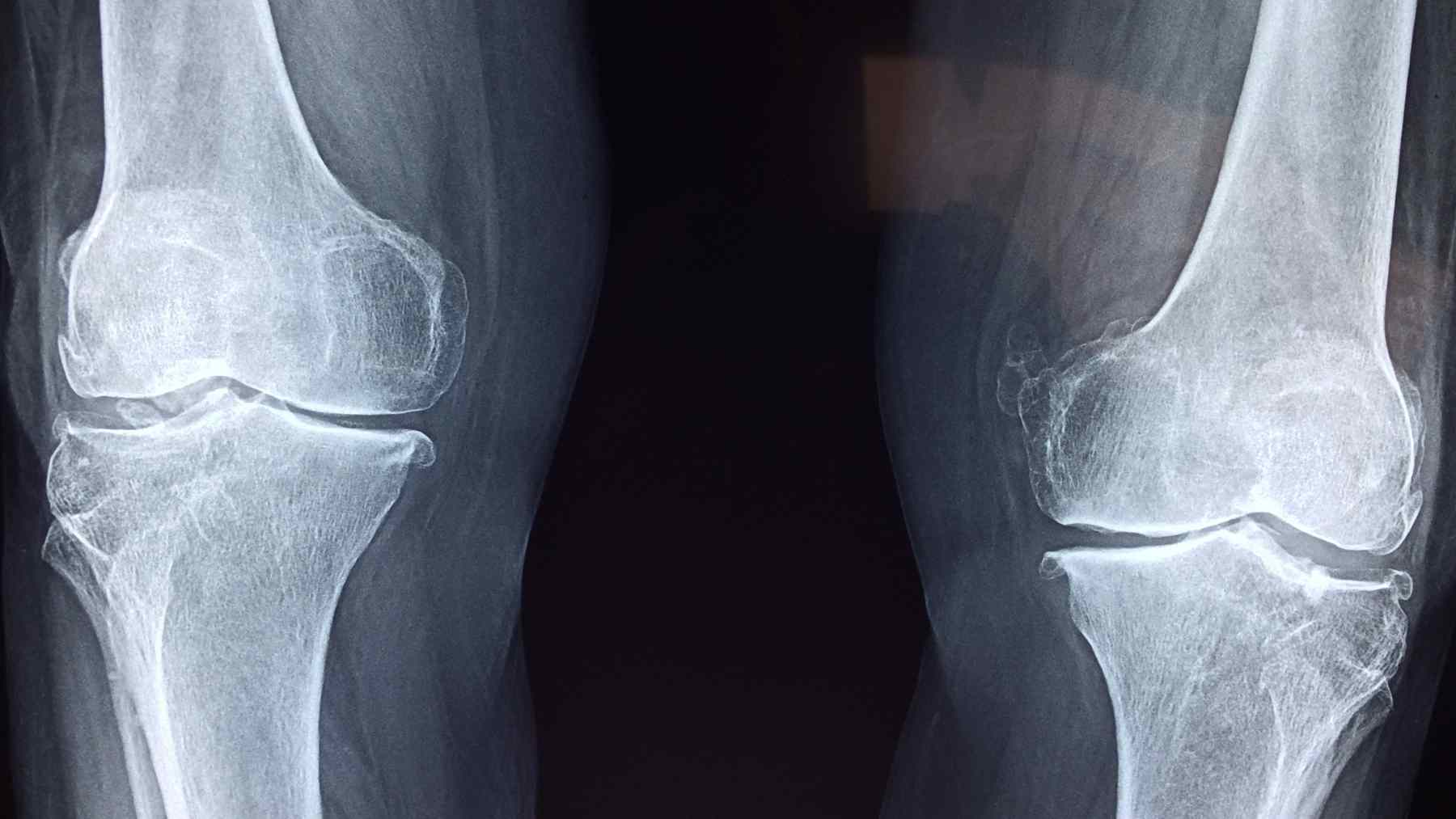
Osteoarthritis happens when tissues inside a joint break down over time. The CDC says it commonly affects the hands, hips, back, and knees, causing pain, stiffness, and swelling that can interfere with daily life.
In this new research, scientists focused on 15-PGDH, a protein that becomes more common with age. Stanford Medicine describes it as a “master regulator of aging” because it interferes with molecules involved in repair and inflammation control.
Why does that matter? Because cartilage is the smooth, cushioning tissue that helps joints move without grinding. Once it thins, the body usually does a poor job rebuilding it on its own.
What the mouse study found
The Stanford team tested a small-molecule inhibitor designed to block 15-PGDH. In older mice, knee cartilage that had become thin with age thickened after treatment, whether the drug was given systemically or injected directly into the joint.
The results were not just visible under a microscope. Treated mice moved more normally and put more weight on the affected leg, which suggests the cartilage repair may have reduced discomfort and improved function.
Nidhi Bhutani, one of the senior researchers, said the level of regeneration “took us by surprise.” She added, “The effect was remarkable.”
Why ACL injuries matter
The study also looked at younger mice with knee injuries similar to anterior cruciate ligament tears. These injuries are common in sports that involve sudden stops, pivots, or jumps, like basketball, skiing, and soccer.
That detail matters because ACL injuries can raise the risk of osteoarthritis years later. Stanford Medicine notes that about 50% of people develop osteoarthritis in the injured joint within about 15 years after these kinds of tears.
When the mice received the 15-PGDH inhibitor twice a week for four weeks after injury, the usual injury-related osteoarthritis did not develop in the same way. That is a big clue, though it is not yet proof that the same effect will happen in people.
Human tissue also responded
The researchers did not stop with animals. They also tested cartilage tissue taken from people undergoing total knee replacement for osteoarthritis.
After one week of treatment in the lab, the human cartilage tissue showed fewer signs of cartilage breakdown and began showing signs of articular cartilage regeneration. In practical terms, the existing cartilage cells seemed to shift toward a healthier repair mode.
That part of the study is especially interesting because it suggests the method may not require adding stem cells. Instead, the treatment appeared to nudge chondrocytes, the cells that make and maintain cartilage, into changing their gene activity.
Not a treatment yet
This is where the excitement needs a reality check. The results are promising, but there is no approved 15-PGDH cartilage-regrowth shot for osteoarthritis patients right now.
For the most part, today’s osteoarthritis care focuses on easing symptoms and helping people preserve movement. The National Institute of Arthritis and Musculoskeletal and Skin Diseases describes osteoarthritis as a degenerative joint disease in which joint tissues break down over time, with pain and stiffness among the most common symptoms.
Stanford researchers say a previous Phase 1 trial of a 15-PGDH inhibitor for muscle weakness showed it was safe and active in healthy volunteers. Still, cartilage repair is a different target, and clinical trials would be needed before doctors could know whether this approach is safe and effective for people with joint disease.
A possible shift in joint care
Osteoarthritis is not a small problem. The World Health Organization estimates that about 528 million people worldwide were living with the condition in 2019, with the knee being the most frequently affected joint.
That is why even an early-stage discovery can draw attention. If future trials work, this kind of treatment could move osteoarthritis care beyond pain control and toward repairing the tissue involved in the disease.
Helen Blau, another senior researcher, summed up the hope in simple terms. “Imagine regrowing existing cartilage and avoiding joint replacement,” she said.
The study was published in Science.