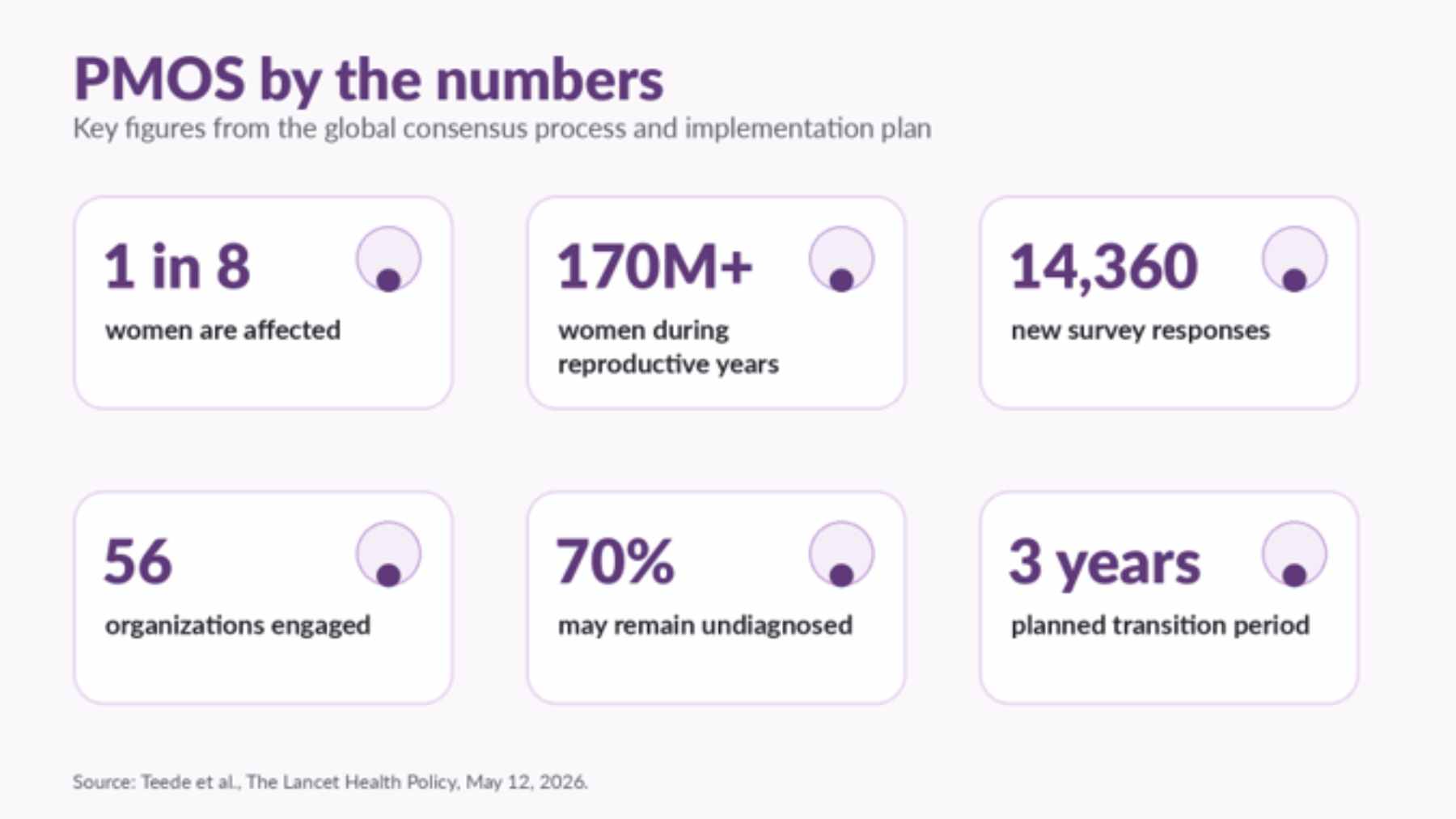
A hormonal disorder affecting about 1 in 8 women worldwide has officially been renamed after years of concern that its old name pointed patients, doctors, and researchers in the wrong direction.
Polycystic ovary syndrome, widely known as PCOS, will now be called polyendocrine metabolic ovarian syndrome, or PMOS.
The change may sound like medical housekeeping. But experts say the new name better reflects a condition tied to hormones, metabolism, skin, weight, periods, fertility, and mental health, not just the ovaries.
Why the old name fell short
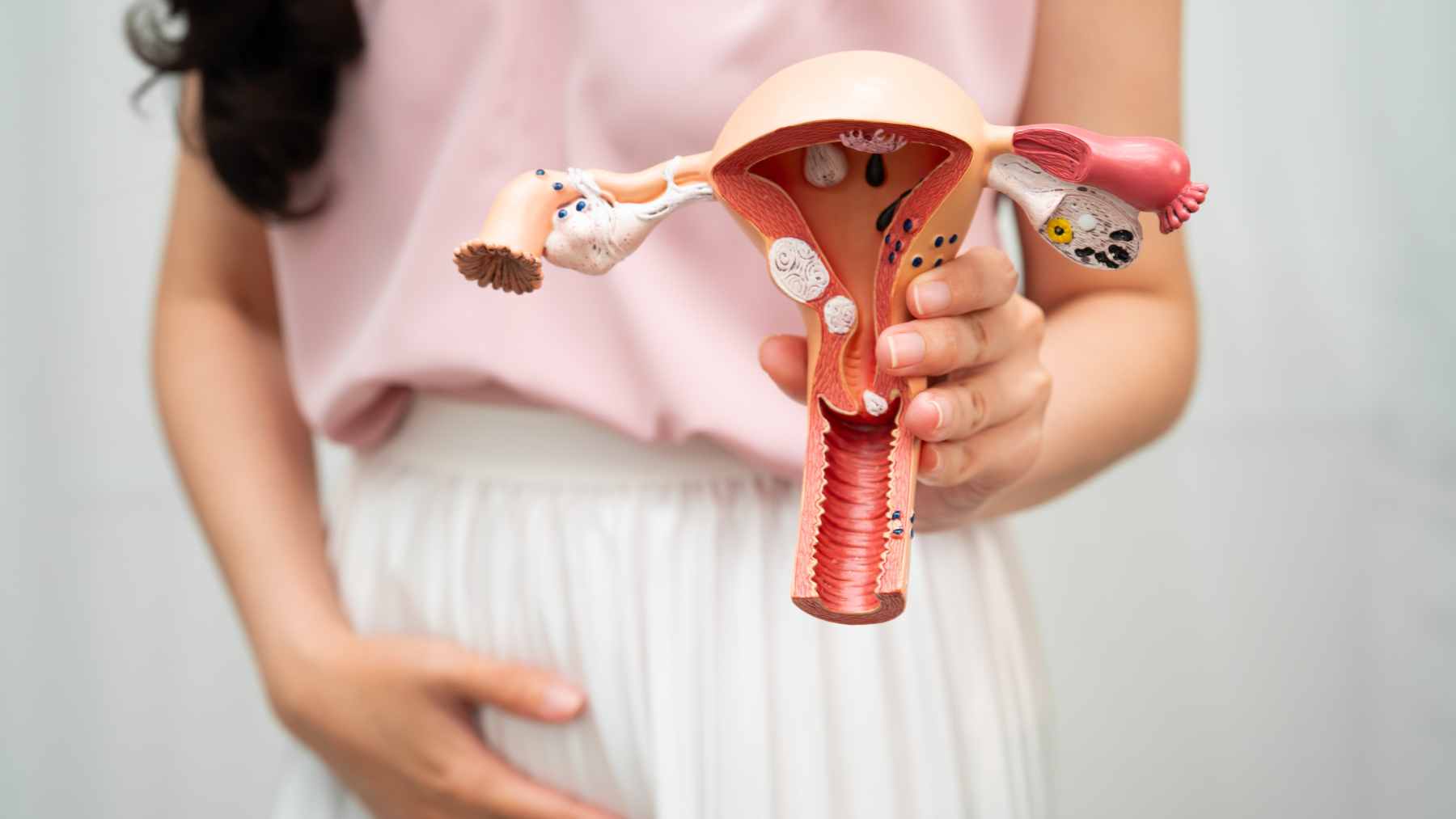
The word “polycystic” suggested that abnormal ovarian cysts were at the center of the condition. But researchers involved in the name change say people with the syndrome do not have an increase in abnormal ovarian cysts.
What doctors often see on ultrasound are small follicles that have not matured as expected. A follicle is part of the ovary’s normal egg-making process, while a cyst is something different. That small wording problem created a big misunderstanding.
This concern is not new. In 2012, a National Institutes of Health panel said the name “PCOS” was “a distraction and an impediment to progress” because it focused on ovarian appearance, which was “neither necessary nor sufficient” to diagnose the syndrome.
What PMOS means
“Polyendocrine” means more than one hormone system is involved. “Metabolic” points to the way the body manages energy, insulin, weight, and related health risks.
In practical terms, PMOS can show up in different ways. Some women may have irregular periods, acne, excess hair growth, thinning scalp hair, fertility problems, weight changes, or mental health symptoms.
Others may first notice something that feels ordinary, like stubborn acne that will not clear or cycles that never settle into a pattern.
That is why the new name matters. It nudges the conversation away from one organ and toward a whole-body condition, which can be easier to understand once the label stops sending everyone straight to “cysts.”
A global effort
Professor Helena Teede, an endocrinologist at Monash Health and director of the Monash Centre for Health Research and Implementation, led the name change process after decades of research and patient advocacy.
She said, “What we now know is that there is actually no increase in abnormal cysts on the ovary.”
The effort took 14 years and included more than 22,000 survey responses, international workshops, and 56 patient and professional organizations.
The work also involved international leaders including Terhi Piltonen, Anuja Dokras, and Rachel Morman, with participation from groups such as the AE-PCOS Society and Verity.
That patient-focused process was important because medical names shape real experiences. A confusing label can make someone feel dismissed in a doctor’s office, especially when their symptoms do not match what the old name seems to promise.
What changes for patients
The diagnosis will not disappear overnight. A three-year transition period is planned, with the new name expected to be fully implemented in the 2028 International Guideline update.
During that handover, patients may see both names used together. Doctors, clinics, apps, and educational materials will need time to update, and many people will still search for PCOS because that name has been used for decades.
Still, the shift could help clinicians look beyond ultrasound results. A patient with irregular periods, signs of hormone imbalance, or metabolic issues may need a broader evaluation, not a quick dismissal because no “cysts” were found.
Why the name could matter
Will a name change alone fix delayed diagnosis and uneven care? No, but names guide what people search for, what doctors ask about, and what researchers choose to study.
The new label may also encourage more attention to insulin resistance, long-term metabolic health, and mental health, areas that can get lost when the condition is treated only as a fertility issue.
That matters because many patients do not start in a specialist’s office, they may first talk to a family doctor, dermatologist, or gynecologist.
At the end of the day, what the new name is trying to do is simple. It tells patients and health professionals that this condition is broader than its old label, and that better language can be one step toward better care.
What happens next
Experts now have another wording problem to solve. The ultrasound phrase “polycystic ovarian morphology” still points back to the old idea, so researchers involved in the process say diagnostic language will also need to catch up.
For patients, the most important message is not that a familiar acronym has changed.
It is that the science has moved toward a clearer picture of the condition, one that includes hormones, metabolism, ovaries, and daily symptoms that can affect school, work, relationships, and family plans.
The official study has been published in The Lancet.