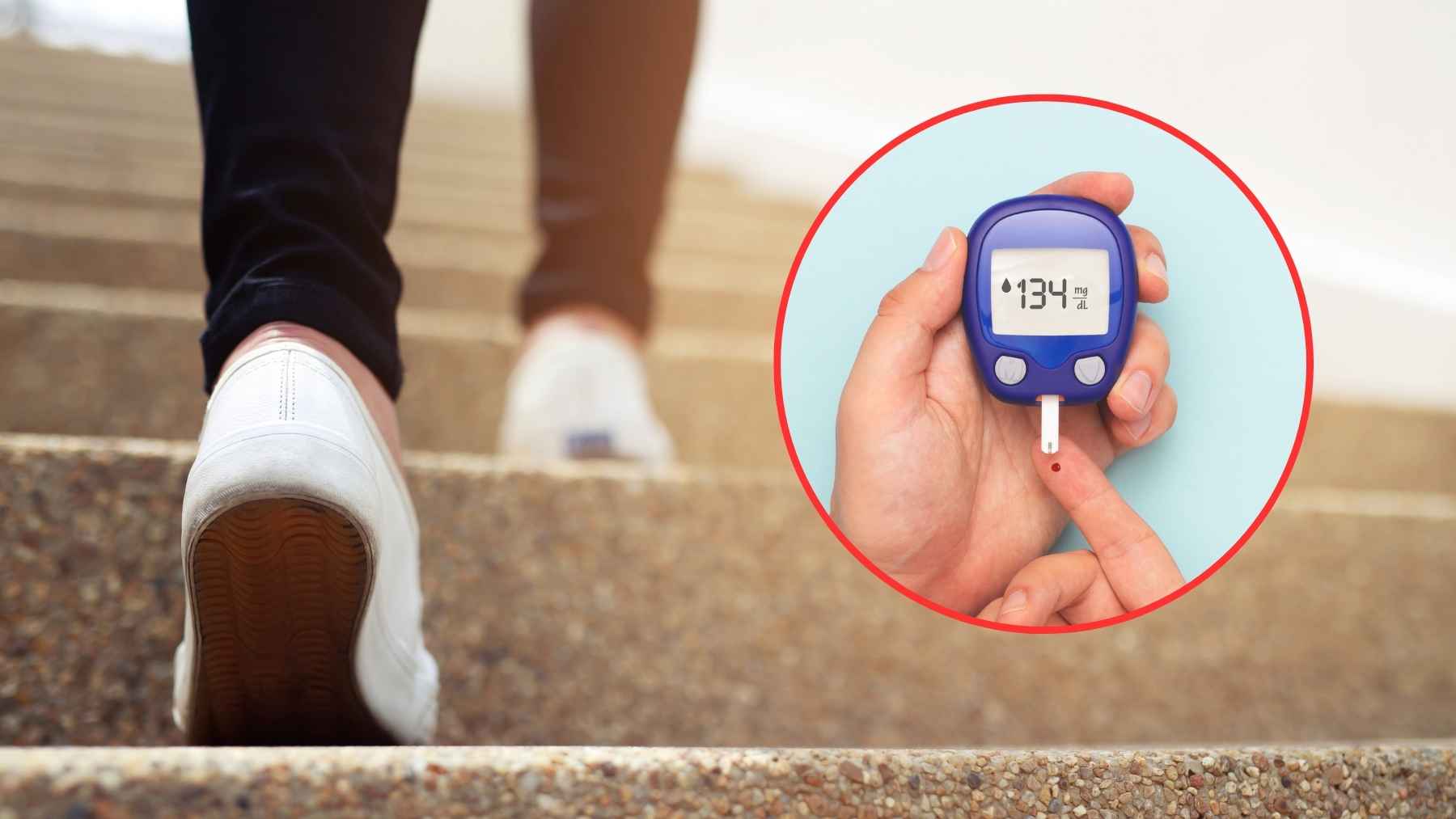
Metformin has been prescribed for decades for type 2 diabetes, but many clinicians have also tried it in type 1 diabetes with a different goal in mind. A controlled 26-week trial in adults now suggests that goal needs a rewrite. Metformin did not improve insulin resistance as measured by a gold-standard “clamp” test, yet it still lowered the amount of insulin participants needed.
In the United States, about 2.1 million people are living with diagnosed type 1 diabetes, and everyday management can be relentless. Separate estimates suggest the condition adds roughly 180 extra health decisions a day, tied to checking glucose, eating, moving, and correcting. If a low-cost pill can safely shave down insulin requirements for some people, that is worth paying attention to, even if it is not a cure or a shortcut.
The headline is insulin sparing, not insulin sensitivity
People can develop insulin resistance even with type 1 diabetes, and researchers increasingly treat it as more than a side plot. The Nature Communications team notes that cardiovascular disease is still a leading cause of death in type 1 diabetes, and insulin resistance has been linked with cardiovascular risk. In their baseline clamp measurements, the group with type 1 had signs of liver and muscle insulin resistance despite a similar average BMI to the control group.
In the INTIMET trial, 40 adults with long-term type 1 diabetes were randomized to metformin or placebo for 26 weeks, and 37 completed the study. Metformin did not change the primary outcome, which looked at hepatic insulin resistance through changes in endogenous glucose production during the clamp, and there was no increase in hypoglycemia or ketoacidosis in either group. That is a useful reality check for anyone taking metformin mainly to “fix” insulin resistance.
A smaller insulin dose can still feel like a big deal
Here is the part that will catch people’s attention in the real world. Metformin significantly reduced total daily insulin dose relative to placebo by an estimated 0.10 units per kilogram per day. Notably, insulin dose adjustment was left to participants and their clinicians, which looks a lot like everyday care.
That number can sound abstract until you translate it into daily life. For an adult who weighs about 180 pounds, that difference works out to roughly 8 fewer units per day on average, which can mean fewer “should I correct” moments while you are making dinner or trying to get to sleep.
But A1C and continuous glucose monitoring metrics did not significantly differ between groups, so “less insulin” is not automatically “better numbers,” even if, in Dr. Jennifer Snaith’s words, insulin can bring a “significant mental and physical burden.”
Why would metformin help if insulin resistance does not budge
If you have followed metformin news over the years, this twist might feel familiar. Metformin’s mechanisms are not fully understood, and in type 2 diabetes it affects glucose metabolism in more than one place, not just in muscle cells. So what is it doing in type 1 diabetes when the clamp results stay flat?
In this study, the metformin group also showed higher levels of GDF15, a stress-regulated hormone that other research links with appetite and weight regulation.
The authors point out a key limitation, though, because insulin dosing was adjusted by participants and their clinicians, the study cannot fully untangle whether the lower insulin dose changed later glucose outcomes. Still, the team is now looking at other pathways, including gut microbes, to explain the insulin sparing effect.
Off-label does not mean harmless
In the US, metformin is indicated to improve glycemic control in people with type 2 diabetes as an add-on to diet and exercise. Using it in type 1 diabetes is therefore off-label, which is not the same thing as “forbidden,” but it does raise the bar for shared decision making and follow-up.
Safety details matter here, especially because type 1 diabetes already involves insulin and combining drugs can shift hypoglycemia risk. The FDA labeling carries a boxed warning about lactic acidosis, notes that metformin may lower vitamin B12 levels, and also warns about hypoglycemia risk when used with insulin.
Side effects are usually less dramatic but can still be deal breakers, particularly early on. In one US trial in type 2 diabetes, diarrhea was reported in 53% of metformin-treated participants versus 12% on placebo, and about 7% had vitamin B12 levels fall to subnormal ranges over 29 weeks.
What to watch next if you live with type 1 diabetes
This was a carefully measured, relatively small trial in adults ages 20 to 55, and it excluded people with an A1C above 9.5%. That makes the results cleaner, but it also means we still do not know which real-world patients benefit most, such as people with higher insulin needs, higher body weight, or more severe insulin resistance.
For now, the most practical takeaway is to treat metformin as a “maybe” tool, not a universal upgrade, and to have the conversation with a diabetes clinician rather than experimenting solo. Do not start or stop any medication without professional guidance.
The study was published on Nature Communications, and it is worth reading with your own clinician’s goals in mind.