Could your arteries be changing long before a checkup sounds the alarm? A new heart health message puts LDL cholesterol, often called “bad cholesterol,” at the center of prevention because it can build up silently for years. The focus is not a strict diet, but a pattern of everyday choices that can start in childhood.
The American Heart Association published its 2026 dietary guidance on March 31, updating its 2021 advice with a clearer food-first approach.
The document arrives as more than half of U.S. adults and about 60 percent of U.S. children are described as having unhealthy diets, a warning that turns the grocery cart, the lunch box, and even the weeknight takeout order into part of heart prevention.
Why LDL matters so early
Fabrizio Giovanni Oliva, president of the Italian Federation of Cardiology and director of clinical cardiology at Niguarda Hospital in Milan, says the old way of talking about cholesterol is changing.
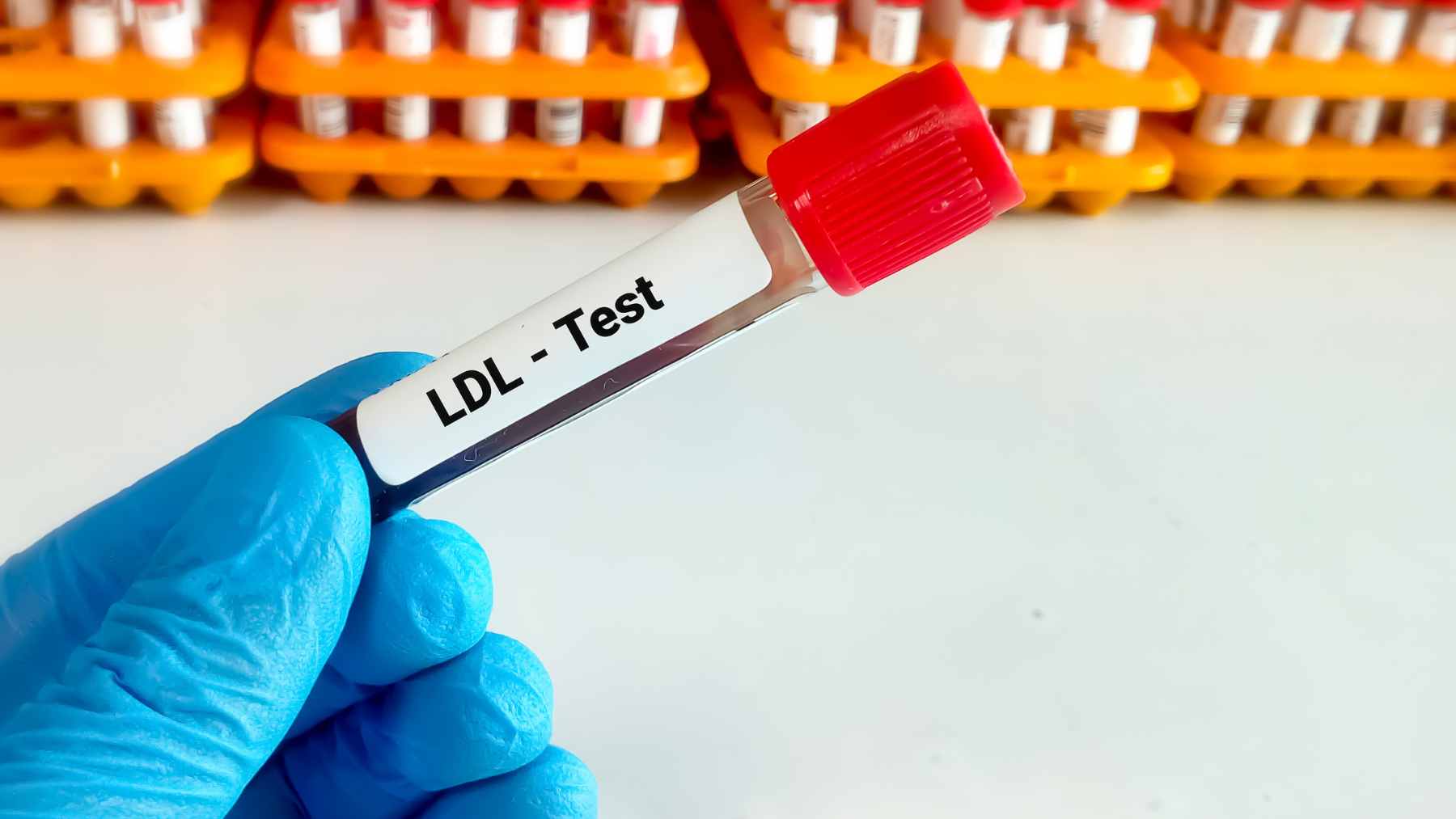
“LDL cholesterol, known as bad cholesterol, is no longer considered a simple risk factor, but a causal factor that begins to accumulate in the arteries at an early age without causing symptoms,” he told Corriere della Sera.
LDL is a type of fat-carrying particle in the blood. When too much of it stays in circulation, it can help form plaque, a sticky buildup inside artery walls that makes it harder for blood to flow. No pain, no warning light, no dramatic moment.
That warning fits with a 2017 CNIC study, which found LDL to be a leading modifiable predictor of hidden artery plaque even in people without classic risk factors. In plain English, some people can look healthy on the outside while trouble is slowly forming inside their arteries.
A guide built around swaps
The 2026 statement does not tell people to eat one perfect menu. Alice H. Lichtenstein, chair of the writing committee and senior scientist at the Jean Mayer USDA Human Nutrition Research Center on Aging at Tufts University, described the guidance as a complex review that evolves with new research, while keeping the focus on an overall eating pattern.
The nine features point toward fruits, vegetables, whole grains, plant-rich proteins, fish, seafood, and healthier fats. They also call for less added sugar, less salt, fewer ultraprocessed foods, and limited alcohol.
In practical terms, that means swapping a bacon-heavy breakfast for oatmeal and fruit, or seasoning dinner with lemon and herbs instead of shaking on more salt. Small changes count. That is the point.
Mediterranean eating without the myth
Oliva frames much of this as a return to the true Mediterranean diet, in the right portions. That does not mean a giant bowl of pasta every night. It means mostly minimally processed plant foods, olive oil as the main fat, and more fish and poultry than red meat.
This matters because the same foods that help control LDL can also support blood pressure and blood sugar. On the other hand, the guidance still leaves room for nuance, including debate over low-fat or fat-free dairy compared with full-fat dairy.
Movement is part of the meal plan
Food is only half of the story. The guidance starts with energy balance, a plain way of saying that what the body takes in and what it uses need to line up over time. For most people, that is not about a gym obsession.
The association’s Life’s Essential 8 recommends adults get 150 minutes of moderate activity each week or 75 minutes of vigorous activity. Kids need 60 minutes a day, including play, sports, or simply moving around instead of sitting for hours.

In practical terms, this can be a brisk walk after dinner, biking instead of sitting in traffic, or taking stairs when it makes sense. Less noise, fewer exhaust fumes, and a little more movement can all point in the same direction.
The numbers behind the warning
The pressure on prevention is not theoretical. U.S. projections estimate that more than 184 million people, exceeding six in ten adults, could have some type of cardiovascular disease by 2050, with direct and indirect costs reaching $1.8 trillion.
The World Health Organization estimates that cardiovascular diseases caused 19.8 million deaths in 2022 and remain the leading cause of death worldwide. Most of those deaths come from heart attacks and strokes, the very events prevention tries to delay or avoid.
What changes at home
The new guidance is surprisingly ordinary, and that may be its strength. Choose frozen or canned fruit and vegetables without added sugar or salt. Pick whole-wheat bread, oatmeal, beans, lentils, nuts, seeds, fish, and olive oil more often.
Ultraprocessed foods are the tricky part because they are everywhere, from the gas station shelf to the office vending machine. But the target is not perfection. It is replacing one habit at a time before silent damage turns into a diagnosis.
At the end of the day, the message is simple. Start earlier, eat more real food, move more, sleep well, do not smoke, and keep an eye on weight, cholesterol, blood sugar, and blood pressure.
The official scientific statement has been published in Circulation.