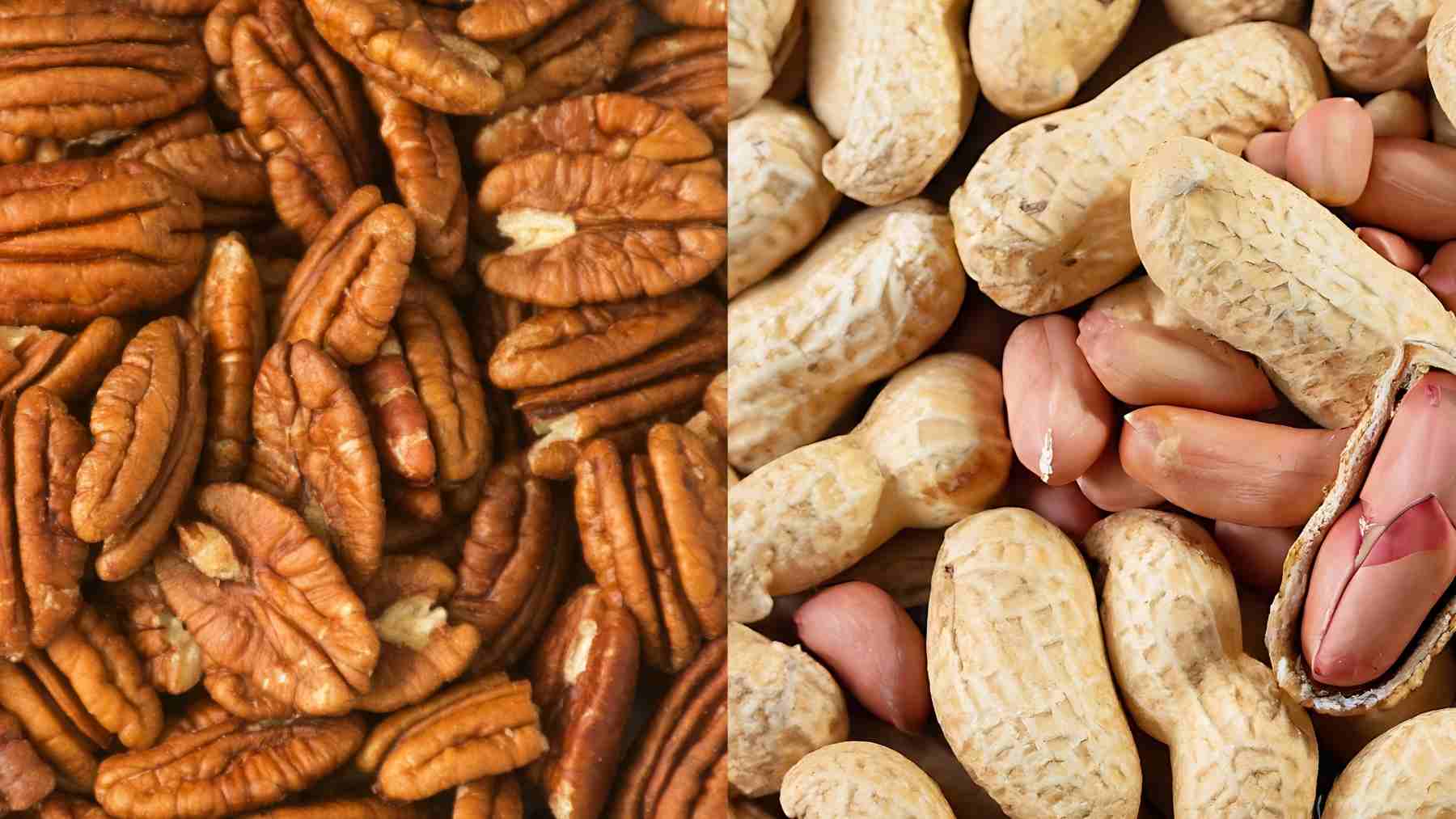
When people think about heart-healthy foods, nuts often make the list. But if you are standing in the snack aisle or looking at what to toss into oatmeal, one question comes up fast. Are pecans or peanuts actually better for your heart and cholesterol?
The short answer is that both can help. Both pecans and peanuts contain unsaturated fats, fiber, and plant compounds that support cardiovascular health, but pecans appear to have a slight edge for cholesterol and heart protection because they contain more of the fats linked to healthier blood vessels and lower “bad” cholesterol. Peanuts, though, still bring their own strengths to the table, especially when it comes to protein and several useful nutrients.
Why pecans may have the edge
Pecans stand out because they contain more total healthy fats than peanuts in a standard 1-ounce serving. They also contain less saturated fat, which matters because too much saturated fat over time is tied to a higher risk of heart disease and other metabolic problems.
In practical terms, that means pecans may be a better pick if your main goal is supporting cholesterol levels. A 1-ounce serving provides 21 grams of fat, including about 11.2 grams of monounsaturated fat and 6.62 grams of polyunsaturated fat, both of which are known to support heart health.
Peanuts still contain healthy fats too, just in smaller amounts. In the same serving size, dry-roasted unsalted peanuts provide 14.1 grams of fat, with about 7.42 grams of monounsaturated fat and 2.77 grams of polyunsaturated fat. That is still beneficial, but pecans deliver more of the kinds of fats that tend to get attention in heart-friendly eating plans.
What makes peanuts good for the heart
Peanuts are not technically nuts at all. They are legumes, which puts them in the same family as beans, peas, and lentils. Even so, they have been studied extensively for their heart-related benefits and remain a smart option for many people.
One reason is their nutrient mix. Peanuts contain resveratrol, an antioxidant that has also been studied in grapes and red wine, along with arginine, an amino acid that helps the body make nitric oxide. That matters because nitric oxide helps blood vessels relax and widen, which supports healthy circulation and may help with blood pressure.
Peanuts also provide niacin, folate, coenzyme Q10, and copper. These nutrients are linked to better cholesterol balance, healthy blood vessels, and energy production in heart muscle cells. So while pecans may come out slightly ahead on fat quality, peanuts are hardly the underdog. Not even close.
What pecans bring to cholesterol health
Pecans are especially rich in compounds that may help protect cholesterol from damage. That includes gamma-tocopherol, a form of vitamin E that acts as an antioxidant and may help calm inflammation in blood vessels.
They also contain polyphenols and flavonoids, which are plant compounds that may help reduce the oxidation of LDL, often called “bad” cholesterol. Why does that matter? When LDL becomes damaged, it is more likely to contribute to plaque buildup inside the arteries, and that is where the long-term trouble begins.
Pecans also provide fiber and magnesium. Fiber helps the body manage cholesterol and supports steadier blood sugar levels, while magnesium plays a role in blood pressure control and normal heart rhythm. At the end of the day, pecans offer more than just fat. They bring a full package that leans strongly in a heart-friendly direction.
The numbers behind the comparison
A side-by-side look helps explain why this debate is so close. In a 1-ounce serving, pecans contain 214 calories, while peanuts contain 166. That means pecans are more calorie-dense, which is something to keep in mind if portion size tends to creep up.
Peanuts contain more protein, with 6.9 grams per ounce compared with 2.74 grams in pecans. They also contain more carbohydrates. So for someone looking for a more filling snack or a slightly higher-protein option, peanuts may feel more practical and more affordable too.
But when the focus is heart health and cholesterol, pecans have the stronger nutrition profile overall. They contain about twice as much monounsaturated fat per serving and are particularly rich in antioxidants that may help protect the cardiovascular system. That slight difference may not sound dramatic, but over time, food choices like these can add up.
Portion size still matters
There is one catch with both foods. Nuts are calorie-dense, meaning a small handful can pack in a lot of calories before you realize it. Anyone who has mindlessly eaten from a large bag while watching a show knows how easy that can be.
That is why heart experts often recommend sticking to about 1 ounce per day. This amount is generally enough to get the nutritional benefits without pushing daily calorie intake too high. In other words, more is not always better, even when the food itself is nutritious.
Choosing unsalted versions is also important. Too much sodium can work against heart health, especially for people already dealing with high blood pressure. So the smartest option is usually plain pecans or plain peanuts rather than heavily salted or sugar-coated versions. It is the same basic idea behind recent advice to cut back on red meat and other foods that can push LDL in the wrong direction.
How to add them to meals
For the most part, the best nut is the one you will actually eat regularly. Pecans and peanuts can both fit into a balanced diet, and there are plenty of easy ways to use them without overthinking it.
They can be eaten raw as a quick snack, chopped over yogurt or oatmeal, or tossed into salads and grain bowls for crunch. They also work well in baked goods, homemade trail mix, roasted vegetable dishes, and no-bake energy bites.
If budget is a concern, peanuts may be easier to keep on hand. If cholesterol support is your top priority, pecans may be worth the extra cost once in a while. Some people may simply rotate both, which is a perfectly reasonable middle ground, especially if they are already leaning toward whole foods over ultra-processed foods.
So which one wins?
If the question is strictly about heart and cholesterol health, pecans appear to have the advantage. Their higher levels of unsaturated fats, lower saturated fat, and strong antioxidant profile make them a slightly better choice for supporting the heart.
Still, peanuts remain a nutritious option with their own important benefits, especially more protein and several nutrients tied to healthy blood vessels and cholesterol balance. So this is not really a story about one “good” food and one “bad” food. It is more about which one best matches your goal.