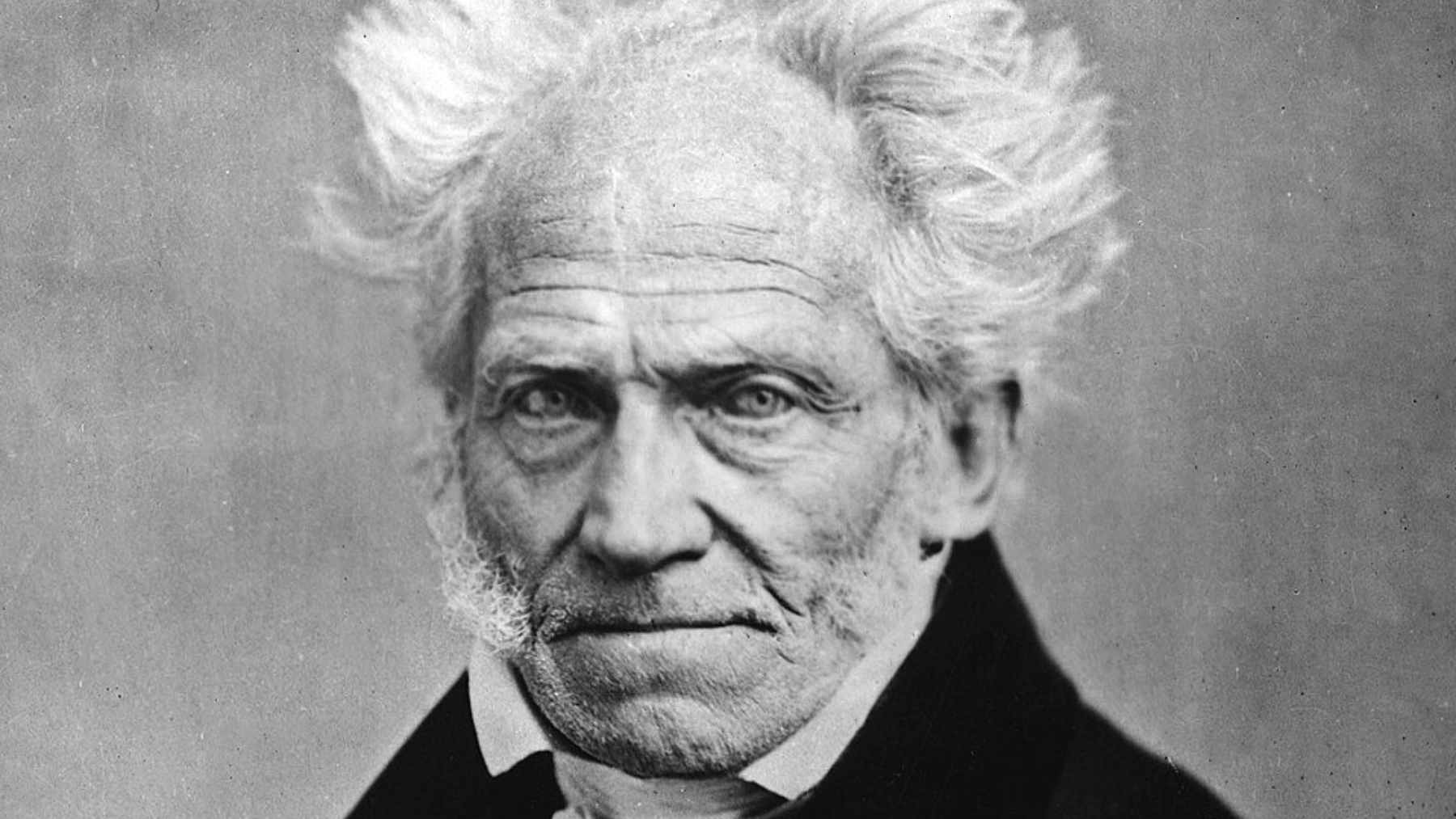
Nearly two centuries before salary apps, luxury influencers, and the quiet pressure to keep upgrading everything, Arthur Schopenhauer offered a sharp warning about money.
The German philosopher wrote that “Riches, one may say, are like sea-water; the more you drink the thirstier you become; and the same is true of fame.”
The point was not that money is useless. It was that wanting can grow faster than getting, leaving people thirstier after the raise, the new house, or the larger bank balance.
That idea still feels familiar in a world where many people are trying to pay rent, cover groceries, and still feel as if they are falling behind.
A warning about wanting more
Schopenhauer’s image works because it is so simple. Drinking seawater does not solve thirst. It makes the body crave more water, even as the person keeps drinking.
For him, wealth could work the same way when it became an endless chase. A person may get what seemed impossible a few years earlier, then quickly adjust and begin wanting the next thing. Sound familiar?
Money still matters
Schopenhauer was not pretending that poverty is romantic. In the same discussion, he treated money as unusually powerful because it can answer many different needs, from food to shelter to safety. In practical terms, money can stop a lot of pain.
That nuance matters. The electric bill, a medical emergency, or a lost job can make money feel less like a philosophical problem and more like oxygen. What he questioned was not money itself, but the belief that accumulation alone can settle the human mind.
Life behind the idea
Arthur Schopenhauer was born in 1788 in Danzig, now Gdańsk, Poland, and died in 1860. The Stanford Encyclopedia of Philosophy describes him as a major nineteenth-century thinker who argued that the world was not, at its core, ruled by reason.
His own life adds an interesting twist. The Internet Encyclopedia of Philosophy notes that he came from a prosperous merchant family and received a sizable inheritance after his father’s death.
That financial cushion helped him step away from commerce and devote himself to study, which makes his warning about wealth feel less like theory and more like observation.
What research adds
Modern studies do not simply prove Schopenhauer right or wrong. They complicate the picture.
In 2010, Daniel Kahneman and Angus Deaton of Princeton University reported that rising income improved well-being up to a point, while later work by Matthew Killingsworth of the University of Pennsylvania challenged the idea of a simple ceiling.
In a 2023 paper in the Proceedings of the National Academy of Sciences, Killingsworth, Kahneman, and Barbara Mellers found a more careful answer, money may keep helping many people feel better, but it does not erase every source of unhappiness.
That is close to the philosopher’s central concern. More money can give people more control, more choices, and more protection from hardship. But heartbreak, loneliness, grief, and boredom are not usually fixed by a bigger paycheck.
Spending can change the result
There is another layer, and it is a very human one. A study in Science by Elizabeth Dunn, Lara Aknin, and Michael Norton found that people assigned to spend money on others reported greater happiness than those assigned to spend it on themselves.
That does not mean buying a coffee, a phone, or a jacket is wrong. It means the emotional return on money can depend on how it is used. A gift, a shared meal, or help for someone under pressure can make cash feel less like seawater and more like actual water.
Why it feels current
Schopenhauer wrote long before online shopping carts and social feeds. But the psychological loop he described still has a modern shape. A person sees someone else’s vacation, car, kitchen, or career milestone, then silently moves the finish line.
That is where the quote keeps its bite. The problem is not only wanting something better. The trouble begins when “better” becomes permanent motion, with no place to stop and breathe.
Not a call to give up
At the end of the day, Schopenhauer’s warning is not a demand to reject ambition. Wanting a stable home, a fair wage, and room to enjoy life is not the same as being trapped by greed. For the most part, those are basic conditions for dignity.
His sharper message is about proportion. What a person is, how they think, how they treat others, and what they do with their time can matter more than what they manage to own. Money can help build that life, but it cannot become the whole blueprint.
A modern lesson
So what should a reader take from one old sentence about wealth and seawater? Maybe this. Money is a tool, not a thirst.
Used well, it can protect a family, open doors, and reduce daily stress. Treated as the final answer, it can keep pushing satisfaction just out of reach. Schopenhauer’s old warning survives because it does not scold people for needing money. It asks a harder question about what happens when need turns into endless appetite.
The main work discussed here has been published by Project Gutenberg as The Essays of Arthur Schopenhauer, The Wisdom of Life.