Most people grow up hearing that success is the thing to chase. Good grades, better jobs, public praise, money, titles, followers, and likes can start to feel like a scoreboard for human worth. The idea is so common that many people barely stop to question it.
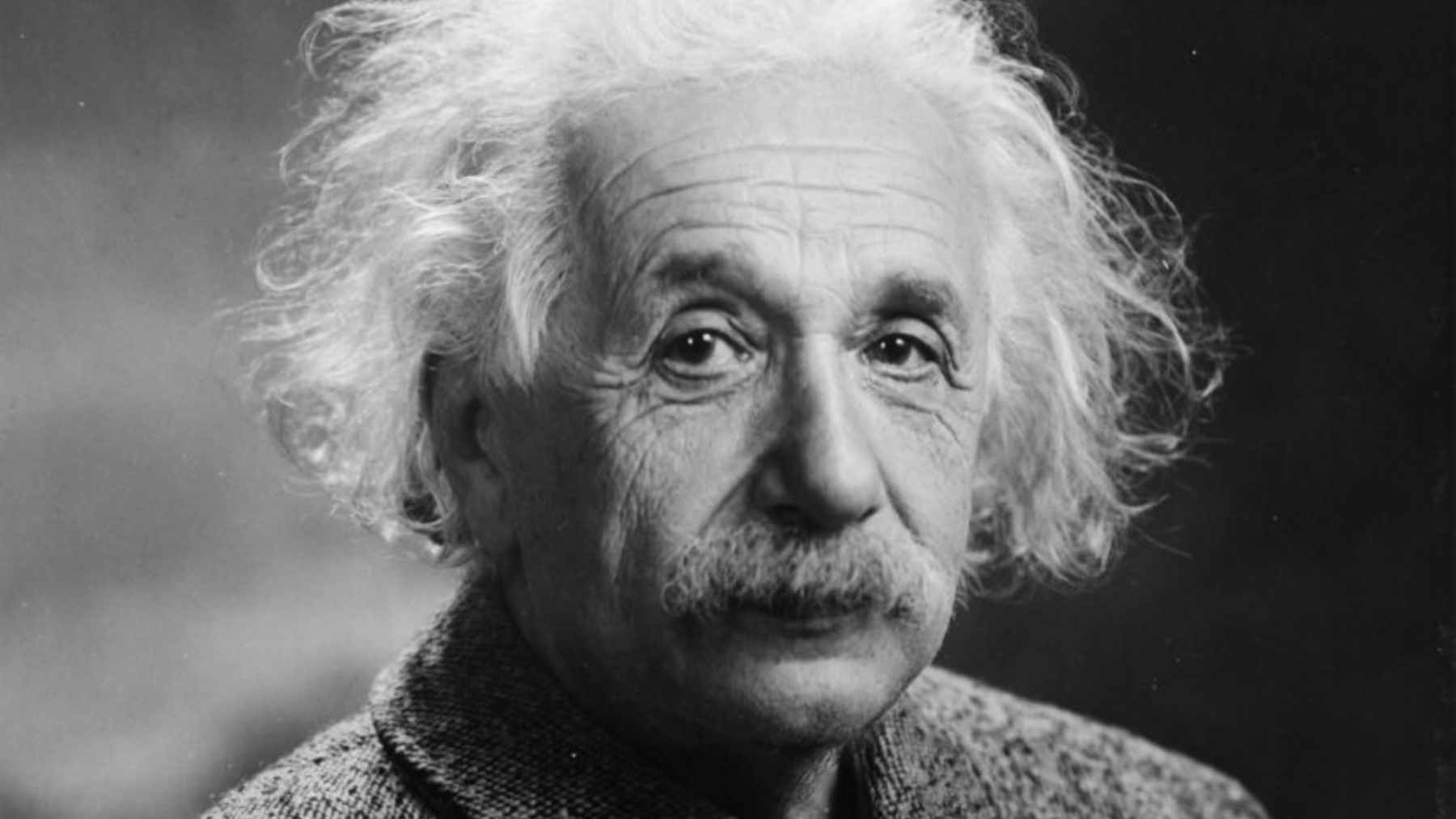
Albert Einstein did stop to question it, long before social media turned approval into a daily performance. In a 1955 Life magazine piece by William Miller, the physicist is credited with the advice, “Try not to become a man of success, but rather try to become a man of value.”
The line still lands because it asks a simple but uncomfortable question. What are we really trying to become?
Success and value take different roads
Success, as many people use the word, is measured from the outside. It can mean a bigger salary, a stronger title, a better-known name, or a trophy that proves someone finished first. Those things can matter, but they can also disappear quickly.
Value works differently. It grows from character, not applause. A person of value tries to act with honesty, empathy, responsibility, and courage, even when nobody is watching.
That difference matters because success is often comparative. Someone has more, someone has less, and the scoreboard keeps moving. Value is less flashy, but it is steadier because it depends on how a person chooses to live.
The cost of chasing applause
In a culture that rewards visibility, it can be tempting to treat attention as proof of importance. A viral post, a promotion, or a public win can feel like oxygen for a while. Then the feeling fades, and the chase starts again.
That cycle can leave people exhausted. The trouble is not ambition itself, but ambition without direction. When recognition becomes the main goal, principles, friendships, and peace of mind can quietly slide into second place.
Einstein’s warning does not say success is bad. It says success is too weak to carry a whole life by itself. Without values underneath it, even a crowded résumé can feel strangely empty.
Einstein knew achievement was not enough
Einstein was not speaking as someone who failed to achieve. The Nobel Prize organization lists him as the sole winner of the 1921 prize in Physics for his services to theoretical physics and especially for his work on the photoelectric effect. That makes the quote harder to dismiss.
He also served as one of the first faculty members of the Institute for Advanced Study from 1933 until his death in 1955. In other words, this was not a rejection of work, excellence, or intellectual discipline. It was a reminder that achievement should be tied to contribution.
That is the sharper lesson. If one of the most celebrated scientists in modern history could look past fame and ask about value, the rest of us may have reason to pause too.
Being valuable is often quiet
Being a person of value rarely looks dramatic. At school, it can mean helping a classmate understand a problem instead of laughing when they struggle. At work, it might be giving credit fairly, telling the truth, or doing the boring task no one wants.
At home, it can be even simpler. Listening without checking your phone. Showing up when someone needs help. Apologizing without turning it into a debate.
These moments may never trend online. Still, they shape daily life in a way that awards and titles usually do not. People remember who made them feel seen, safe, and respected.
A useful test for modern ambition
Before chasing the next goal, Einstein’s quote suggests a practical test. Is this pursuit only about being admired, or will it help someone else too? That question can change the whole direction of a decision.
It does not mean giving up dreams. It means asking ambition to serve something larger than ego. In practical terms, a successful career can still matter, but the way it is built matters just as much.
At the end of the day, what the quote is trying to do is shift the center of gravity. Less “How do I look?” More “What am I giving?”
What lasts after applause fades
The deepest part of Einstein’s message is that value outlives attention. Money can be spent, status can change, and public praise can move on to the next person. Character leaves a different kind of trace.
That is why the quote still feels current in 2026. It speaks to students worried about grades, workers worried about status, and anyone scrolling through polished lives online. What counts most may not be how loudly life applauds, but whether we lived with purpose.
The original work containing the statement was published in Life magazine.