What happens when the cheers stop and an ordinary day becomes difficult to face? European Cup hero Juary says work as a ride-hailing driver in Santos, Brazil, helped him rebuild his routine after a period he described as depression.
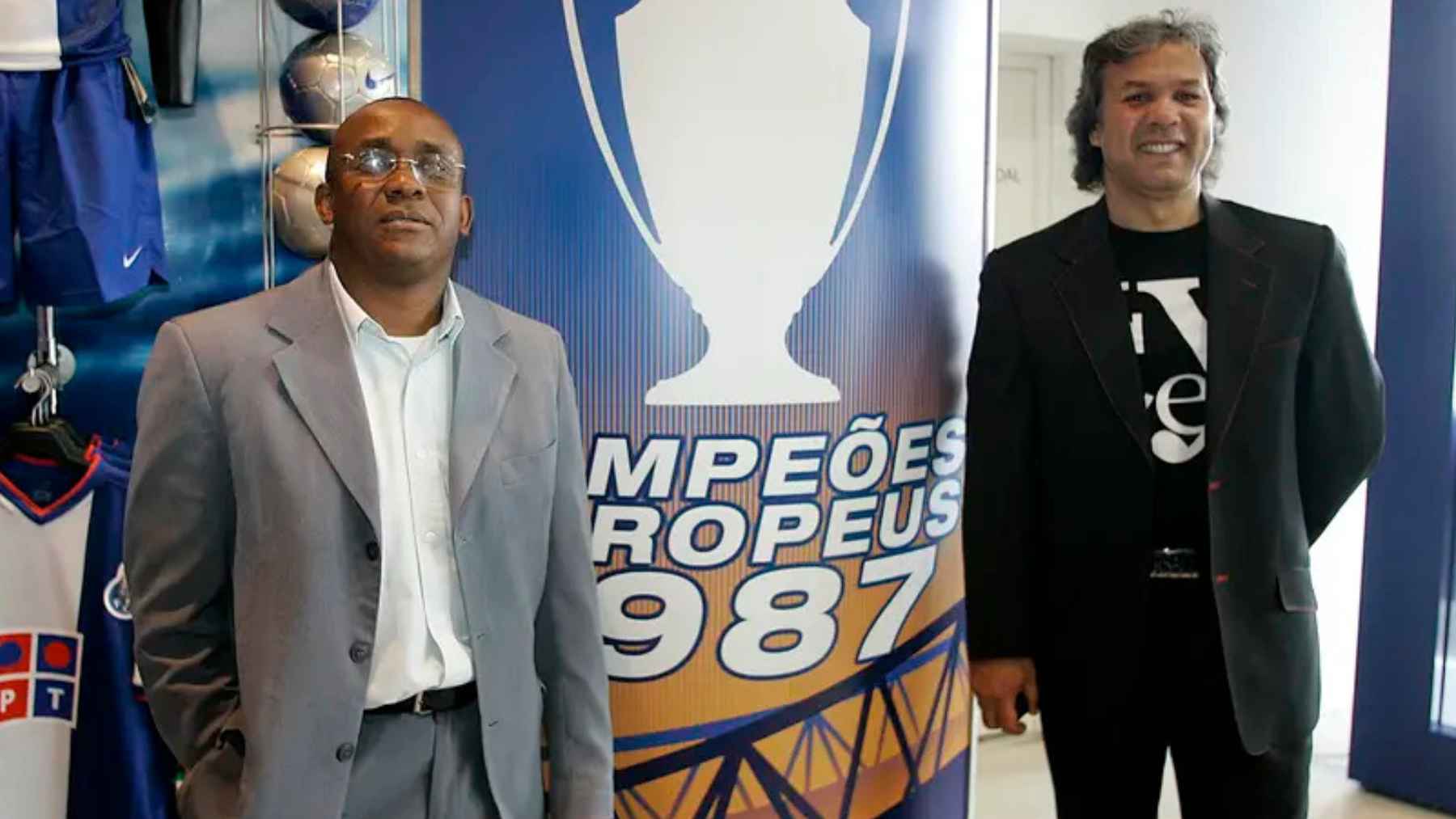
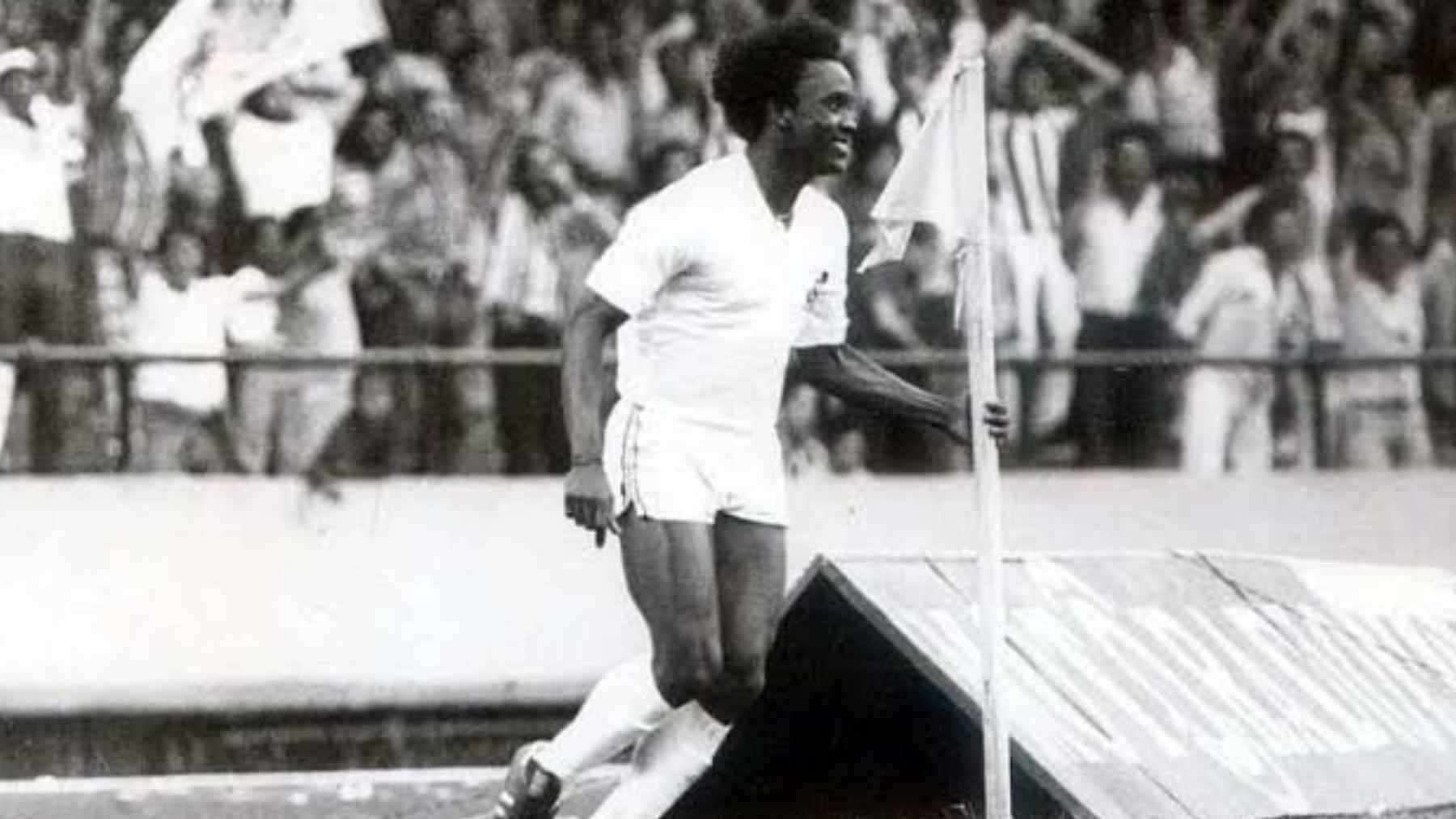
For soccer fans, Juary is frozen in one unforgettable moment. In the 1987 European Cup final, the tournament now known as the UEFA Champions League, the Brazilian forward scored the winning goal that completed FC Porto’s comeback against Bayern Munich in Vienna.
When daily life stalled
The change began early in 2026, when Juary noticed that his days had become almost motionless. He said he would wake at 10 a.m., stay in the living room for hours, and go to bed around 3 a.m., sometimes without getting up even to eat.
He also stopped smiling and joking, while his expression and behavior changed enough to alarm him. “I didn’t recognize myself,” he recalled in a recent interview. This was no ordinary bad day, at least in his telling, because his usual energy and interest in everyday life had faded.
His wife pointed him toward the road
His wife finally urged him to do something that matched two things he had always enjoyed, driving and talking with people. She suggested that he leave the house, sign up for Uber, and create a reason to move through the day again.
He followed that advice about two months before the interview and began accepting rides around Santos without a fixed schedule. The job was modest compared with the stadiums of his playing days, but it gave the day a shape again. There was somewhere to go, someone to meet, and another conversation waiting after the next traffic light.
Passengers brought conversation back
Most passengers do not recognize the former star behind the wheel, and Juary does not appear troubled by that. What matters, he said, is the daily exchange of stories with people who climb into his car carrying work worries, family problems, shopping bags, or plans for the rest of the day.
One older passenger did recognize him and remembered the young team known as the “Meninos da Vila.” For Juary, that brief encounter captured why the work feels meaningful. “For me, it is therapy, because I found myself again,” he said.
A personal account of recovery
Juary said the new routine pulled him out of depression without medication or a visit to a doctor. That statement reflects his own experience, not a general treatment recommendation. Recovery can look different from one person to another, and a job that helps one person reconnect may not be enough for someone else.
The World Health Organization says effective care for depression can include psychological treatment and, depending on a person’s needs and the severity of symptoms, medication. Juary’s story still shows why routine and human contact can feel powerful.
A short ride across town may seem ordinary, but for him those small exchanges became a bridge back into daily life.
The goal that made him a Porto hero
Juary’s name remains tied to May 27, 1987. The Portuguese club trailed the German side by one goal before Rabah Madjer scored a famous backheel equalizer in the 77th minute. Three minutes later, Madjer created another opening and Juary finished the move for a 2 to 1 victory.
That goal made him a champion of Europe and a permanent part of the club’s history. Later that year, he was also part of the squad that won the Intercontinental Cup, which matched Europe’s champion with South America’s champion.
Yet the driver now moving through Santos traffic speaks less like a man living inside an old highlight reel and more like someone trying to keep moving.
Before Vienna came the Meninos da Vila
Long before the night in Austria, Juary became a leading figure at Santos. The youthful “Meninos da Vila” won the 1978 São Paulo state championship, the club’s first such title after the Pelé era, and Juary led the competition with 29 goals.
His career later took him to Universidad Guadalajara in Mexico and to Avellino, Inter, Ascoli, and Cremonese in Italy before his successful years in Portugal. He eventually returned to youth development at his first club, with his last reported soccer role ending in 2020. The path was long, noisy, and international, while his latest chapter is quieter.
Learning to live in the present
Juary remains proud of the goals and trophies that supporters still remember, but he also recognizes the boundary between a celebrated career and everyday life after retirement. “We are former players. We have to understand that,” he said.
That may be the clearest lesson in his new routine, because the past cannot be erased but cannot drive the car, either. These days, Juary is finding purpose, one passenger and one conversation at a time.
The original interview was published by A Tribuna.