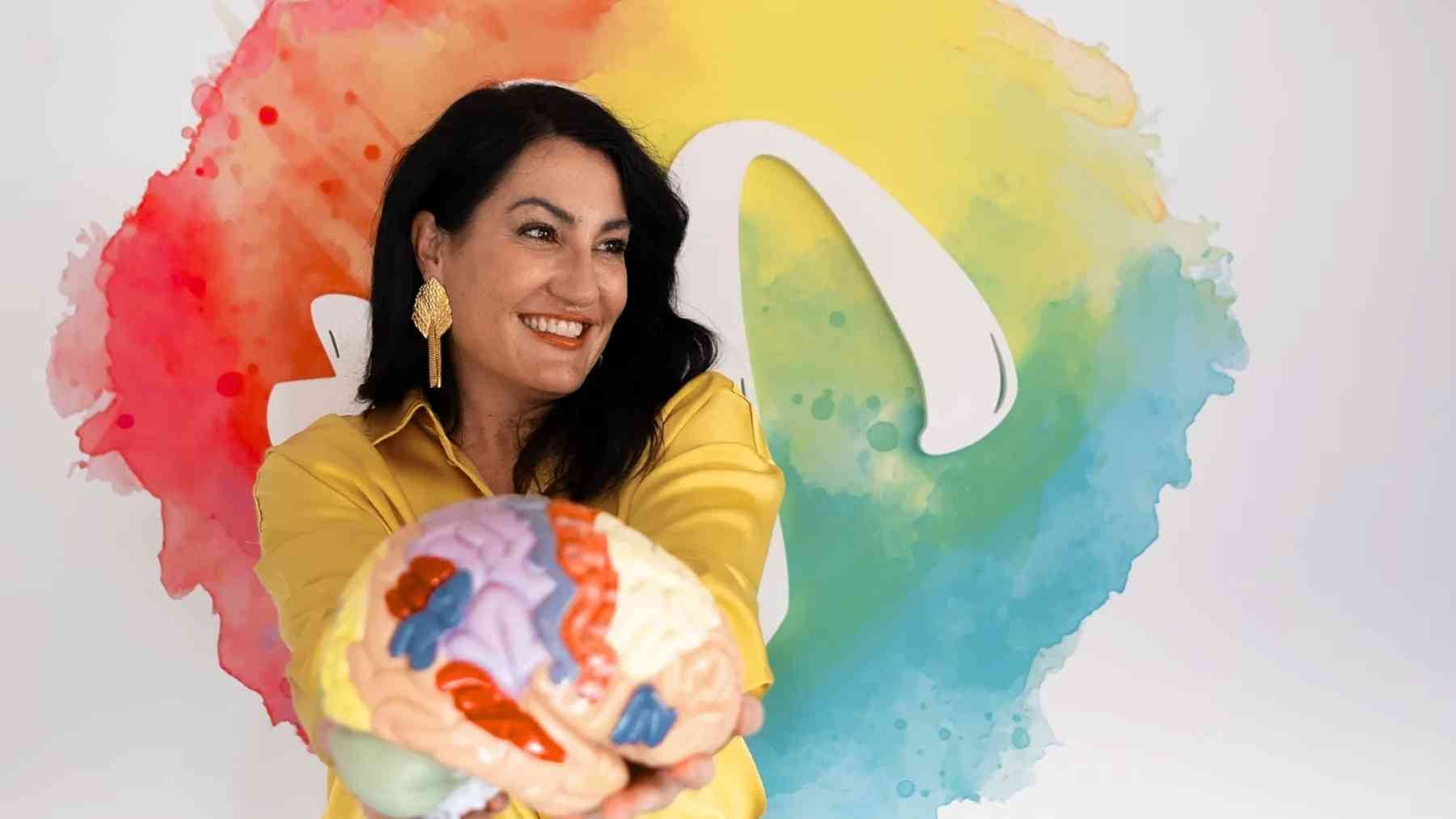
What if the most powerful brain habit is not another app, supplement, or memory game, but the friend you keep meaning to call? Dr. Ana Asensio, a health psychologist, psychotherapist, and neuroscientist, argues in her new book “El cerebro necesita abrazos” that human connection is not a soft extra in life. It is part of how the body stays regulated, protected, and alive.
Her message lands at a time when loneliness is being treated more and more like a public health issue, not just a private feeling. The Harvard Study of Adult Development, which began tracking participants in 1938, has repeatedly pointed to close relationships as a major predictor of health, happiness, and aging well. In practical terms, that means friendship may belong in the same conversation as sleep, exercise, and nutrition.
Why relationships are health care
Asensio puts it in a simple way. Humans are not built to grow alone. Babies arrive unable to walk, feed themselves, or calm their own nervous systems, and that early dependence never fully disappears. It changes shape.
That is why she pushes back against the idea that needing others is weakness. “We are interdependent,” she says. You may be independent enough to drive, work, or cook dinner, but the brain still looks for safety in other people.
The data backs up the bigger point. A major PLOS Medicine review of 148 studies involving more than 308,000 people found that stronger social relationships were linked to a 50% higher likelihood of survival. The researchers concluded that social relationships influence mortality in a way that is comparable with other established health risks.
The body notices loneliness
Loneliness does not just feel bad. Over time, it can place stress on the body in ways that affect physical health. The U.S. Surgeon General’s social connection resources note that social isolation can raise the risk of premature mortality by 29%.
The same official guidance also links poor social relationships, social isolation, and loneliness with a 29% higher risk of heart disease and a 32% higher risk of stroke. Those numbers are hard to shrug off. They suggest connection is not only emotional comfort, but a form of prevention.
Asensio describes good relationships as a kind of internal medicine. A smile, a remembered message, a look across the table, or a real hug can help a person feel seen and safe. Small moments count, especially on the ordinary days when no one is posting anything dramatic online.
The brain needs real contact
The best brain workout, in Asensio’s view, is not necessarily a memory workshop. “The best gym for your brain is not a memory workshop, but meeting friends,” she says. A good conversation makes you listen, respond, remember, laugh, disagree, and regulate emotion all at once.
That does not mean puzzles, reading, or learning are useless. Far from it. But the brain does not live only in the skull. It is shaped by movement, fresh air, voice, facial expression, and the feeling that someone is paying attention.
Harvard Health Publishing has also highlighted the value of staying connected, noting that personal connection creates mental and emotional stimulation, while isolation can drag mood down. That is the everyday version of the science. Coffee with a friend is not just coffee.
Screens can help, but they cannot hold you
Asensio is not anti-technology. She makes that clear. Screens can help people stay in touch, work faster, learn more, and even feel less alone in certain moments.
The trouble starts when the screen replaces the parts of connection the body understands best. A group chat with 500 people may look full, but the nervous system still needs faces, gestures, voices, and touch. “A real bond is cooked slowly, like a stew,” Asensio says.
That line matters for teenagers and adults alike. Likes, short videos, shopping, and quick digital rewards can briefly cover emptiness, but they do not always build belonging. Asensio’s rule is direct. “The screen is good when it serves you and does not eat your life.”
AI should give us time back
The rise of artificial intelligence adds a new twist. If a tool saves time by summarizing a text or speeding up a task, what should happen to the minutes left over? Asensio worries that many people will simply fill them with more productivity.
Her suggestion is more human. Use some of that saved time for health, movement, rest, and real relationships. At the end of the day, a faster inbox is not the same as a calmer life.
This is where her message feels especially modern. Technology may make work smoother, but it cannot replace the protective value of belonging. A walk with someone you trust may do more for your brain than another hour of optimized output.
When love hurts
Of course, not every relationship heals. Some bonds bring conflict, rejection, or the feeling of being used. Asensio is careful about this point, because the answer is not to keep every relationship at any cost.
She says repeating painful patterns often has to do with familiarity. The nervous system may mistake intensity for love because intensity feels known. That is not the same as safety.
A healthy bond does not have to be perfect. People argue, disappoint each other, and miss the mark. But a good relationship should still leave room for respect, repair, and the feeling that you can count on the other person when life gets messy.
A daily habit, not a luxury
The World Health Organization has also pushed this issue into the global health conversation. In 2025, its Commission on Social Connection reported that 1 in 6 people worldwide is affected by loneliness, with loneliness linked to an estimated 871,000 deaths each year.
So what should readers keep in mind? Call the friend. Look at the waiter when you order. Ask the person in front of you what they need before trying to win the argument. Simple, yes. But not small.
The press release was published on World Health Organization.