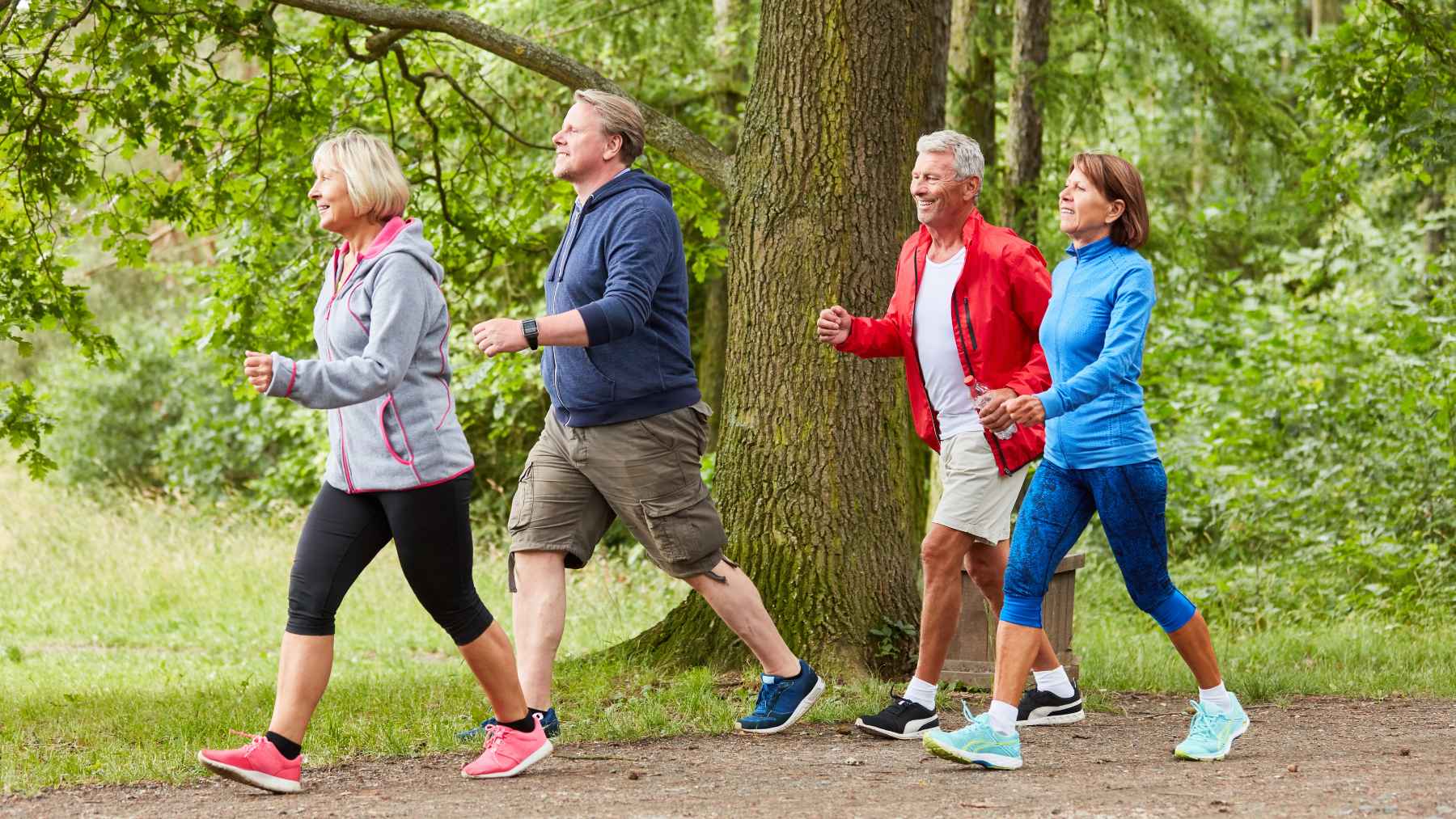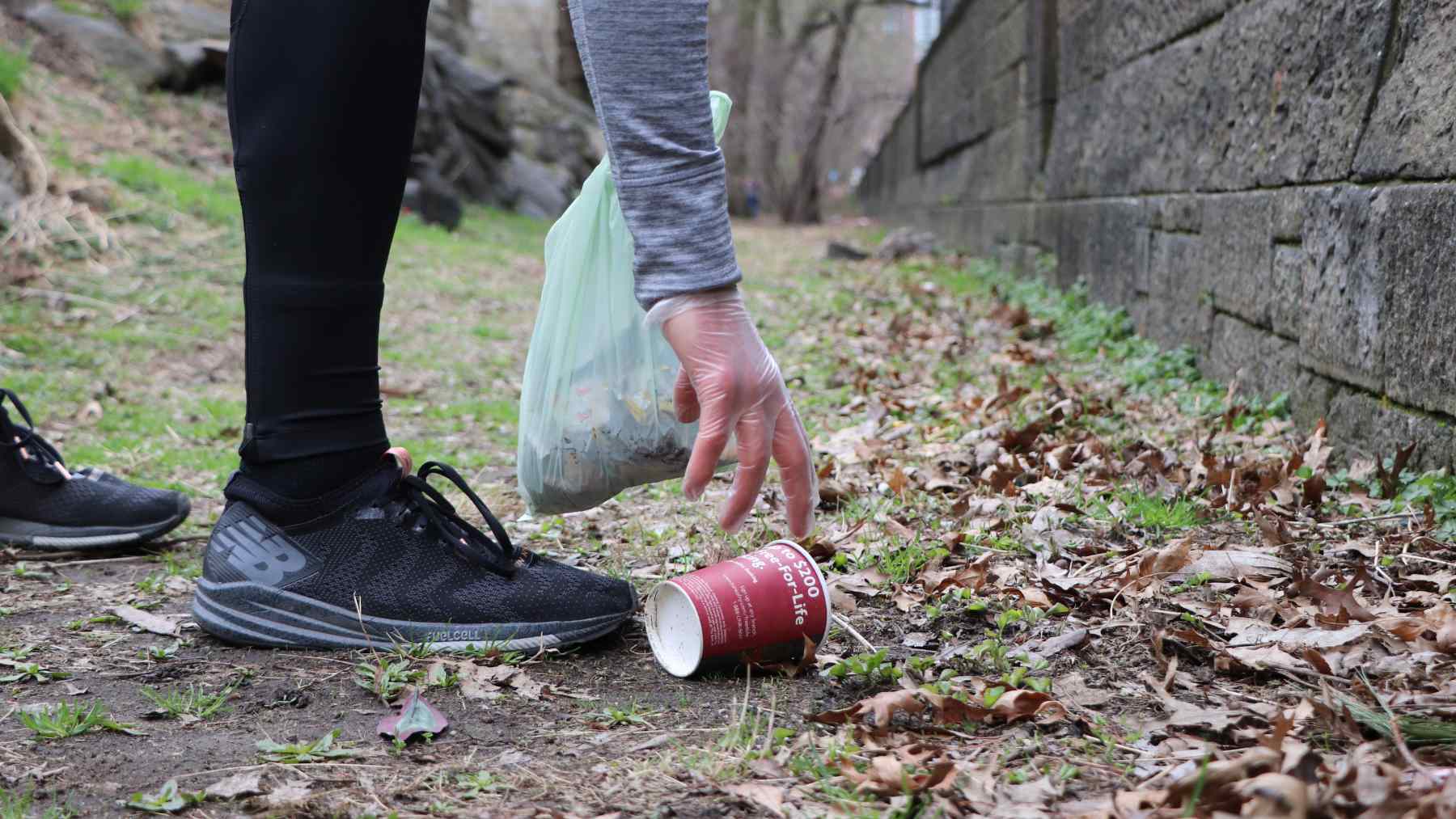
If you have ever finished a run feeling proud, then looked down at a sidewalk full of cups and wrappers, you already understand why plogging is catching on. The idea is simple. You jog, you pick up litter, and you head home with the kind of “I did something” feeling that usually takes a whole volunteer shift.
In New York, plogging has moved from a quirky concept to a pre-race ritual, with New York Road Runners hosting events ahead of major races and making supplies like bags and gloves easy to grab. For runners, it is cardio with a visible result, and for the city, it is a small but steady nudge toward cleaner streets.
How plogging became a pre-race ritual in New York
Plogging blends jogging with picking up trash, and even the name is a mashup, combining the Swedish phrase “plocka upp” (“pick up”) with “jogging.” In New York, early organized plogging events were launched by NYRR in 2019 as part of an Earth Day campaign, and the practice spread from Manhattan into other neighborhoods.
NYRR has tied plogging to big moments on the running calendar, including events held before races like the United Airlines NYC Half, the RBC Brooklyn Half, and the New York City Marathon. At NYRR’s Manhattan headquarters, people can grab bags and gloves and head out alone or with a group.
Aly Criscuolo, NYRR’s director of sustainability, told the New York Post that the marathon’s huge crowd helps the message travel, because “even outside formal events” some people now pick up trash on regular morning runs.
The numbers suggest it is more than a niche meetup. Criscuolo said average participation “reaches almost 100 attendees,” mixing registered runners with neighbors who just want to help.
Why this workout feels different than a normal run
On paper, plogging is just running with interruptions, but those interruptions change the feel of the workout. Jason Fitzgerald, a running coach and host of the Strength Running Podcast, told the New York Post that stopping to pick up litter can lead to “a lower heart rate” than a conventional steady run, which can support recovery.
There is also early research suggesting plogging is not automatically an easier option. In a 2022 study published in WORK, researchers found energy expenditure was similar between plogging and jogging, and they described plogging as potentially “strenuous” based on cardiovascular strain. In that same study, plogging showed a higher percentage of calories burned from fat.
So what does that mean for your average runner who just wants to move more? Think of plogging as a dial you can turn, because you control the pace, the stops, and the amount you carry, which matters when your “free time” is basically a gap between meetings and dinner.
It also matters because a CDC data brief found that in 2020 only 24.2% of U.S. adults met federal guidelines for both aerobic and muscle-strengthening activity.
The mental health perk people do not always expect
The physical side is only half the story. A 2024 meta-analysis covered 218 randomized trials with more than 14,100 participants and found exercise can reduce depressive symptoms, with walking or jogging among the approaches linked to benefit.
Plogging adds a layer of purpose that can make it easier to show up on days you would rather stay on the couch. Retired marathoner and sustainability advocate Tina Muir told the New York Post she felt excited to do something “concrete” for the city she calls home, and she noticed that visible acts of care can spread. She also called it “a great way to build community and friendship.”
Still, it is worth keeping perspective. Exercise can be a powerful support for mental health, but experts stress it should sit alongside other options like therapy and medication when needed, not replace them.
The small movement details that keep plogging safe
If you have ever tweaked your back picking up a grocery bag the wrong way, you can guess the main risk with plogging. Repeated bending plus a bag that pulls to one side can add strain, and researchers have called for ergonomic strategies to reduce musculoskeletal injury risk.
One practical takeaway is to avoid the pure waist bend when you can. The same 2022 study rated stooping as higher risk than positions that look more like a squat or lunge, which lines up with Criscuolo’s point that plogging naturally adds squat and lunge like movement to a run. Criscuolo has also recommended stretching afterward, especially if you are not used to the extra bending.
The other safety piece is common sense, but it matters in a city. Gloves help, eyes up helps more, and you can skip anything sharp or questionable because the goal is a healthier run, not a heroic one.
Making plogging a habit instead of a one-off challenge
The easiest way to make plogging stick is to treat it like a normal run with a small twist. Fitzgerald has suggested starting with familiar routes, since plogging takes longer than you expect once you add stops, and planning ahead keeps the workout from turning into stress.
It also helps to define what success looks like. Some days it might be one block outside your subway stop, the spot where cups seem to multiply overnight, and other days it might be joining a group before a race weekend when motivation is already high.
And yes, plogging will not solve the climate crisis by itself, which is something Criscuolo has said directly. But it can turn a routine you already do into a small act of care that keeps you moving, and that combination is hard to beat.
The study was published on ‘The BMJ’, and it is a reminder that simple movement can support your mind as well as your body.