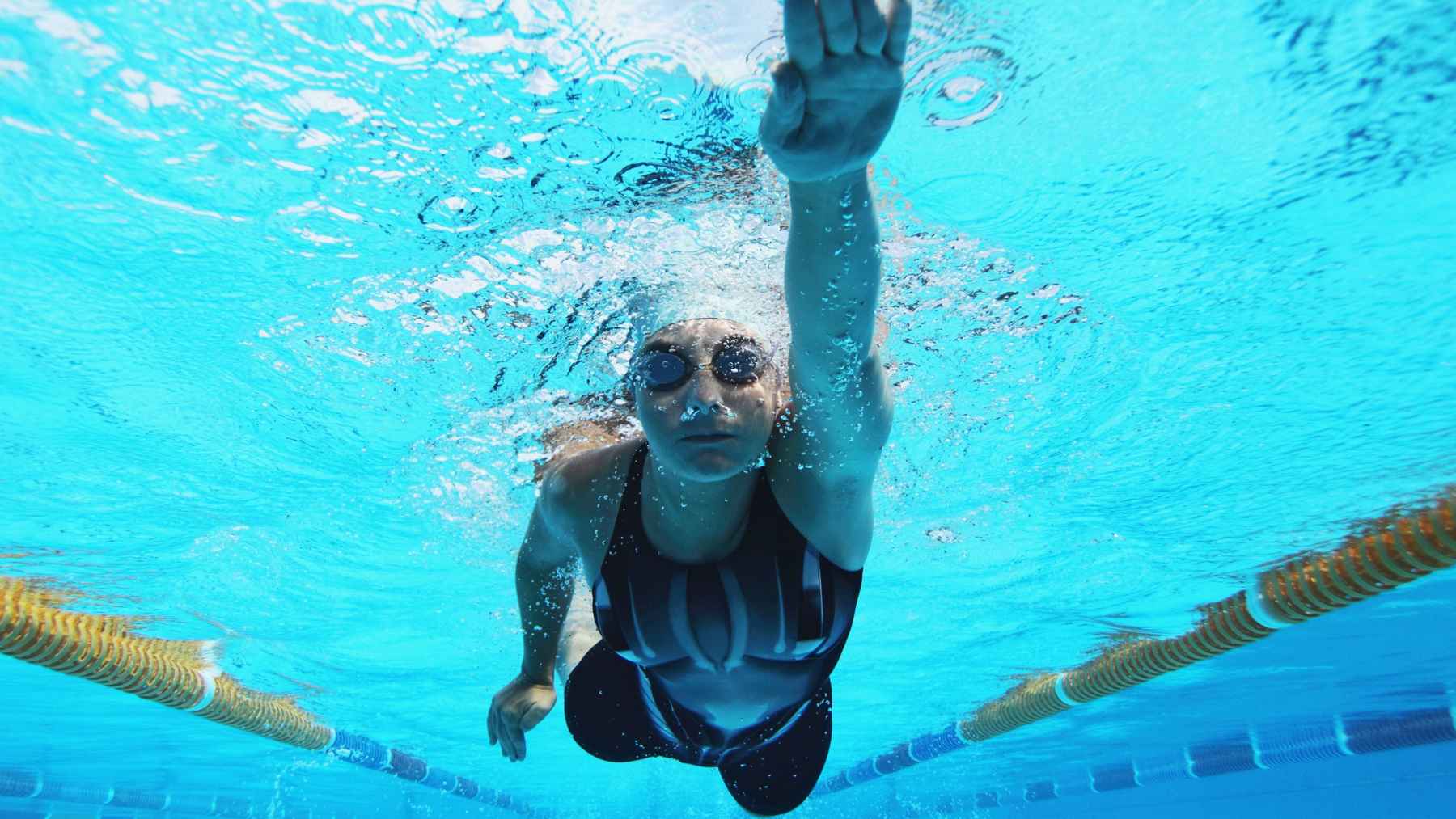
Walking and cycling get plenty of attention when people talk about heart health. But one familiar workout may deserve a bigger place in that conversation. According to Cleveland Clinic, swimming is a full-body aerobic exercise that can support the heart, lungs, muscles, and joints while putting less strain on the body than many land-based activities.
That does not mean everyone needs to train like an Olympic swimmer. The real takeaway is simpler. For many people, especially those with joint pain, excess weight, limited mobility, or a history of avoiding exercise, the pool can make cardio feel possible again. And that can change everything.
Why swimming stands out
Swimming is cardiovascular exercise, which means it raises the heart rate and challenges the body to use oxygen more efficiently. Cleveland Clinic notes that swimming has been linked with better cholesterol levels, lower blood pressure, and a reduced risk of heart disease.
The strongest number getting attention comes from a large cohort study of 80,306 British adults. Researchers found that people who reported swimming had a significantly lower risk of cardiovascular disease mortality compared with those who did not participate in that activity. In practical terms, the hazard ratio was 0.59, which is commonly described as a 41% lower risk.
Still, this matters. Observational research cannot prove that swimming alone caused the lower risk, since swimmers may also have other healthy habits. But the finding adds weight to what exercise experts have said for years, which is that regular aerobic movement is one of the most reliable ways to care for the heart.
A boost for circulation
So, what makes swimming different from a walk around the block? Water pushes back. Every stroke, kick, and turn asks the arms, legs, core, and back to work against gentle resistance.
That steady effort helps the heart pump blood through the body while the lungs keep up with the demand for oxygen. The American Heart Association explains that aerobic activity improves cardiorespiratory fitness, and it lists swimming laps as a vigorous aerobic activity.
There is also a practical side here. On days when running feels too harsh, or when knees complain after a long commute or a noisy afternoon in traffic, the water offers a different path. You can work hard without pounding the pavement.
Easier on joints
One major reason swimming is so widely recommended is buoyancy. In water, the body is supported, which reduces the impact placed on hips, knees, ankles, and the lower back. That is why a pool workout can feel less punishing than jogging, even when the heart is working.
The CDC says people can often exercise longer in water without increased joint or muscle pain. It also notes that water-based exercise can help people with arthritis improve joint use, reduce pain, and avoid worsening symptoms.
That is not a small detail. For someone who has stopped moving because exercise hurts, a pool can feel like a second chance. Sometimes the best workout is not the hardest one. It is the one you can actually keep doing.
More than laps
When people hear “swimming,” they often picture nonstop laps and perfect technique. That can be intimidating. Who wants to feel exhausted halfway across the pool?
But Cleveland Clinic points out that water walking and water aerobics can also be useful, especially for people who are new to exercise or returning after a health setback. Christopher Travers, MS, an exercise physiologist quoted by Cleveland Clinic, says these activities can feel “more accessible than lap-swimming.”
That matters because consistency beats perfection. A beginner might start with five or 10 minutes in the pool, then slowly build up. Over time, that modest routine can become a real cardiovascular habit.
How much is enough
For adults, the CDC recommends at least 150 minutes of moderate-intensity physical activity each week, or 75 minutes of vigorous-intensity activity. It also recommends muscle-strengthening activity on at least 2 days per week.
Swimming can fit into that plan in different ways. Water aerobics may count as moderate activity, while lap swimming is generally more intense. The American Heart Association also recommends mixing moderate and vigorous activity when possible, along with strengthening and stretching.
The good news is that those minutes do not have to happen all at once. A couple of shorter pool sessions during the week can still help build the habit. Start where you are.
Who should be careful
Swimming is gentle in some ways, but it is still exercise. Anyone with heart disease, chest pain, shortness of breath, dizziness, a recent cardiac procedure, or a major medical condition should check with a health care professional before starting. Cleveland Clinic also advises people recovering from major cardiac events or procedures to get medical guidance first.
The American Heart Association gives similar advice for adults with cardiovascular disease or other pre-existing conditions. It also recommends increasing activity gradually over time, which is especially important for people who have been sedentary.
Pool safety matters too. The CDC warns that recreational water can spread illness or cause injury, so swimmers should pay attention to hygiene, water quality, and safe pool conditions. A guarded pool is a smart place to begin, especially for anyone who feels unsure in the water.
The heart-health takeaway
Swimming is not magic, and it is not the only good exercise. Walking, cycling, dancing, strength training, and many other activities can support long-term health when done regularly.
But the pool has a rare advantage. It combines cardio, resistance, breath control, and lower joint impact in one workout. For the heart and circulation, that makes it a powerful option.
At the end of the day, the best exercise is the one that helps you move more often without dreading it. For many people, that may be swimming.
The full study was published in the British Journal of Sports Medicine.