That little urge for dessert after lunch can feel almost automatic. You finish the meal, clear the plate, and suddenly the brain starts asking for chocolate, cookies, or anything sweet enough to keep the moment going.
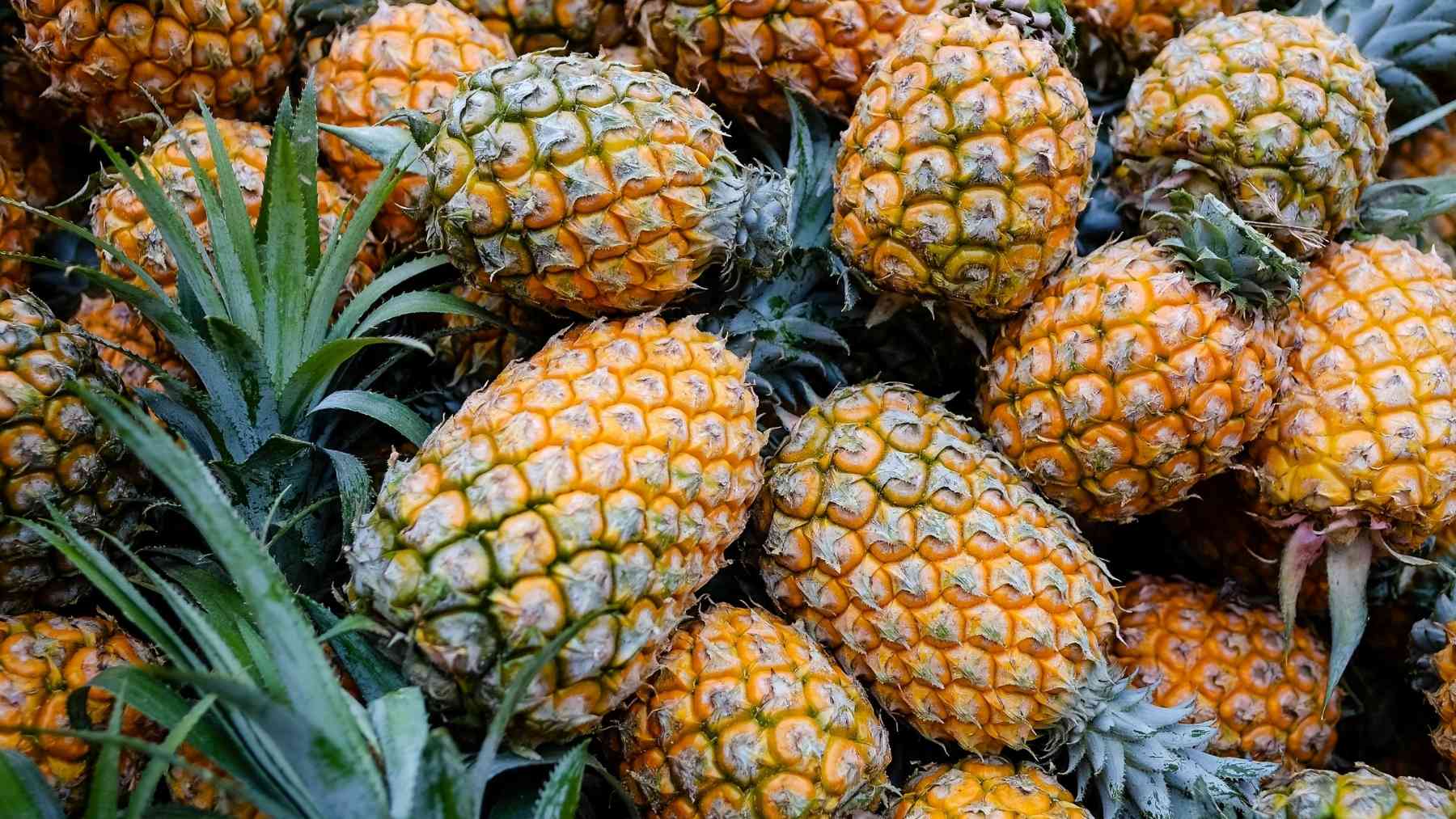
Spanish radiologist and university professor José Manuel Felices says pineapple may help interrupt that pattern, not because it is magic, but because of the way it affects the tongue. “Pineapple works so well for sweet cravings because it contains bromelain,” he explained, adding that the fruit can create a prickly mouth sensation that may “take away the desire to eat something sweet afterward.”
Why the craving hits
Food cravings are not just about weak willpower. Harvard’s Nutrition Source describes cravings as a mix of brain signals, learned habits, stress, sleep, hormones, and easy access to highly palatable foods, especially those high in sugar, salt, or fat.
That is why the after-meal dessert habit can become so sticky. The body may not need more energy, but the routine still feels familiar, comforting, and hard to ignore.
Bromelain does the work
The key compound in pineapple is bromelain, a group of enzymes found in the fruit and stem of the pineapple plant. The National Center for Complementary and Integrative Health says bromelain breaks down proteins, which is why it has long been discussed in connection with digestion and inflammation research.
In everyday terms, this helps explain the strange tingling some people feel after eating fresh pineapple. The phrase “pineapple breaks down your tongue” sounds dramatic, but the real idea is simpler. Bromelain interacts with proteins on the surface of the mouth, creating that sharp, almost fizzy feeling.
A taste reset
Could that sensation really affect the desire for sweets? There is some scientific support for the idea, though it should be read carefully.
A 2022 study listed by AGRIS, the international agricultural science database of the Food and Agriculture Organization, found that eating as little as about 1.8 ounces of fresh pineapple influenced sweet and bitter taste thresholds. The researchers reported that sweetness sensitivity decreased after pineapple intake, while bitter sensitivity increased in some lower maturity pineapple groups.
That does not prove pineapple will stop every craving. Still, it gives a plausible reason why a few pieces of fresh pineapple after a meal may make a sugary dessert feel less tempting for some people.
Balance, not punishment
Felices also made an important point that often gets lost in wellness advice. “If one day you feel like having something sweet, nothing happens,” he said. “Learning the pineapple trick can help so eating sweets does not become constant. Health is balance, not punishment.”
That line matters. A useful habit should not turn into another food rule that makes people feel guilty at the table. In practical terms, pineapple can be a small tool for people who want to reduce constant dessert grazing, not a moral test.
What pineapple adds
Pineapple is also a nutrient-dense fruit in its own right. USDA SNAP-Ed lists 1 cup of pineapple chunks at about 82 calories, with 2 grams of fiber, 16 grams of total sugar, no added sugar, and vitamin C.
That last distinction is important. The FDA notes that total sugars include naturally occurring sugars in foods such as fruit and milk, while added sugars are those added during processing or packaging. The Daily Value for added sugar is 50 grams per day on a 2,000 calorie diet.
What the science can say
Pineapple is not a weight loss shortcut. It is not a treatment for sugar addiction, and it should not be sold as a cure for emotional eating, binge eating, or persistent cravings that interfere with daily life.
The better takeaway is more modest. Fresh pineapple may work as a sensory “pause button” because it is sweet, juicy, fibrous, and slightly irritating to the tongue. Sometimes, that is enough to break the loop.
A wider health picture
Some pineapple research has looked beyond taste. A randomized controlled trial published in the Journal of Nutrition and Metabolism studied canned pineapple consumption in schoolchildren over nine weeks and reported changes in infection incidence and immune cell markers, though that study was not about adult dessert cravings.
That nuance matters. It is fair to say pineapple is a nutritious fruit with interesting compounds, but it is not fair to stretch every pineapple study into a promise about cravings, immunity, cancer, arthritis, or weight control.
How to try it safely
The simplest version is to eat a small serving of fresh pineapple after a meal, chew slowly, and give the craving a few minutes to pass. A cup is not necessary for everyone. Even a few chunks may be enough to create that taste reset.
People who notice burning, swelling, itching, hives, or breathing problems after pineapple should stop and seek medical advice. Also, bromelain supplements are not the same thing as eating pineapple, and NCCIH warns that people taking medicines should talk with a health care provider before using bromelain or other herbal products because interactions can happen.
Sweet cravings and real life
At the end of the day, this trick works best when the rest of the meal is solid. Protein, fiber, and healthy fats help make meals more satisfying, while long gaps without food can make cravings louder later on.
So, if the usual post-lunch cookie has become an everyday reflex, pineapple may be worth trying. Not as punishment. Not as a miracle. Just as a bright, prickly little reminder that a craving can sometimes be interrupted before it takes over.
The official statement was published by the National Center for Complementary and Integrative Health.