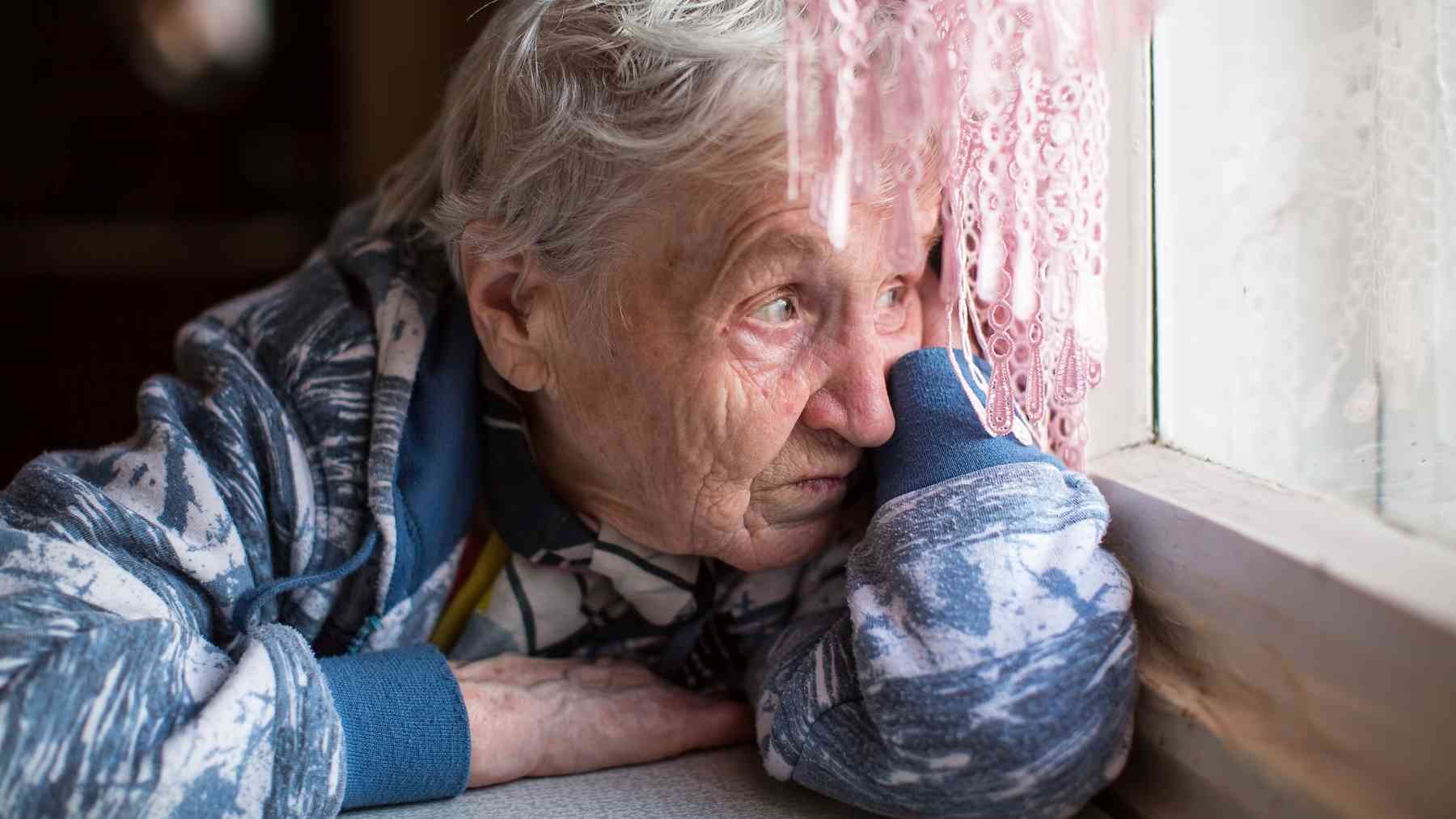
The most painful part of reaching older age without close friends is that it often does not feel like a choice at the time. It looks ordinary. A job runs late, a move makes old plans harder, family life fills the weekend, and the friend who once knew everything gets one more delayed reply.
That slow drift matters more than many people realize. Health officials now treat loneliness and social isolation as serious public health risks, not just sad chapters in someone’s personal life. The CDC says about 1 in 3 U.S. adults report feeling lonely, while about 1 in 4 say they do not have enough social and emotional support.
Friendship fades quietly
People often imagine an older adult without close friends as someone who chose solitude. Sometimes that is true, but for the most part, the story is less dramatic.
Friendships usually do not collapse in one argument. They thin out through small moments, like missed calls, postponed dinners, and texts answered three weeks too late. No one slams a door. The door just stops opening.
That is what makes it so easy to miss. Work has deadlines. Kids have needs. Bills arrive on time. Friendship, on the other hand, rarely sends a warning notice.
The health risk is real
Loneliness is not the same thing as being alone. The CDC describes social isolation as having few relationships or little contact with others, while loneliness is the feeling of being disconnected or lacking meaningful closeness. A person can be surrounded by people and still feel deeply lonely.
The U.S. Surgeon General’s advisory warns that poor social connection is linked with a higher risk of heart disease, stroke, anxiety, depression, dementia, and premature death. It also notes that lacking social connection can raise premature death risk in a way comparable to smoking up to 15 cigarettes a day.
Those numbers are not meant to scare people into collecting contacts like trophies. They point to something simpler. The body notices when a person has no one to lean on.
Why midlife is the danger zone
The strange thing is that many people do not become friendless in old age. They become friendless in midlife, then only notice it later.
In practical terms, that means the damage often happens during the busiest decades. A person in their 40s or 50s may be caring for children, helping aging parents, chasing financial stability, or trying to keep a job that seems to demand more every year.
Who has time for a casual Tuesday phone call then? That is the trap. The years when friendship feels least urgent are often the years when it needs the most maintenance.
Older adults are especially vulnerable
The National Academies of Sciences, Engineering, and Medicine has described social isolation and loneliness in older adults as serious but underappreciated public health risks. Its report notes that about one-quarter of community-dwelling Americans ages 65 and older are considered socially isolated.
The reasons are not hard to see. Retirement changes daily routines. Friends move away or die. Health problems can make driving, hearing, walking, or showing up to events more difficult.
Then there is the quiet house. Not always an empty house, but one where the old rhythm of calls, visits, and shared memories has gone missing.
Close friends protect memory and identity
A close friend is not just someone to grab coffee with. A close friend can be a witness to the earlier versions of your life.
They remember the apartment before the mortgage, the job before the title, the breakup before the marriage, and the person you were before your daily routine hardened around you. That kind of memory matters because it helps people feel continuous, not just useful.
Research from the long-running Harvard Study of Adult Development has repeatedly emphasized the role of close relationships in healthy and happier aging. Harvard has described the study as showing that embracing community helps people live longer and feel happier.
The calendar has to change
The uncomfortable truth is that friendship needs time before it feels urgent. Waiting until retirement to rebuild a close circle may be much harder than keeping one alive along the way.
That does not mean every old friendship can or should be revived. Some relationships fade for good reasons. But many disappear simply because no one protected the space for them.
A realistic plan can be small. Call one friend every week. Put dinner on the calendar before the month fills up. Drive the hour sometimes, even when the couch looks better.
Treat friendship like preventive care
People are used to hearing advice about exercise, sleep, hydration, and healthy eating. Friendship belongs in that same conversation, especially for aging well.
It may not look like wellness in the usual way. There is no step counter for being known by another person. There is no lab result that captures the relief of telling the truth to someone who remembers your whole story.
Still, the pattern is clear. Strong social connection supports mental health, physical health, and resilience, while chronic disconnection can make aging harder than it needs to be.
The official advisory was published on HHS.gov.