White tea is getting attention in the skin-care world for a reason that sounds almost too simple. The pale, delicate drink contains plant compounds that may help defend collagen, the structural protein that keeps skin firm, elastic, and less prone to sagging.
The key word is “help.” White tea does not work like a filler, a prescription retinoid, or a clinic procedure. But research suggests its antioxidants may slow some of the enzyme activity linked to collagen and elastin breakdown, which is why this old drink has become part of the anti-wrinkle tea conversation.
Why collagen matters
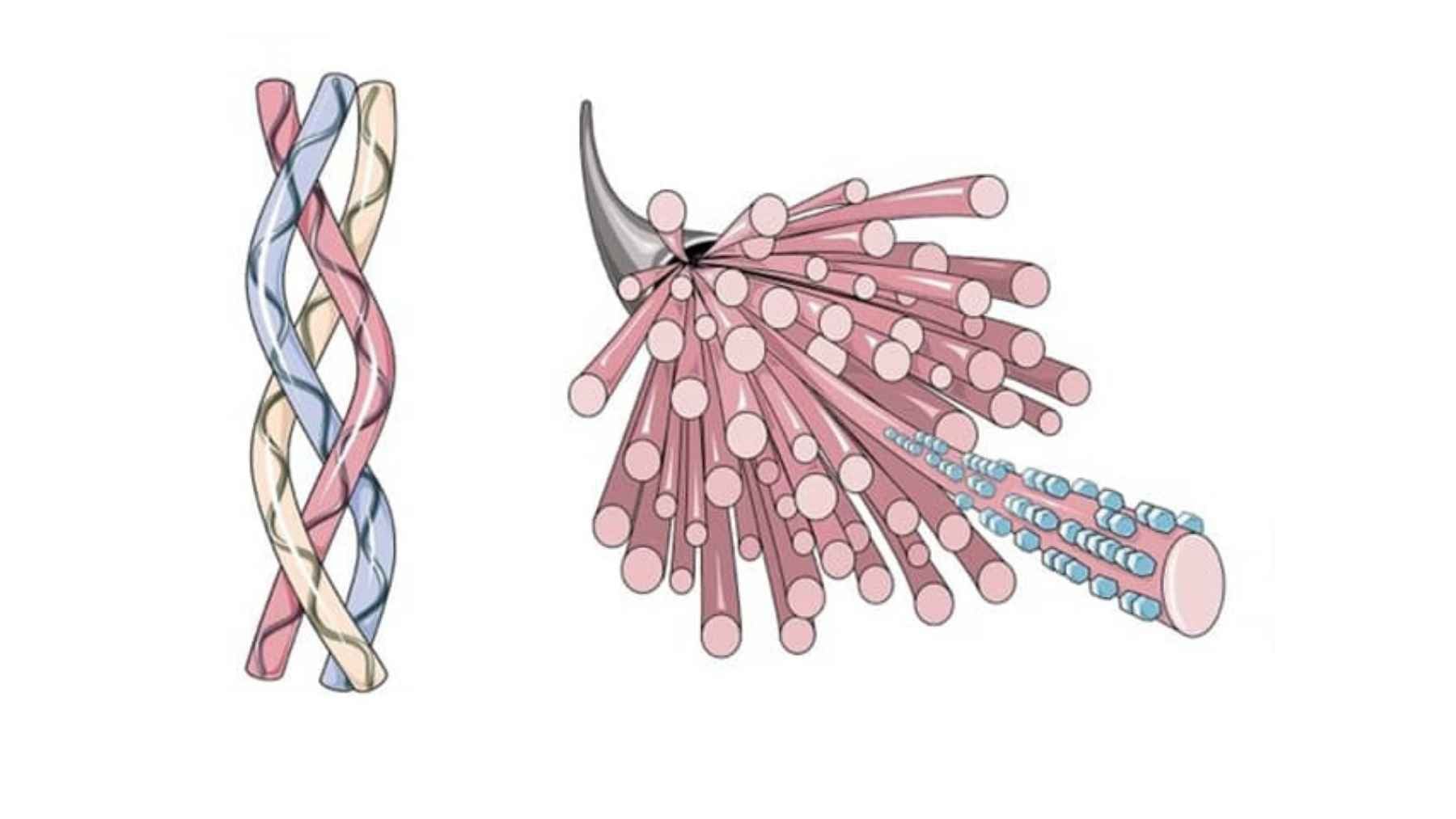
Collagen is the body’s scaffolding. It helps support skin, bones, muscles, tendons, and ligaments, and it makes up a large share of the skin’s dry weight.
That scaffolding changes with age. The body makes less collagen over time, and the collagen already in the skin breaks down faster, which can show up as wrinkles, sagging, and a thinner look in the mirror.
Why white tea stands out
White tea is made from young tea buds and tender leaves that are processed lightly compared with darker teas. That gentle handling helps preserve polyphenols, which are plant compounds known for antioxidant activity.
The research that made white tea stand out tested 23 plant extracts from 21 plants.
Tamsyn S.A. Thring, Pauline Hili, and Declan P. Naughton, working with Kingston University and Neal’s Yard Remedies, reported that white tea had the strongest activity against elastase and collagenase, two enzymes that can break down elastic fibers and collagen.
In that lab test, white tea inhibited elastase by about 89 percent and collagenase by about 87 percent.
What the studies really show
A later animal study looked at water extracts from green, white, and black tea on skin damaged by ultraviolet B light. The mice treated with tea extracts showed better moisture, less water loss, fewer wrinkles, and higher collagen and elastic fiber content than untreated photoaged skin.
Still, mice are not people. That matters. The findings suggest a possible skin-protective effect, but they do not prove that drinking white tea will erase wrinkles or replace proven skin-care steps.
How to prepare it
In practical terms, white tea is easy to add to a routine. Use about one teaspoon of loose leaves for an 8-ounce cup, pour water heated to roughly 175 to 185 degrees Fahrenheit, and steep for two to three minutes.
Boiling water can make the cup taste bitter, and it may be too harsh for the delicate leaves. A lighter brew is often the point here. No complicated ritual needed.
Other teas in the picture
White tea is not the only tea being studied. Black tea, green tea, and other forms of tea come from the same plant, but processing changes the mix of compounds in the final cup.
In the animal study, white and black tea extracts performed better than green tea for wrinkle improvement.
On the other hand, clinical reviews have found more human support for oral green tea preparations helping protect against ultraviolet-related skin damage than for tea drinks acting as direct wrinkle treatments.
The bigger skin-care lesson
Here is the part that is less glamorous but more important. If collagen is the goal, sunscreen still does the heavy lifting, especially during that sticky summer heat we all know.
The American Academy of Dermatology recommends broad-spectrum, water-resistant sunscreen with SPF 30 or higher, along with shade, protective clothing, and avoiding tanning beds. UVA rays are linked to premature aging, including wrinkles and age spots.
Food matters too. The body needs amino acids from protein foods, plus nutrients such as vitamin C, to build and maintain collagen. Tea can fit into that pattern, but it should sit beside a balanced diet, not take its place.
A useful habit, not a miracle
So, should white tea be called an anti-wrinkle tea? To a large extent, that depends on how carefully the phrase is used. The evidence points to collagen protection in lab and animal models, not a guaranteed transformation in human skin.
For someone who already likes tea, white tea is a simple, low-effort habit that may support a broader skin-care routine. For everyone else, the bigger message is clear. Protect the collagen you already have.
The main study has been published in BMC Complementary and Alternative Medicine.