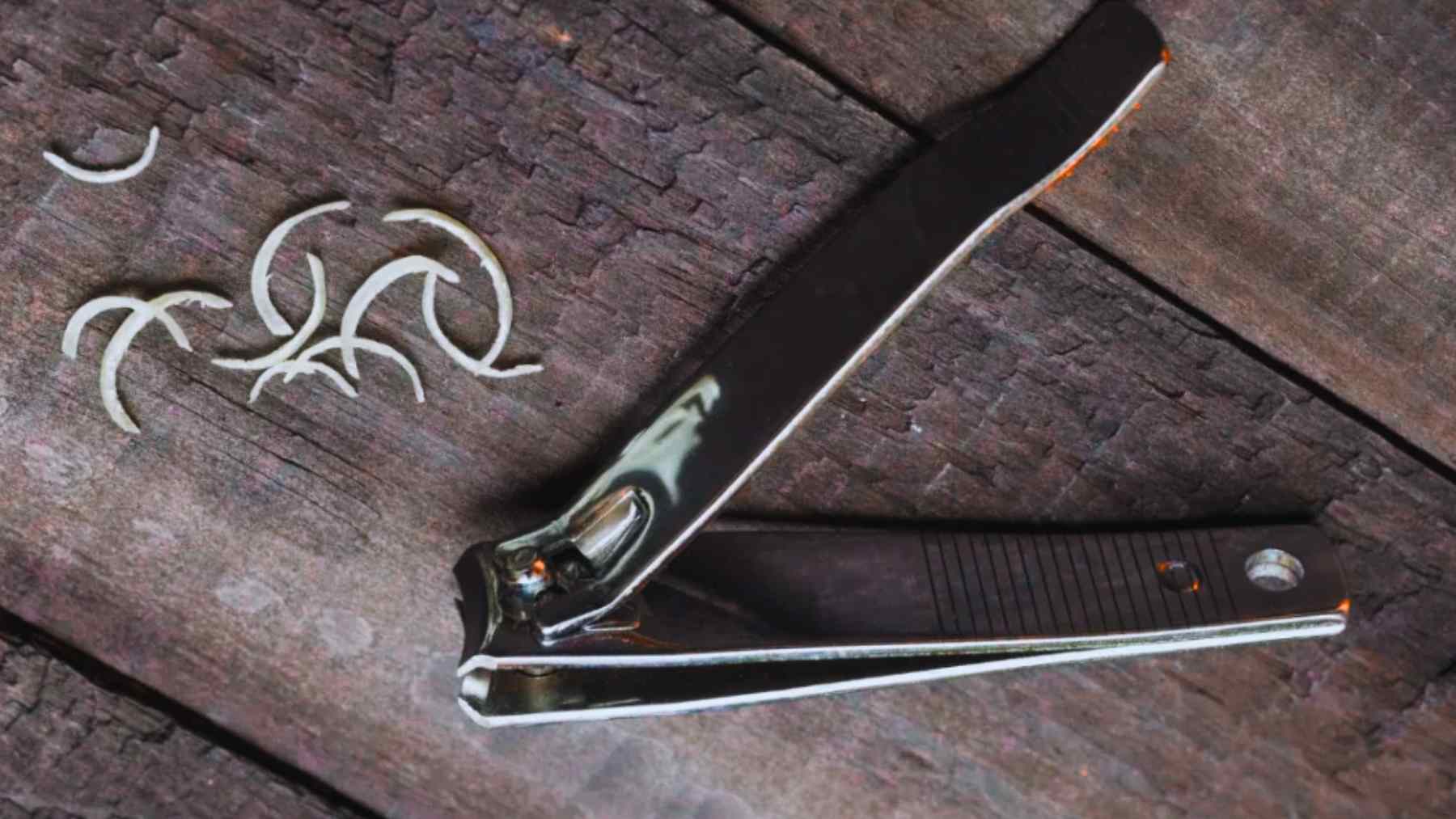
Most of us do not give nail clippers a second thought. They sit in a bathroom drawer, next to cotton swabs, old lip balm, and all the tiny things we swear we will organize someday.
But that small round hole at the end of many clippers is not just a quirky design choice. A Thai lifestyle report published on May 8, 2026, highlighted how it can help with storage, grip, and even small household fixes, but for health-minded readers the biggest takeaway is simpler. It can make clean nail care easier to keep up with.
A small detail with a real job
The hole is usually positioned at the end of the handle on many metal nail clippers. For many people, its most obvious use is as a place to thread a key ring, cord, or small chain.
That may sound like a basic convenience feature, and it is. But convenience matters when the item is small enough to vanish into a drawer right when you need it.
Why storage affects hygiene
The Centers for Disease Control and Prevention says dirt and germs can live under fingernails, and that keeping nails short and clean can help prevent some infections. The agency also advises cleaning nail grooming tools, including nail clippers and files, before use.
So, where does the tiny hole come in? A clipper that can be hung up or attached to a personal kit is less likely to sit loose in bathroom clutter, where it can collect dust, old nail pieces, or moisture from that steamy post-shower air we all know.
It is not a substitute for cleaning
The hole can make storage easier, but it does not disinfect anything. This is the point that often gets missed when a household hack starts making the rounds online.
The American Academy of Dermatology Association advises removing clippings, washing clippers with warm water and soap, and then disinfecting them. For people without a nail infection, wart, or similar problem, the AAD says 70% rubbing alcohol can be used, with a 5-minute soak if soaking is chosen.
If nail fungus, a wart, or another infection is present, the advice changes. The AAD recommends a bleach and water solution made with 1 cup of water and 1 tablespoon of bleach, followed by a 5-minute soak and complete air-drying before storage.
Better cuts start with better control
The original Thai report also describes the hole as part of a functional design that may help with balance and control on some clippers. That kind of claim can vary by model, so it is wise not to oversell it.
What does not vary is the health value of controlled trimming. A shaky cut can leave sharp corners that snag socks, scratch skin, or tempt people to tear the nail instead of clipping it cleanly.
Dermatologists recommend trimming nails after a bath or shower because the nails are softer then. The AAD also advises cutting toenails straight across to reduce the chance of an ingrown nail, and smoothing rough edges with a file.
The wire trick needs caution
The report also points to a less expected use. In a pinch, the small hole may help bend a thin piece of wire by acting as a pivot point.
That might be handy when pliers are nowhere to be found, but common sense matters here. If your nail clipper touches wire, dust, grease, or anything from a toolbox, clean it well before it goes near your hands or feet again.
A personal care tool should not become a workshop tool without a reset. Simple enough.
Travel makes it useful
Anyone who has dug through a toiletry bag in a hotel bathroom knows the feeling. You need one tiny item, and suddenly you are unpacking toothpaste, razors, bandages, and half the medicine cabinet.
A clipper with a key ring or cord is easier to spot and harder to lose. It can also help every family member recognize their own tool, which matters because the AAD warns against sharing nail-grooming tools such as clippers.
That advice is not just for salons or gyms. In a shared bathroom at home, separate tools can lower the chance of passing along fungi or other germs from one person to another.
Do not ignore warning signs
Clean tools can help, but they do not guarantee perfect nail health. The CDC says nail infections may show up as swelling around the nail, pain, or thickening of the nail, and some cases may need care from a physician.
The AAD also tells people to watch for thickening, splitting, discoloration, or lifting of the nail, especially when nail fungus is a concern. If those signs appear, it is better to get checked than to keep trimming and hoping it goes away.
Cuticles deserve caution too. The CDC advises not cutting them because they act as barriers that help prevent infection, which is one more reason to keep grooming simple and gentle.
A tiny reminder of a bigger habit
At the end of the day, the small hole in a nail clipper does not turn it into a medical device. It is still just a household tool, small enough to fit in a pocket and ordinary enough to be ignored.
But that may be the point. Healthy habits often start with small changes, like hanging a clipper where it can dry, keeping one for each person, washing it before use, and disinfecting it after.
The tiny hole is not magic. It is a reminder that even the most ordinary tools in the bathroom deserve a little more attention.
The dermatology guidance cited in this article was published on the American Academy of Dermatology Association.