The old line attributed to Heraclitus of Ephesus, “No one can step into the same river twice,” has lasted for more than 2,500 years because it says something simple and unsettling. The river changes, and so do we. That idea appears at the center of the source material used here.
At first, it sounds like a clever phrase about water. Look closer, though, and it becomes a sharp way to think about growing up, changing jobs, losing people, returning home, and trying to make sense of a world that refuses to stand still. Maybe that is why an ancient thought still feels oddly current.
The philosopher of change
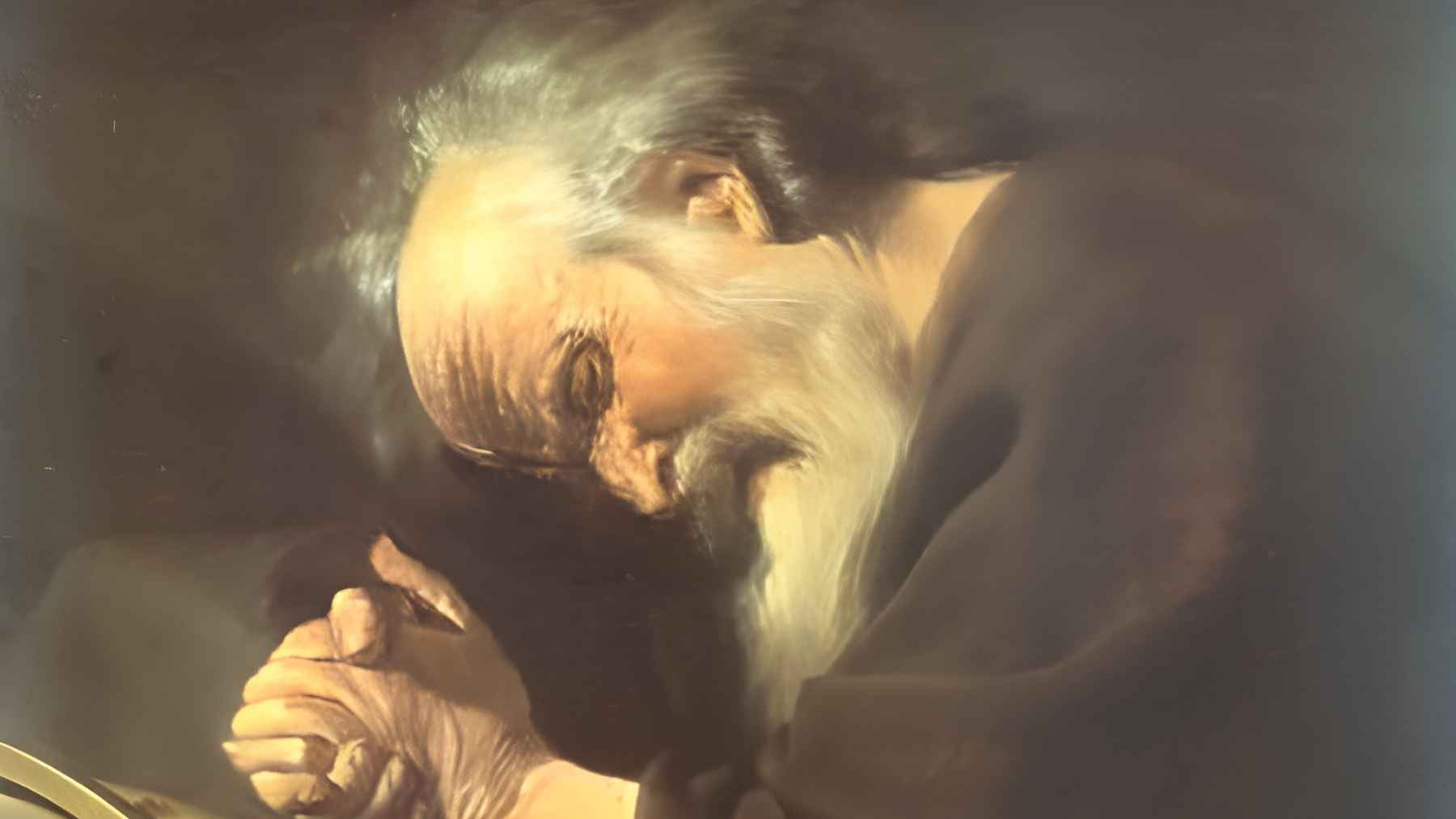
Heraclitus was a pre-Socratic Greek philosopher from Ephesus, an ancient city in what is now Turkey. Encyclopaedia Britannica places his life roughly between 540 BCE and 480 BCE, and notes that his apparent book is lost, leaving his ideas to survive through fragments quoted by later writers.
That matters because the famous river line is best understood as an ancient idea passed down through layers of interpretation. It is not a modern quote from an interview or a clean sentence from a complete book. Still, the meaning has remained powerful.
What the river means
The river image is easy to understand because everyone has watched water move. A river may keep its name, its banks, and its general direction, but its waters are always passing by. What looked still for a moment was never truly still.
Stanford Encyclopedia of Philosophy explains that one surviving river fragment says different waters flow for those stepping into the same rivers. In plain language, a river stays recognizable precisely because its water keeps moving.
That is the quiet twist–change is not only something that destroys identity. Sometimes it is what allows a thing to remain alive, active, and real.
We change, too
The strongest part of the metaphor is not only the river, but the person stepping into it. The same place can feel different because the person returning to it is different.
Think about walking through a childhood neighborhood after many years away. The streets may still be there, and the corner store may still have the same sign, but your memories, worries, and expectations have moved on. You are not meeting the past, you are meeting the present, carrying the past with you.
That is why exact repetition is impossible. Even when a scene looks familiar, the experience has shifted.
Why the idea still works
Daily life proves the point without needing a philosophy class. Friendships change. Families change. The music people love, the slang they use, and the way they spend a Friday night all move with time.
Work shows it, too. A company can keep the same logo and office address while its tools, teams, and expectations turn into something else entirely. Walk back into the same job after ten years, and the coffee machine may be familiar, but the rhythm of the place will not be.
Technology makes this even clearer. Apps, skills, and habits that once felt essential can become old news before people have fully adjusted. The trouble is, the current keeps moving.
A world of flowing systems
The river metaphor also speaks to nature in a very literal way. Real rivers change course, rise during floods, shrink during droughts, and respond to what people build around them. They are living systems, not blue lines on a map.
That can make the ancient phrase feel surprisingly modern. In an age of climate pressure, shifting cities, and fast-moving information, the idea that stability depends on motion is not just poetic, it is practical.
The Internet Encyclopedia of Philosophy notes that Heraclitus is often linked to flux, but also warns that his view was more subtle than the simple claim that everything changes in a chaotic way. For the most part, his thought points to patterns of transformation, not random disorder.
Letting go of perfect repetition
People often want life to return to a familiar shape. We revisit old places, restart old projects, or reconnect with someone from the past hoping to find what we once knew. Sometimes we do find comfort, but it is never a perfect replay.
That does not have to be bad news. It can also mean people are not trapped by who they used to be. A mistake, a loss, or a difficult season does not freeze a person forever.
At the end of the day, Heraclitus’ river is not telling us to stop planning. It is reminding us that plans need room to bend.
The lesson today
The central lesson is simple enough for a teenager to understand and deep enough to trouble adults. Nothing remains exactly the same, not the world, not the people around us, and not the person looking back in the mirror.
So what do we do with that? We pay attention. We adjust. We stop expecting life to behave like a paused video and start treating it more like a river, moving, changing, and still somehow recognizable.
The main reference work behind this article has been published by the Stanford Encyclopedia of Philosophy.