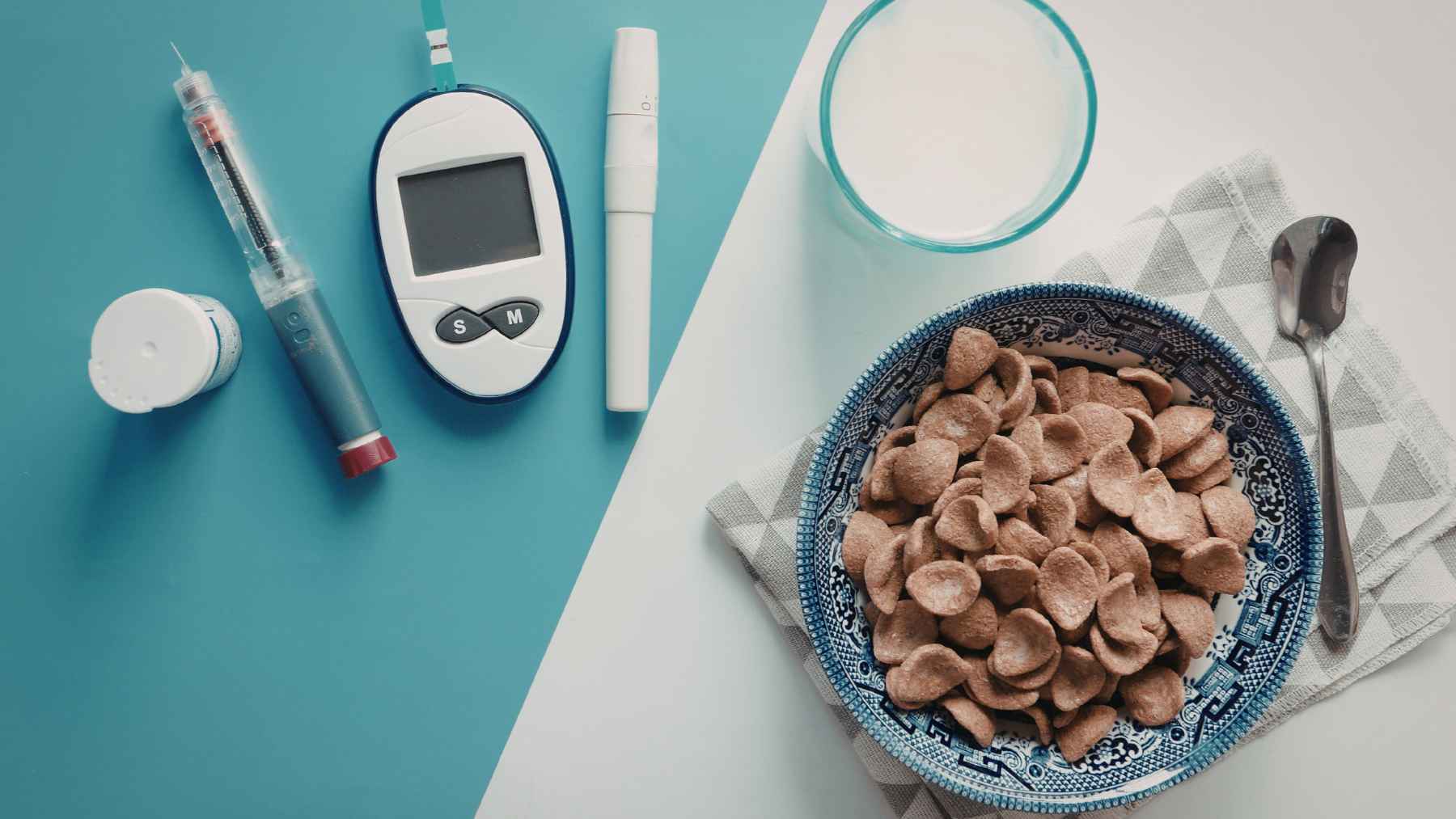
Blood sugar is not only a concern for people with diabetes. Glucose is one of the body’s main fuels, but sharp changes can affect energy and make the day feel like a cycle of brief highs followed by sudden slumps. Small changes at the table and after a meal can make a measurable difference.
Family physician and microbiota educator Sara Marín has highlighted five simple habits aimed at slowing the arrival of glucose into the bloodstream and helping muscles use it more effectively.
Her approach centers on food order, soluble fiber, protein at breakfast, walking after meals, and regular strength training, but it should be viewed as support rather than a substitute for treatment.
The National Institute of Diabetes and Digestive and Kidney Diseases notes that many people with type-2 diabetes still need medication and everyone with type-1 diabetes requires insulin.
Eat vegetables first
Marín’s first recommendation is to begin a meal with vegetables, continue with protein, and leave carbohydrate-rich foods until the end. As she puts it, “The order of the meal does change the result,” while protein and fiber act “like a brake for glucose.”
The idea has some experimental support. In a randomized crossover trial led by Lijuan Sun at the Singapore Institute for Clinical Sciences, 16 healthy adults had a smaller overall glucose response when they ate vegetables before meat and rice than when they started with rice.
Still, meal order is one tool, not a free pass to ignore portions or food quality.

Make soluble fiber routine
Soluble fiber is the kind that mixes with water and forms a gel-like material in the digestive tract. That can slow digestion and delay how quickly sugar is absorbed, which is why Marín recommends including it regularly throughout the day.
Beans, fruit, and oat products are common food sources.
A review led by Yajuan Xie at Huazhong University of Science and Technology combined 29 randomized trials involving 1,517 adults with type-2 diabetes and found that soluble fiber supplements lowered the long-term blood sugar measure known as A1C by about six-tenths of a percentage point and fasting glucose by roughly 16 mg/dL.
The results varied across studies, so food and fiber supplements should not be treated as interchangeable cures.
Put protein into breakfast
The third habit is to make breakfast less dependent on refined carbohydrates and ultraprocessed foods. Protein takes longer to digest than many sugary breakfast choices and may improve fullness, making it easier to avoid the familiar midmorning crash and snack hunt.
Research does not point to one perfect breakfast for everyone, but controlled studies suggest that a higher-protein morning meal can reduce the glucose rise after breakfast and may also influence later meals.
The aim is balance rather than turning breakfast into an oversized plate of meat or relying on a protein powder.
Walk after eating
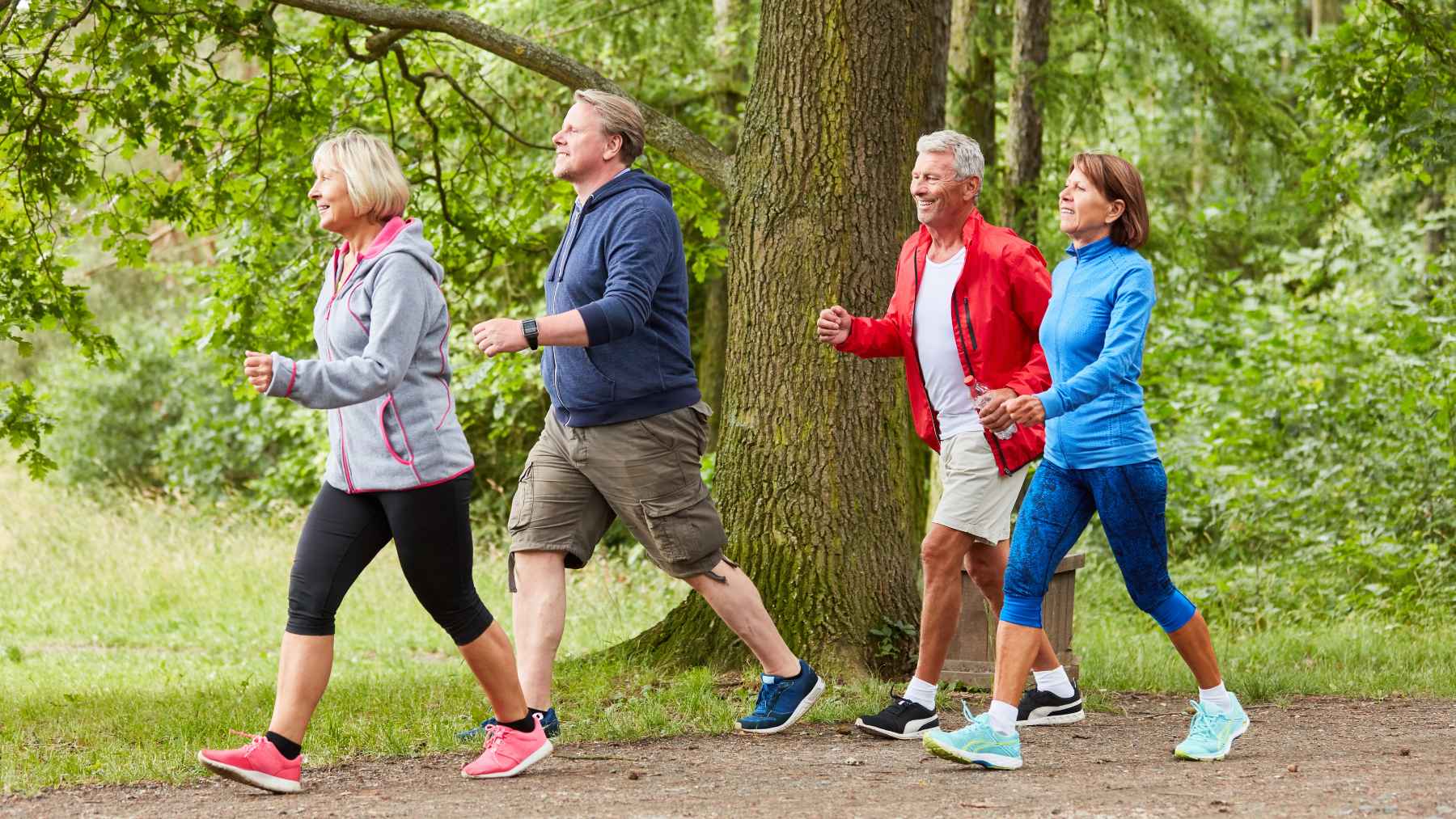
Marín recommends walking for at least 15 minutes after a meal. The reason is straightforward. Working muscles need energy, so even low-intensity movement gives the body an immediate place to send some of the glucose entering the blood.
A University of Otago trial led by Andrew Reynolds followed 41 adults with type-2 diabetes. Walking for 10 minutes after each main meal produced better post-meal glucose control than completing one 30-minute walk at another time of day, with the strongest improvement after dinner.

That makes a short walk around the block more than a way to clear your head.
Build muscle over time
The final recommendation is regular strength training. Muscle can take up glucose for energy and store part of it for later use, so maintaining more active muscle tissue can improve the body’s capacity to handle glucose.
This does not require bodybuilding or a crowded gym. The National Institute of Diabetes and Digestive and Kidney Diseases recommends muscle-strengthening activity on two days each week, alongside about 150 minutes of moderate exercise, while research has found that strength training can increase insulin-mediated glucose uptake in people with type-2 diabetes.
Helpful habits, not a replacement for care
Taken together, these habits create a simple pattern. Start with fiber-rich foods, include protein, save most carbohydrates for later in the meal, move afterward, and train the muscles regularly. The changes are modest, but that may be exactly why people can repeat them.
Anyone taking insulin or medicines that can cause low blood sugar should discuss changes in meal timing or exercise with a health professional. Physical activity can lower glucose for hours, and medication doses may need to be considered as part of a personal care plan.
The guidance was published by Sara Marín in an Instagram video.