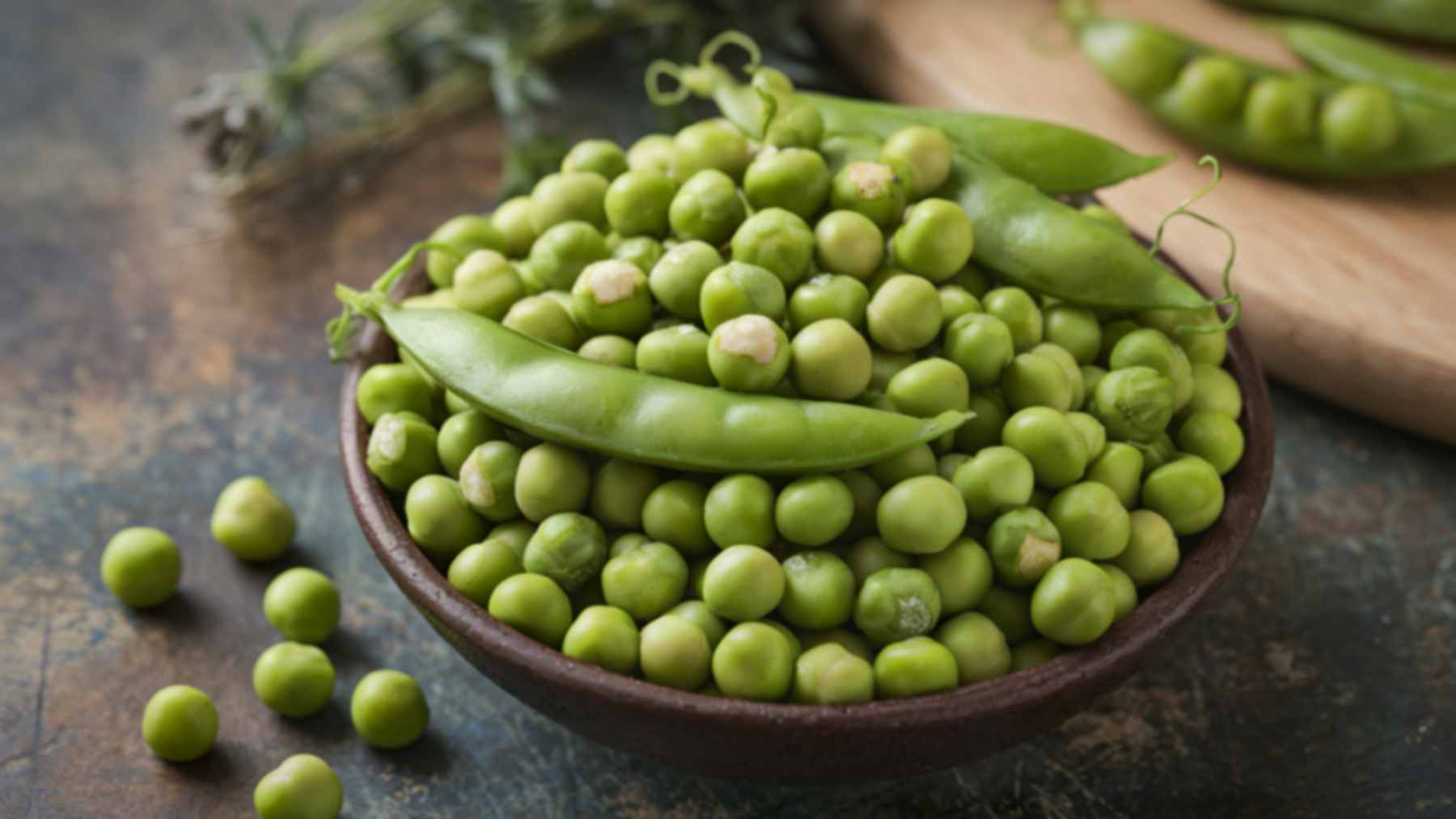
Peas do not usually get the spotlight. They are the quiet green side dish on a dinner plate, the freezer bag you forget about, or the vegetable a child pushes around with a fork.
But this everyday food has more going on than it gets credit for. Peas are affordable, easy to cook, and packed with a useful mix of plant protein, fiber, iron, and other nutrients that can support a healthy diet when eaten regularly.
Peas bring plant protein
Protein helps the body maintain muscle, repair tissue, support immunity, and feel full after meals. Peas are not as protein-rich as lentils, chickpeas, eggs, or chicken, but they still beat many common vegetables.
A half-cup serving of cooked frozen green peas, about 2.8 ounces, contains 62 calories, 4 grams of protein, 4 grams of fiber, and no saturated fat, according to USDA Foods data sourced from USDA FoodData Central.
That makes peas a simple way to add a little more protein to pasta, rice, soup, or a weeknight casserole.
There is one catch. Pea protein is useful, but whole peas should not be treated as the only protein source in a diet.
Research on field peas has found that they are relatively low in sulfur-containing amino acids, especially methionine and cysteine, so pairing them with grains, dairy, eggs, meat, or other legumes still makes sense.
Fiber helps the gut
Fiber is one of those nutrients most people know they need, yet many still do not get enough. The Food and Drug Administration lists 28 grams as the Daily Value for dietary fiber on a 2,000-calorie diet.
Peas can help close that gap without making meals feel like a health project. Their fiber includes insoluble fiber, which helps food move through the digestive system, and soluble fiber, which forms a gel-like substance and can help slow digestion.
Why does that matter after lunch? Slower digestion can help steady blood sugar swings and support a longer feeling of fullness. In practical terms, a scoop of peas in rice or noodles may do more than add color.
Iron and plant compounds matter
Iron is needed to make hemoglobin, the blood protein that carries oxygen through the body. The World Health Organization says iron deficiency is the most common nutritional deficiency leading to anemia, which can cause fatigue, weakness, and other health problems.
Peas are not a magic fix for low iron. Still, they contain more iron than many everyday vegetables, and they can make a modest contribution when eaten as part of a varied diet.
Peas also contain polyphenols, including flavonoids. These are plant compounds studied for antioxidant and anti-inflammatory effects, which means they may help protect cells from everyday stress in the body.
That does not turn peas into medicine, but it does make them more interesting than their plain reputation suggests.
They are budget friendly
Healthy eating can sound expensive. Anyone who has watched a grocery bill climb knows that good intentions often meet real-world prices at checkout.
That is where frozen peas have an advantage. A price range cited in the original UK brief, converted using the June 1, 2026 British pound exchange rate, works out to roughly 60 to 90 cents per pound, though actual U.S. store prices vary. Reuters reported that the British pound was trading near $1.35 that day.
Frozen peas also create little waste. You can pour out what you need, close the bag, and put the rest back for another meal. That is a small thing, but in a busy kitchen it matters.
Frozen peas hold up well
Fresh vegetables are great, but they are not always used in time. A bag of spinach can wilt in the fridge before anyone gets around to making dinner.
Frozen vegetables are usually picked at a good stage of ripeness and frozen quickly.
A two-year study led by Linshan Li in the Journal of Food Composition and Analysis compared fresh, frozen, and refrigerated produce and found that frozen options often held their nutrients as well as, or sometimes better than, fresh produce stored for several days.
For peas, that means the freezer aisle is not a nutritional downgrade. It may be the easiest route to eating them more often, especially on nights when dinner has to happen fast.
Easy ways to eat more peas
Adding more peas does not require a new diet plan. Toss them into pasta during the last few minutes of cooking, stir them into fried rice, blend them into soup, or mix them into curry.
They can also work in pesto, mashed into a spread, or added to stews with beans and potatoes. For kids, peas may be easier to accept than bitter greens because they are soft and slightly sweet.
At the end of the day, peas are not trying to replace every other vegetable. They are simply a cheap, practical food that brings more protein, fiber, and nutrients to meals with almost no extra effort.
The main nutrition data used for this article has been published by USDA FoodData Central.