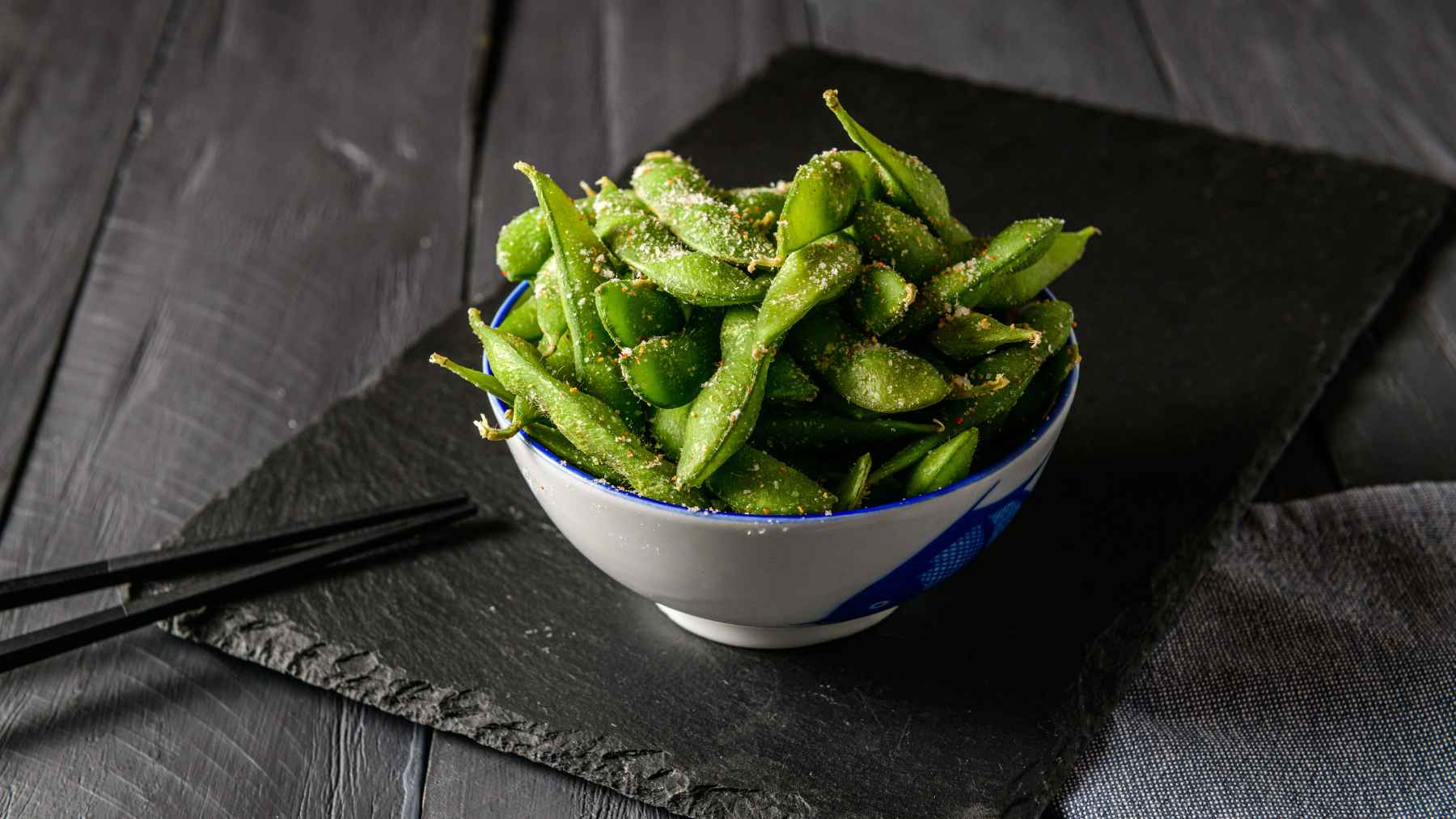
Those midday hunger pangs can have many reaching for chips, cookies, or whatever is closest. A preventive cardiologist and a heart-focused dietitian say a small bowl of edamame may be the wiser choice, thanks to its combination of plant protein, fiber, and ease of preparation.
The advice is not a promise that one snack can prevent heart disease; its real strength lies elsewhere. Edamame can replace foods that are higher in saturated fat, sodium, or refined sugar while getting people comfortably from one meal to the next.
Why edamame stands out
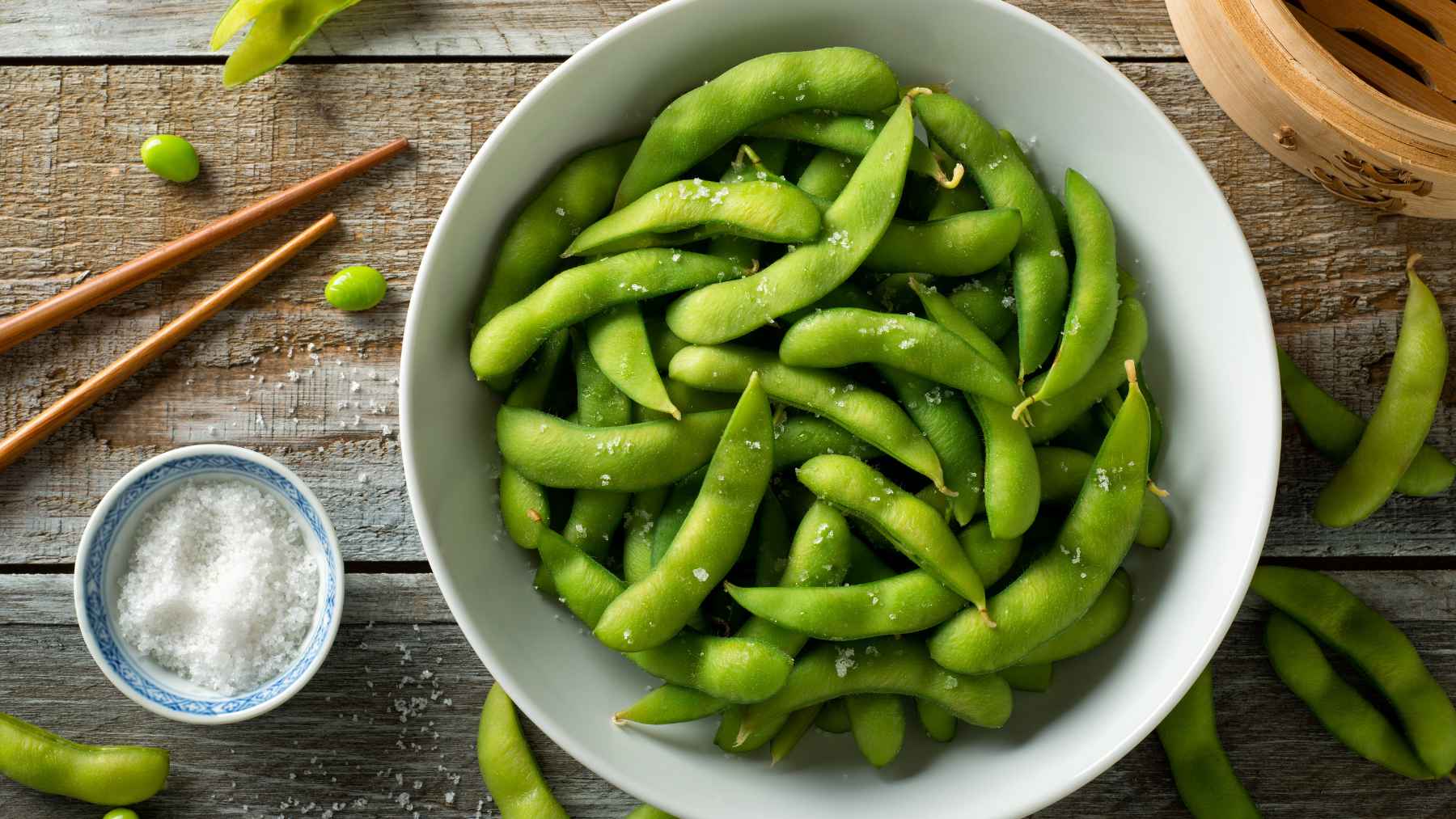
Edamame are basically young soybeans, usually sold frozen either in their pods or already shelled. Tracy Paeschke, a board-certified preventive cardiologist at Heart Health Prevention and Wellness, calls it her top heart-healthy snack. “Buy a bag of frozen edamame, steam it in the microwave, and serve,” she said.
A roughly 3.5-oz. serving of cooked edamame provides about 11.5 grams of protein and 5 grams of fiber, according to nutrition figures provided by the U.S. Department of Agriculture.
That is a quality combination for staying satisfied between meals, which is why the experts favor snacks containing both protein and fiber.
The convenience is there, too. Frozen edamame can move from freezer to bowl in minutes, with no chopping and little cleanup. The freezer competes with the pantry on speed, not just nutrition.
Plant protein changes the picture
Plant protein is found in foods such as beans, lentils, nuts, seeds, tofu, and soybeans. Unlike many processed meats and full-fat dairy snacks, these foods often supply fiber and unsaturated fats while containing little saturated fat.
That difference can matter for cholesterol levels and long-term cardiovascular risk.
A study led by Andrea Glenn at Harvard T.H. Chan School of Public Health followed nearly 203,000 adults for about 30 years. Subjects with the highest ratio of plant to animal protein had a 19% lower risk of cardiovascular disease and a 27% lower risk of coronary heart disease than those with the lowest ratio.
The research, published in The American Journal of Clinical Nutrition, found an association, not definitive proof, that plant protein alone lowered the risk.
So how does this translate to snack time? The biggest benefit may come from the swap, with a ‘double-whammy’ effect: eliminating bad choices while including a better one.
Choosing edamame instead of processed meat, cheese-heavy crackers, or a salty fried snack can shift the overall diet onto a more heart-friendly path.
Fiber is part of the advantage
Protein gets a lot of attention, but fiber may be just as important. Fiber makes people feel full, and certain forms of soluble fiber can help reduce the amount of cholesterol absorbed in the digestive tract. Beans and legumes are among the foods commonly recommended in cholesterol-conscious eating habits.
That does not mean a handful of soybeans will erase a high cholesterol reading. A person’s overall eating pattern and medical risk factors still play a part, and some people may need treatment prescribed by a clinician. The snack is one step in the right direction.
The American Heart Association recommends choosing protein mostly from plant sources and favoring whole or minimally processed foods. It also advises shoppers to compare labels and look for less sodium, if there is any added sugar, and saturated fat.
That must be kept in mind when edamame comes roasted, flavored, or heavily salted.
Roasted chickpeas are a strong backup
Not everyone likes soy. Michelle Routhenstein, a cardiology dietitian at Entirely Nourished, points to roasted chickpeas as another easy option. They deliver plant protein and fiber along with minerals such as potassium and magnesium.
A 1-oz. serving of roasted chickpeas can provide about 5 grams of protein and 5 grams of fiber, although the exact amount varies by product. Their crunchy texture can also make them an easier replacement for chips when someone craves that familiar salty bite.
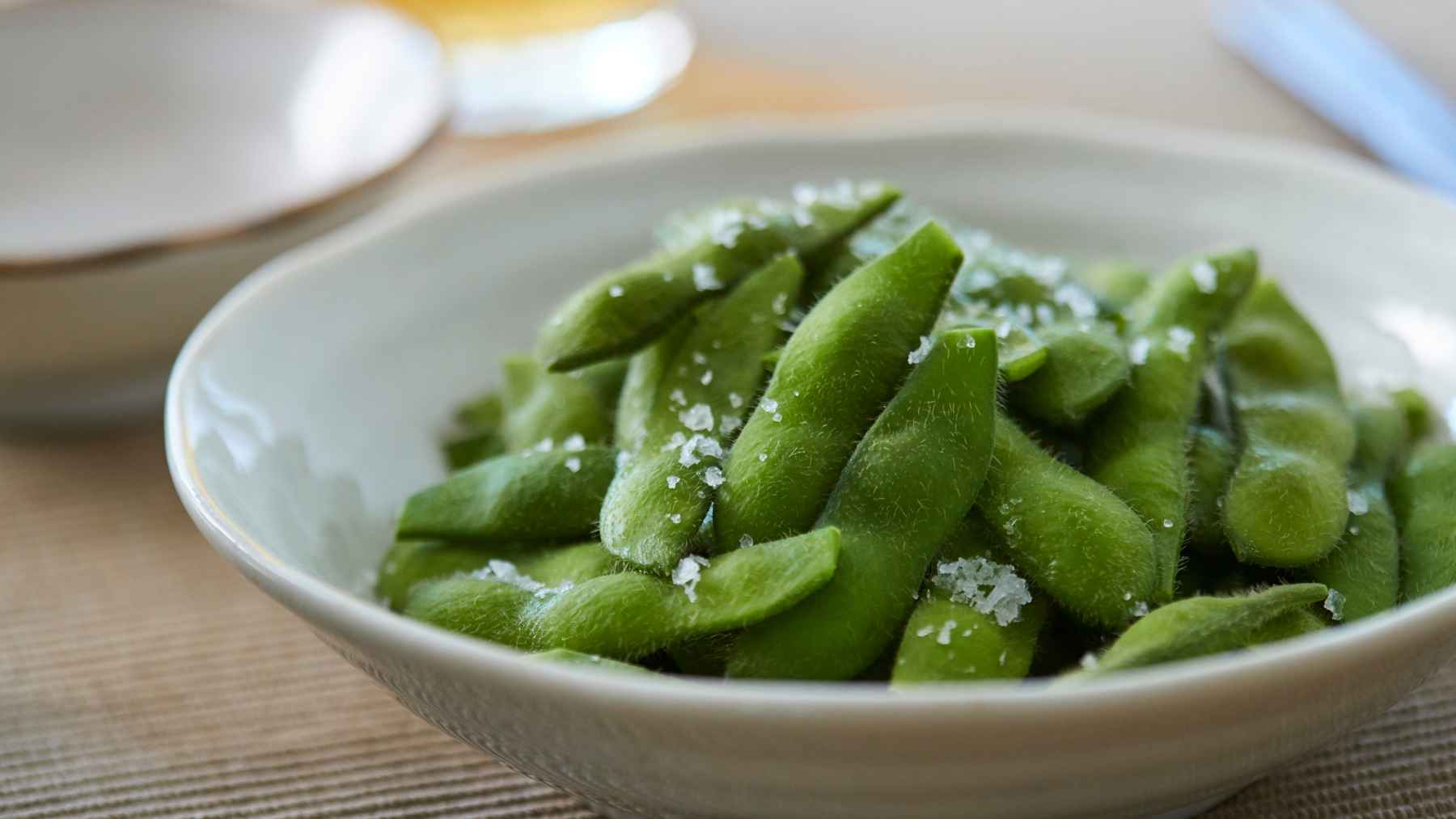
Be careful, because the label can change the story. Some packaged chickpea or edamame snacks contain a surprising amount of sodium, oil, or added seasoning. Unsalted or lightly salted versions usually line up with the heart-health goal more closely.
How to build a better snack
The basic formula is simple: look for a whole-food snack that offers both protein and fiber, then check that saturated fat, sodium, and refined sugar stay relatively low.
Edamame and roasted chickpeas fit that pattern, but unsalted nuts, hummus with vegetables, fruit with nut butter, and plain yogurt with berries can fit, too.
Portion and preparation still count. Steamed edamame with pepper, garlic, or a squeeze of lemon keeps added sodium low, while heavily salted restaurant servings may not. Roasted chickpeas can be made at home with modest oil and spices, giving people more control over what goes into the bowl.
At the end of the day, the winning feature is not a trendy ingredient or a perfect nutrition score; it is the ability to make a better choice easy enough for an ordinary busy afternoon.
The original expert report was published by Prevention.